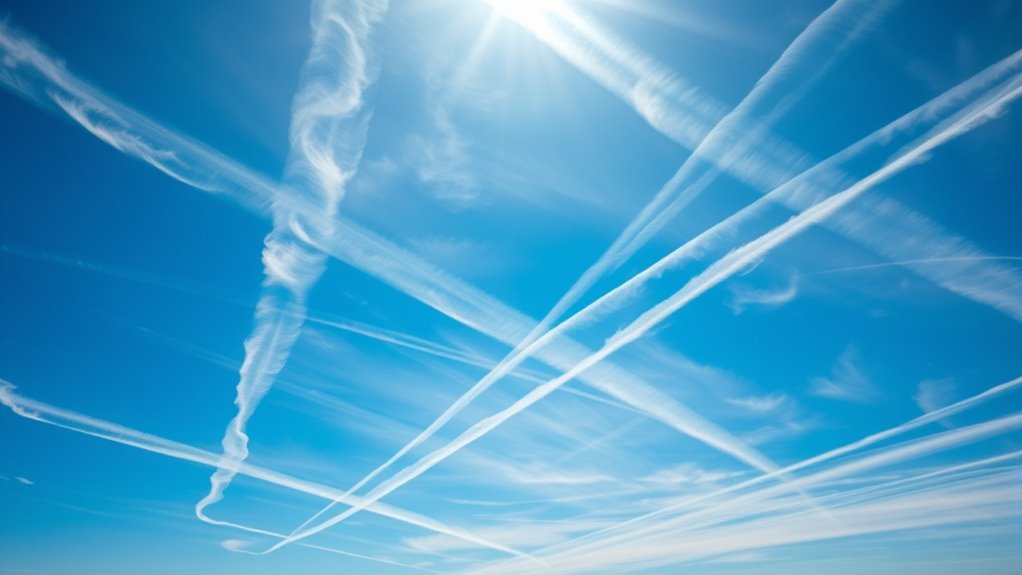
After service, your aircraft’s “Advanced Air” systems are designed to keep cabin air clean and safe by using sophisticated filters that remove dust, bacteria, and viruses. Many myths suggest cabin air is recycled or unsafe, but in reality, outside air refreshes every few minutes, and modern filters are highly effective. Proper maintenance, including filter checks and replacements, is key to ensuring these systems work well. To learn more about how these systems prioritize your safety, keep exploring.

Get home appliances delivered free — and shop member deals
- Fast, free delivery on millions of items
- Access to Prime Big Deal Days deals on October 6–7
- Prime Video, Amazon Music and more included
Key Takeaways
- Proper maintenance and filter replacements are essential for the effectiveness of advanced air systems post-service.
- Modern filters efficiently remove viruses, bacteria, and contaminants, debunking myths about ineffective cabin air.
- Cabin air is refreshed frequently with outside air, ensuring it’s safe and not recycled, countering misconceptions.
- Regular HVAC checks and high-quality filters are critical for maintaining optimal air quality after service.
- Advanced air systems operate alongside ventilation units to provide continuous, safe, and clean cabin air for passengers.
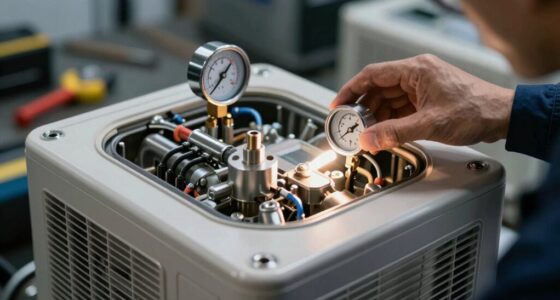
aircraft cabin air filtration system
As an affiliate, we earn on qualifying purchases.
As an affiliate, we earn on qualifying purchases.
Understanding What “Advanced Air” Systems Actually Are

Advanced air systems are specialized components installed in aircraft to improve cabin air quality, comfort, and safety. These systems use advanced air filtration techniques to remove dust, bacteria, and other contaminants, guaranteeing passengers breathe cleaner air. Proper system maintenance is vital to keep these components functioning efficiently, preventing potential air quality issues. Regular filter checks and replacements help maintain peak performance, reducing the risk of airborne pollutants lingering in the cabin. You should be aware that these systems are designed to operate seamlessly, often working alongside ventilation and heating units. Understanding the importance of air filtration and consistent maintenance ensures you experience safe, fresh, and comfortable cabin conditions during your flight. Recognizing the significance of air filtration can help passengers appreciate the effort involved in maintaining cabin air quality.
airplane HEPA filter replacement
As an affiliate, we earn on qualifying purchases.
As an affiliate, we earn on qualifying purchases.
Debunking Common Myths About Cabin Air Quality

Have you ever wondered if the air inside an airplane cabin is truly safe to breathe? Many myths surround cabin air quality, but facts tell a different story. Proper HVAC maintenance and advanced cabin filtration systems work together to keep the air clean. Here’s a quick myth-busting table:
| Myth | Fact |
|---|---|
| Cabin air is recycled, unsafe air | Most air is refreshed every 2-3 minutes with outside air |
| Air filters don’t work effectively | Modern filtration systems trap viruses and bacteria |
| Cabin air causes illness | Proper filtration minimizes airborne pathogens |
| Airlines ignore HVAC maintenance | Strict protocols ensure system efficiency |
| Cabin air quality is unregulated | Regulatory standards ensure safety |
Knowing this can ease concerns about cabin air safety. Additionally, the safety features of modern HVAC systems and filtration technology further enhance air quality on flights.
airline cabin air quality monitor
As an affiliate, we earn on qualifying purchases.
As an affiliate, we earn on qualifying purchases.
Practical Steps Passengers and Airlines Can Take to Ensure Safe Air

To guarantee the air you breathe onboard remains safe, both passengers and airlines can take practical, proactive steps. Airlines should prioritize regular HVAC maintenance to ensure the system functions effectively, preventing the buildup of contaminants. Proper air filtration is essential; high-quality filters help remove airborne pathogens and particles, improving overall air quality. Passengers can contribute by following airline instructions, such as using masks if needed and minimizing movement during the flight to reduce the spread of germs. Additionally, staying hydrated and practicing good hygiene support a healthier environment. Airlines that invest in advanced filtration systems and adhere to maintenance schedules demonstrate their commitment to passenger safety. Incorporating fabric decorating markers or similar tools for onboard or ground staff can also enhance communication and safety signage within the cabin. These simple measures, combined, markedly enhance the cleanliness and safety of cabin air.
As an affiliate, we earn on qualifying purchases.
Frequently Asked Questions
How Often Do Airlines Perform Maintenance on Air Circulation Systems?
Airlines typically perform maintenance on air circulation systems according to strict maintenance schedules aligned with air quality standards, often every few months or after a specific number of flight hours. You should trust that airlines prioritize regular checks to guarantee ideal air quality. These scheduled maintenance tasks help prevent issues, keep the air fresh, and comply with safety regulations, so you can feel confident in the overall cleanliness and safety of the cabin environment.
Can “Advanced Air” Systems Completely Eliminate All Airborne Pathogens?
Advanced air systems considerably reduce airborne pathogens but can’t completely eliminate all of them due to air filtration limitations. You should realize these systems improve air quality by filtering contaminants, yet some pathogens may still persist in tiny particles or aerosols. To stay safe, follow additional health measures like wearing masks and practicing good hygiene, as no system guarantees 100% removal of airborne pathogens.
Are There Specific Aircraft Models With Superior Air Filtration Technologies?
Yes, some aircraft models excel in air filtration technology innovations. When comparing aircraft models, you’ll find that newer jets often feature advanced HEPA filters and improved ventilation systems, providing superior air quality. For instance, certain Boeing and Airbus models incorporate cutting-edge filtration tech, enhancing passenger safety. By choosing aircraft with these innovations, you benefit from cleaner, fresher cabin air, making your flight experience safer and more comfortable.
How Does Cabin Pressure Influence the Presence of Air Bubbles or “Advanced Air”?
Think of cabin pressure as a tightrope walker balancing oxygen levels and pressure regulation. When pressure drops, tiny air bubbles, or “advanced air,” can form, much like bubbles in a shaken soda. Maintaining ideal cabin pressure keeps oxygen levels stable, preventing these bubbles from appearing. Proper pressure regulation ensures a smooth journey, reducing the chance of bubbles and ensuring your comfort and safety at 30,000 feet.
What Are Passengers’ Rights Regarding Cabin Air Quality and Safety Standards?
You have the right to expect safe, clean cabin air. If you experience passenger complaints about air quality, airlines are required to provide disclosures about their safety standards and air filtration systems. You can request information or file a complaint if you believe standards aren’t met. Airlines must address concerns and guarantee safety measures are transparent, so you’re informed and protected during your flight.
Conclusion
To guarantee your safety, stay informed, ask questions, and advocate for clean air. Trust the facts, challenge the myths, and take proactive steps. Because understanding the truth about advanced air systems means more than just knowing—it’s about knowing what to do, knowing what’s real, and knowing that your well-being depends on your awareness. Stay vigilant, stay informed, and prioritize your health every time you fly.
Fall yard work Picks
leaf blowers
As an affiliate, we earn on qualifying purchases.