
To resolve iron bacteria problems in your well water, start with thorough chlorination to kill the bacteria and break down biofilms. Regular flushing and cleaning of your system help remove slime and build-up. Consider advanced treatments like UV or ozone disinfection alongside filtration to reduce organic material and prevent regrowth. Monitoring water quality and maintaining your system guarantees ongoing protection. Keep in mind, knowing more about these solutions can help you effectively manage and prevent future issues.

Get home appliances delivered free — and shop member deals
- Fast, free delivery on millions of items
- Access to Prime Big Deal Days deals on October 6–7
- Prime Video, Amazon Music and more included
Key Takeaways
- Regular chlorination and flushing effectively kill iron bacteria and remove biofilms from well systems.
- Implement advanced disinfection methods like UV or ozone treatment for ongoing bacterial control.
- Install filtration systems to reduce organic matter and iron, limiting bacterial food sources.
- Conduct routine water testing and inspections to monitor bacterial levels and prevent buildup.
- Perform preventive maintenance, including pipe replacement and system cleaning, to maintain long-term well health.
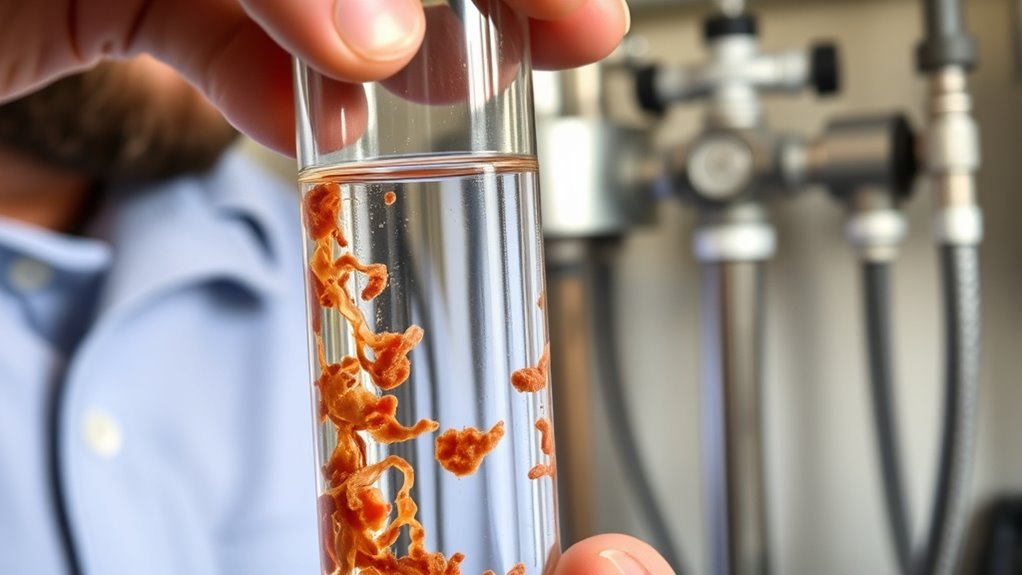
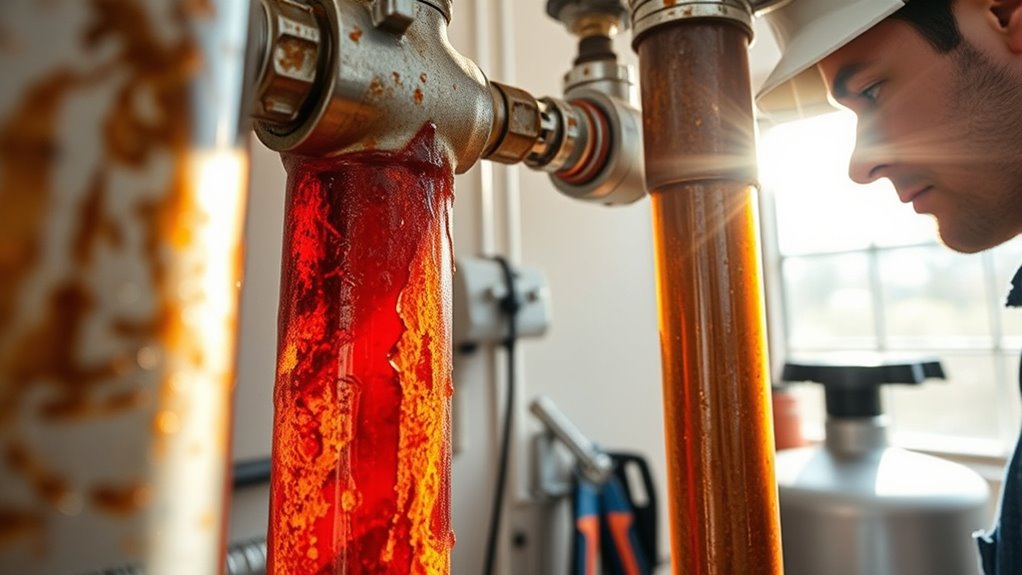
Iron bacteria are a common problem in well water systems, causing reddish-brown stains, foul odors, and clogged plumbing. These bacteria thrive in environments rich in iron and organic matter, forming slimy, biofilm-like layers inside pipes and tanks. This biological fouling not only affects water quality but also leads to serious plumbing issues. As the bacteria grow, they produce a slime that coats the interior of pipes, reducing water flow and eventually causing blockages. This buildup can also trap debris, further impairing your water system’s efficiency.
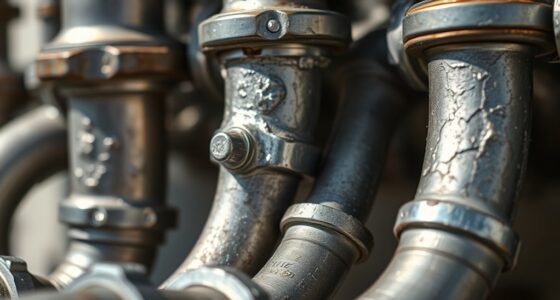
One of the most damaging effects of iron bacteria is pipe corrosion. The bacteria produce byproducts that accelerate the deterioration of metal pipes. Over time, this corrosion weakens the integrity of your plumbing, leading to leaks, pipe failures, and costly repairs. The corrosive activity can also cause rust-colored staining on fixtures and laundry, which is a telltale sign of bacterial contamination. If left untreated, the ongoing biological fouling and pipe corrosion can compromise your entire well system, making it less reliable and more prone to breakdowns.
To address these issues, you need an extensive approach. Regular chlorination is one of the most effective methods to eliminate iron bacteria. By introducing chlorine into your well, you kill the bacteria and disrupt the formation of biofilms. This process helps reduce biological fouling and slows down pipe corrosion. It’s important to monitor chlorine levels carefully, as too little won’t eradicate the bacteria, while too much can damage your plumbing and affect water taste. After chlorination, flushing your system thoroughly helps remove dead bacteria and slime buildup.
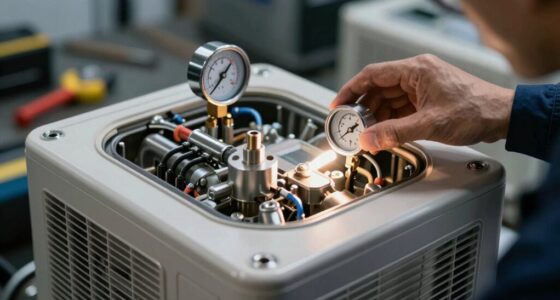
Another important step is installing a disinfection system, such as UV light or ozone treatment, to keep bacterial populations under control. These systems provide ongoing disinfection, preventing regrowth and reducing the risk of biological fouling. Additionally, installing a filtration system designed to remove iron and organic material can help keep your water clear and reduce bacterial food sources, further minimizing corrosion and biofilm development.
Routine maintenance is key. Regularly inspecting your well and plumbing for signs of buildup or corrosion allows you to catch problems early. Flushing and cleaning your system periodically can prevent the accumulation of bacteria and biofilm that lead to biological fouling. In some cases, replacing sections of corroded pipe may be necessary to restore proper water flow and avoid future issues. Proper water testing and treatment can help maintain a safer and more reliable well system over time.
As an affiliate, we earn on qualifying purchases.
Frequently Asked Questions
How Often Should I Test My Well Water for Iron Bacteria?
You should test your well water for iron bacteria at least once a year as part of your maintenance schedule. If you notice a change in water color, taste, or smell, test more frequently, perhaps every three to six months. Regular testing helps catch problems early, preventing buildup and contamination. Incorporate these tests into your maintenance routine to keep your well water safe and clear of iron bacteria issues.
Can Iron Bacteria Cause Health Issues in Drinking Water?
Think of iron bacteria as tiny troublemakers in your water. While they mainly cause staining and smell issues, they can also pose health implications if bacterial contamination becomes severe. Although iron bacteria themselves aren’t typically harmful, their presence can hide other harmful bacteria, risking your health. Regular testing helps catch problems early, ensuring your water stays safe and clear, free from unseen bacterial threats.
Are There Eco-Friendly Methods to Eliminate Iron Bacteria?
Yes, there are eco-friendly methods to eliminate iron bacteria. You can use natural bacteria control techniques, like introducing beneficial microbes that outcompete iron bacteria, or apply eco-friendly treatments such as hydrogen peroxide or ozone, which break down the bacteria without harming the environment. Regular chlorination with minimal chemical use also helps maintain a natural balance. These approaches effectively manage iron bacteria while protecting your well water and the ecosystem.
What Are the Long-Term Effects of Untreated Iron Bacteria?
Ignoring iron bacteria is like inviting corrosion to your home’s foundation—long-term contamination can clog pipes, stain fixtures, and cause unpleasant odors. Over time, it can lead to structural damage, weakening your well system’s integrity. Untreated, these bacteria multiply and form slimy biofilms, escalating maintenance costs and risking water quality. Don’t let hidden threats silently degrade your water supply; act now to protect your home’s health and longevity.
How Do I Identify Iron Bacteria in Well Water Visually?
You can identify iron bacteria in well water visually by looking for staining patterns like reddish-brown or yellowish slime on pipes, well components, or fixtures. Watch for slimy or gel-like deposits that often have a musty odor. These visual clues, including discoloration and slimy buildup, signal the presence of iron bacteria. Regular inspection and testing help confirm contamination, so you can take the appropriate steps to address it.
As an affiliate, we earn on qualifying purchases.
Conclusion
To keep your well water clear, your pipes clean, and your system functioning smoothly, you need to address iron bacteria problems promptly. Regular maintenance, proper disinfection, and vigilant monitoring work together to prevent buildup, eliminate odors, and protect your water quality. By staying proactive, you safeguard your home, preserve your well’s health, and enjoy clean, bacteria-free water every day. Taking these steps guarantees your well remains a reliable source for you and your family.
As an affiliate, we earn on qualifying purchases.
As an affiliate, we earn on qualifying purchases.
Fall yard work Picks
leaf blowers
As an affiliate, we earn on qualifying purchases.