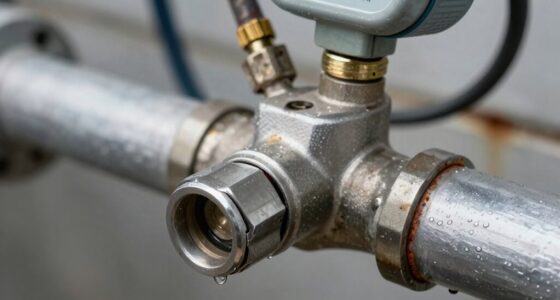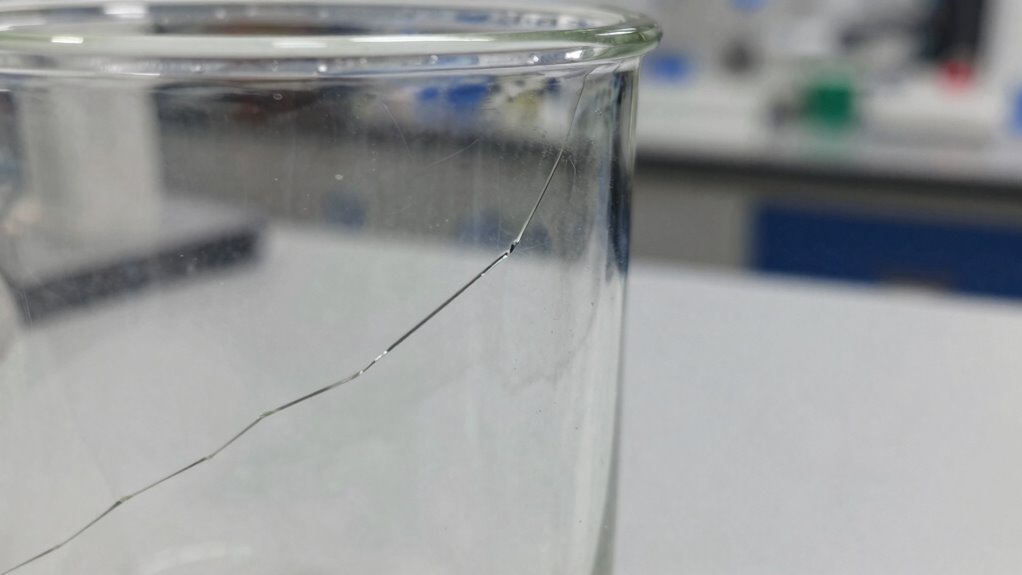

Ignoring minor pressure changes can cause sensors to malfunction over time, leading to inaccurate readings. This often results in system strain, uneven operation, and increased wear on equipment. Small issues like leaks or blockages can escalate if you dismiss them, risking costly repairs and downtime. False alarms might trigger unnecessary responses, and over time, overall system reliability drops. To prevent these problems, it’s essential to understand the impact of pressure fluctuations and stay vigilant. Keep exploring to learn more.

Get home appliances delivered free with Prime
- Fast, free delivery on millions of items
- Prime Video, Amazon Music and more included
- Member-only deals all year
Key Takeaways
- Small pressure fluctuations can go unnoticed, leading to sensor malfunctions and inaccurate system data.
- Ignoring minor pressure changes may cause equipment strain and uneven operation over time.
- Minor issues like leaks or blockages can escalate into costly repairs if left unaddressed.
- Over time, unmonitored pressure deviations erode trust in system monitoring and decision-making.
- Delaying response to pressure changes increases safety risks and the likelihood of system failure.
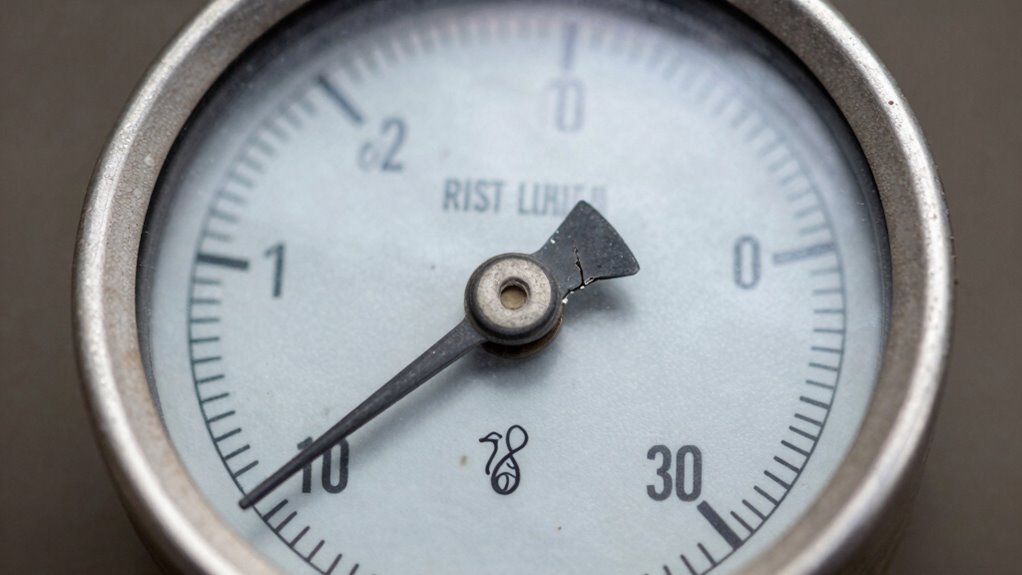
Even a small change in pressure might seem insignificant at first, but ignoring it can lead to bigger problems down the line. When your system detects a slight pressure drop or increase, it’s easy to dismiss it as a normal fluctuation. However, neglecting these signals can cause your sensors to malfunction, which may compromise the entire system. Sensors are designed to monitor pressure accurately, but if they aren’t calibrated properly or if they become faulty, you might not get the correct readings. Over time, this can lead to inaccurate data, causing your system to respond inappropriately or fail altogether.
Ignoring small pressure changes risks sensor failure and system breakdown over time.
As pressure issues persist unnoticed, your equipment or system can start to experience strain. For example, in a hydraulic or pneumatic system, small pressure deviations can cause uneven operation, increased wear and tear, or even sudden breakdowns. The sensor malfunction might mean your control mechanisms don’t activate when needed or trigger unnecessary alarms, leading to confusion and delays. If the system continues to operate under false data, there’s a real risk of system failure. The failure might not happen immediately but can develop silently, making it harder to diagnose the root cause until a critical malfunction occurs.
Ignoring minor pressure changes also means you’re likely to miss early warning signs of trouble. Small leaks, blockages, or component wear can cause pressure shifts that, if caught early, are easy to fix. By dismissing these signals, you allow minor issues to escalate into major repairs, often at a higher cost and with more downtime. Over time, the cumulative effects of system failure can disrupt operations, damage other connected parts, and even pose safety risks, especially in industrial or automotive settings.
Furthermore, neglecting these small pressure variations can erode trust in your monitoring system. When sensors malfunction go unnoticed, you lose confidence in the data, which affects decision-making. You might find yourself reacting to symptoms rather than addressing underlying problems. Regular maintenance, calibration, and prompt attention to pressure changes are crucial to prevent sensor malfunction and system failure. Recognizing that even tiny pressure fluctuations deserve attention helps you catch issues early before they spiral into costly, disruptive failures. In addition, understanding how sensor calibration impacts performance is key to maintaining system integrity. In the end, being proactive saves you time, money, and potential hazards, emphasizing the importance of not dismissing minor pressure changes.
As an affiliate, we earn on qualifying purchases.
Frequently Asked Questions
Can Minor Pressure Changes Cause Long-Term Health Issues?
Ignoring minor pressure changes can lead to long-term health issues by causing ongoing stress buildup, which may weaken your immune response over time. Small fluctuations might seem harmless, but consistently neglecting them can increase your vulnerability to illnesses and chronic conditions. You need to pay attention to these signs, manage stress effectively, and support your immune system to prevent potential health problems caused by unnoticed pressure changes.
How Quickly Do Pressure Changes Affect the Body?
Pressure changes can affect your body almost immediately, triggering a pressure adaptation response. Your bodily response starts within seconds to minutes, as your body works to balance internal pressure. You might notice symptoms like dizziness, headaches, or discomfort quickly. Ignoring these minor changes can delay your body’s adaptation, potentially leading to more significant issues over time. Staying aware and responding promptly helps your body adjust smoothly and prevents complications.
Are Certain People More Sensitive to Pressure Fluctuations?
You’re more sensitive to pressure fluctuations if your sensory adaptation is quick and your emotional resilience is low. Imagine a violin string, easily disturbed by the slightest touch—some people react strongly to minor changes, just like that. Factors like anxiety, migraines, or chronic stress heighten this sensitivity, making you more aware of shifts that others barely notice. Developing resilience helps you manage these fluctuations better, reducing overstimulation and emotional upheaval.
What Are Common Sources of Minor Pressure Changes?
Common sources of minor pressure changes include barometric fluctuations caused by weather shifts and indoor air alterations from heating, cooling, or ventilation systems. You might notice these fluctuations when doors or windows are opened, or when HVAC systems cycle on and off. These small pressure variations are natural, but paying attention helps you understand how they influence comfort, airflow, and even your building’s structural integrity over time.
Can Ignoring Pressure Changes Lead to Serious Emergencies?
Ignoring pressure changes can be a disaster waiting to happen, like ignoring a ticking time bomb. When you dismiss barometric shifts or altitude adjustments, small issues can escalate into serious emergencies, especially in aviation or diving. These minor pressure fluctuations are signals your body and equipment need attention. Failing to react might lead to dangerous situations, including decompression sickness or altitude sickness, which can have life-threatening consequences if left unaddressed.
As an affiliate, we earn on qualifying purchases.
Conclusion
Ignoring a minor pressure change is like overlooking a small crack in a dam—you might think it’s nothing now, but over time, that tiny leak can become a flood. Just as water finds its way through the smallest gaps, small pressure shifts can lead to bigger issues if left unchecked. Stay alert to the subtle signs; addressing them early keeps your system steady and prevents a potential disaster from unfolding. Don’t wait for the flood—tackle the leaks now.
pneumatic system pressure monitor
As an affiliate, we earn on qualifying purchases.
As an affiliate, we earn on qualifying purchases.
As an affiliate, we earn on qualifying purchases.
Cold & flu season Picks
humidifiers
As an affiliate, we earn on qualifying purchases.