
Backwater valves are an essential part of your whole-house water defense plan because they prevent sewer backups during heavy rains or snowmelt, protecting your home from flooding. They work alongside sump pumps, proper property grading, and flood barriers to create multiple layers of protection. Regular maintenance and understanding how these systems operate guarantee they function correctly when needed. Keep exploring to discover how to optimize your flood prevention strategy and safeguard your home effectively.

Get home appliances delivered free with Prime
- Fast, free delivery on millions of items
- Prime Video, Amazon Music and more included
- Member-only deals all year
Key Takeaways
- Backwater valves prevent sewer backups, reducing flood risk during heavy rains or snowmelt.
- They are part of a layered defense system, working alongside sump pumps and flood barriers.
- Regular maintenance ensures backwater valves function properly during emergencies.
- Understanding their role enhances overall flood preparedness and system effectiveness.
- Integrating backwater valves with other protective measures creates a comprehensive water defense plan.
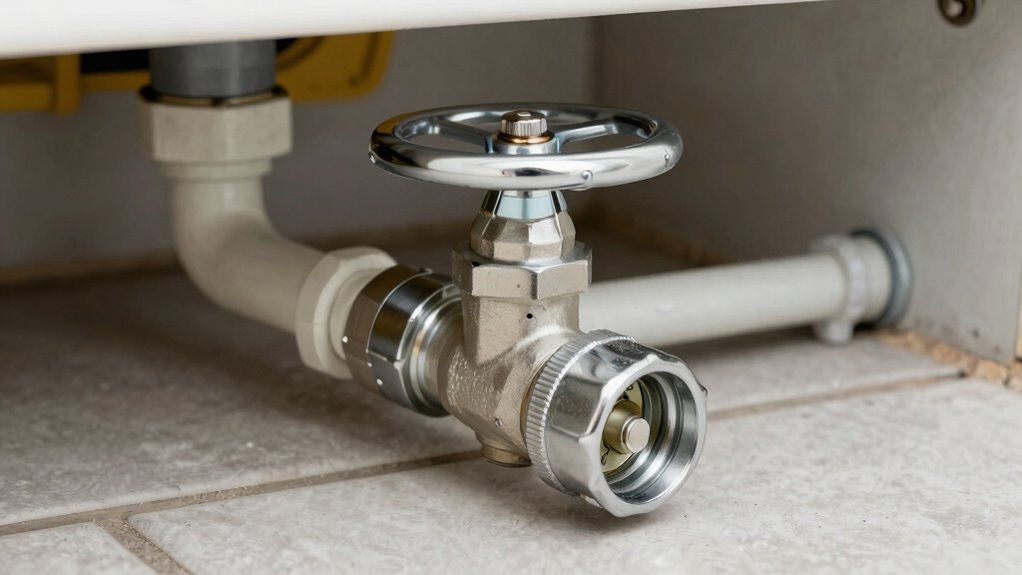
When heavy rains or rising water levels threaten your home, backwater valves serve as a crucial line of defense against flooding and water damage. These devices are specifically designed to prevent sewer backup, a common issue during storms or rapid snowmelt, when the municipal sewer system becomes overwhelmed. Installing a backwater valve is a proactive step in your overall flood prevention strategy, but it shouldn’t be your only measure. Instead, it functions best as part of a complete, whole-house water defense plan that combines multiple layers of protection.
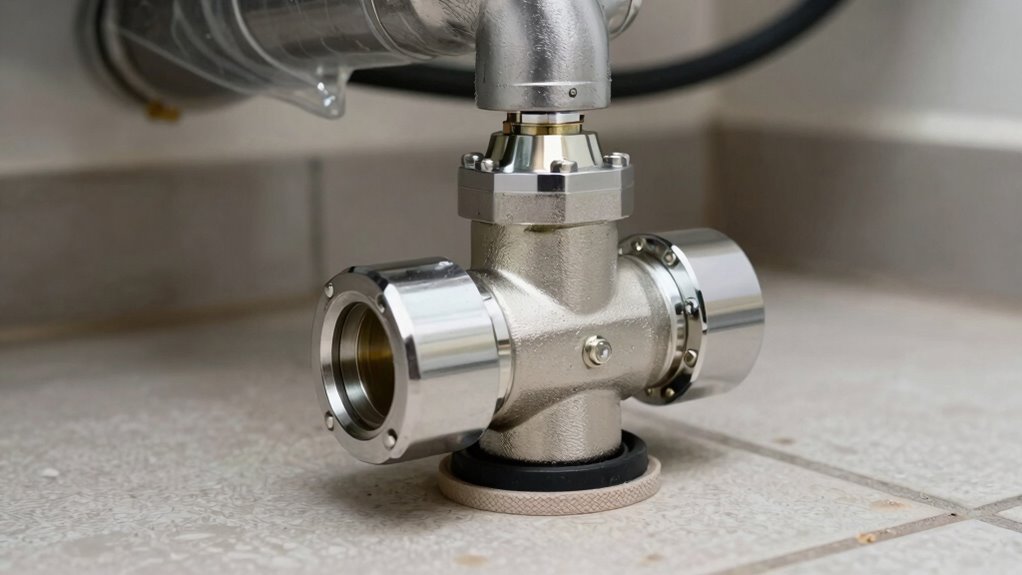
A backwater valve works by allowing wastewater to flow out of your home normally, while blocking any reverse flow from the municipal sewer system. During heavy rains, if the sewer system cannot handle the volume, water can back up into your drains, causing flooding in basements, toilets, and sinks. Without a backwater valve, this backup can quickly lead to extensive water damage and costly repairs. By installing one, you minimize the risk of sewer backup, but it’s also important to think about other flood prevention measures, such as sump pumps, drain backups, and proper grading around your property.
Your whole-house water defense plan should include regular maintenance of your backwater valve to ensure it functions correctly when needed. A faulty valve might fail to close during a sewer backup, negating its protective benefits. Installing a check valve or an automatic backwater valve can provide added assurance, especially if you experience frequent storms or have a history of sewer issues. Complement this with a sump pump system that automatically activates when water levels rise inside your basement, helping to keep floodwaters out.
Sealing cracks and installing flood barriers around your foundation further enhances your flood prevention efforts. These measures work together to create multiple layers of protection, reducing the likelihood of water intrusion from all angles. It’s also beneficial to understand the functionality of backwater valves and how they integrate into your overall water management system. Regularly inspecting and maintaining your sewer system, as well as understanding the role of flood barriers, can help identify potential issues before they lead to failures during storms. Additionally, being aware of the local weather patterns and how they impact your property can help you better prepare for unexpected flooding events. Remember, a whole-house water defense isn’t just about installing equipment; it involves ongoing vigilance, maintenance, and improvements based on your local weather patterns and sewer system conditions.
As an affiliate, we earn on qualifying purchases.
Frequently Asked Questions
How Often Should Backwater Valves Be Inspected or Maintained?
You should inspect and maintain your backwater valve at least once a year, following a regular maintenance schedule. During inspection frequency, check for signs of wear, debris buildup, or damage, and make sure it operates smoothly. If your area experiences heavy rainfall or flooding, consider more frequent inspections. Proper maintenance keeps your backwater valve functioning effectively, preventing sewer backups and protecting your home’s plumbing system.
Are Backwater Valves Suitable for All Types of Plumbing Systems?
Backwater valves aren’t suitable for all plumbing systems; their installation depends on your home’s layout and plumbing setup. You might explore alternative installation methods if traditional placement isn’t feasible. When considering cost comparison, keep in mind that some systems may require more extensive modifications, which can increase expenses. It’s best to consult a plumber to determine if a backwater valve fits your system and what installation options are available.
Can Backwater Valves Prevent Sewage Backups During Power Outages?
Ever imagine sewage overflow flooding your home during a power outage? Backwater valves can help prevent this by blocking sewage from backing up into your house when the municipal sewer system is overwhelmed or during a power outage. They act as a one-way valve, stopping backups and protecting your home’s plumbing system. While they don’t operate during power failures unless equipped with a battery backup, they considerably reduce sewage backup risks.
What Are the Signs Indicating a Backwater Valve Needs Replacement?
You’ll want to replace your backwater valve if you notice persistent odors, slow drainage, or water backing up into your basement. Regular backwater valve installation helps guarantee sewer backup prevention, but over time, parts can wear out or become damaged. If you see leaks around the valve or it fails to seal properly, it’s time for a replacement. Staying vigilant keeps your whole-house water defense system effective and your home protected.
Do Backwater Valves Require Permits or Approval From Local Authorities?
Think of your home’s plumbing as a fortress, where permits are the secret codes to keep it strong. You do need permits or approval from local authorities before installing a backwater valve, as it’s governed by local regulations. These rules guarantee safety and proper functioning. Always check with your city or county’s building department to stay compliant, avoiding potential fines or delays in your project’s progress.
automatic check valve for sewer backup
As an affiliate, we earn on qualifying purchases.
As an affiliate, we earn on qualifying purchases.
Conclusion
Think of your home’s water system as a mighty castle, with backwater valves serving as vigilant guards at the gate. They stand ready to block unwanted invaders—floodwaters—that threaten your kingdom’s safety. When you install these valves as part of your water defense plan, you’re fundamentally arming your castle with a stalwart shield, ensuring that no matter the storm outside, your home remains a fortress of safety and peace inside.
As an affiliate, we earn on qualifying purchases.
As an affiliate, we earn on qualifying purchases.
NFL season / tailgating Picks
team gear
As an affiliate, we earn on qualifying purchases.