
Relying on a single water-related symptom can be misleading because symptoms like dry skin or thirst don’t give the full picture of your hydration. External factors, water quality, and individual differences affect how you feel. Your body responds differently based on activity, environment, and health. To truly understand your hydration, consider multiple cues and factors. Keep exploring to uncover the more detailed approach to staying properly hydrated.

Get home appliances delivered free with Prime
- Fast, free delivery on millions of items
- Prime Video, Amazon Music and more included
- Member-only deals all year
Key Takeaways
- Single symptoms like dry skin or thirst can be caused by factors unrelated to hydration, leading to misleading conclusions.
- Water quality, including contaminants and minerals, significantly impacts hydration effectiveness beyond just water intake volume.
- Individual factors such as age, activity level, and environment cause varied hydration needs and responses.
- Relying on one sign ignores the body’s complex signals; multiple cues provide a more accurate hydration assessment.
- A holistic approach considering symptoms, water quality, and personal circumstances offers a clearer understanding of hydration status.

When you notice a single water-related symptom, like dry skin or a persistent thirst, it’s easy to assume that’s the whole story. But often, symptoms are just the tip of the iceberg, and relying on one sign can lead you down the wrong path. Hydration myths, for example, suggest that if you’re not feeling parched, your water intake is sufficient. However, your body’s signals aren’t always that straightforward. Your skin might be dry because of weather or skincare habits, not just dehydration. Similarly, feeling thirsty could be a sign of other issues, like salt imbalance or underlying health conditions. So, when it comes to water and hydration, it’s essential to look beyond one symptom.
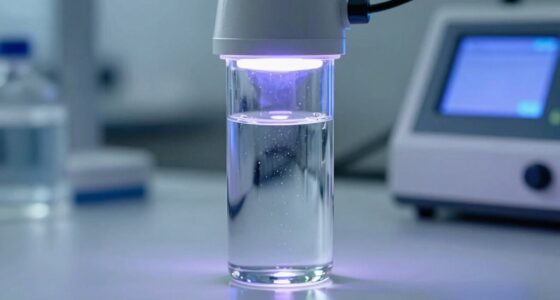
Water quality also plays an indispensable role in how you experience hydration. Not all water is created equal, and drinking “clean” water doesn’t automatically mean your body is getting what it needs. Contaminants or minerals in your tap water can affect how well your body absorbs and utilizes the water you consume. Some people might drink plenty of water but still feel dehydrated because their water source isn’t ideal. Conversely, others might think they’re fine because they’re drinking a lot, but if the water quality is poor, their health could suffer without obvious signs. It’s a reminder that hydration isn’t just about quantity but also about water quality.
Water quality impacts hydration; clean water isn’t always enough for proper absorption and health.
Furthermore, your body’s response to hydration varies based on factors like age, activity level, health status, and even environmental conditions. A single symptom doesn’t account for these complexities. For instance, athletes or those exposed to hot weather need more water, and their symptoms might differ from someone who’s less active or lives in cooler climates. Relying on just one symptom might cause you to overlook underlying issues or misjudge your hydration needs. It’s better to consider multiple cues—such as urine color, energy levels, and overall well-being—rather than fixate on just one. Recognizing these nuances can help you develop a more accurate understanding of your hydration status.
In addition, understanding the complexity of hydration needs can help you develop a more accurate picture of your health, since many factors influence how much water your body requires. In the end, understanding why one symptom rarely tells the whole water story requires a broader perspective. Don’t fall for hydration myths that oversimplify the signs of dehydration. Pay attention to water quality, your body’s unique responses, and other subtle signals that can help you gauge your hydration status more accurately. Remember, hydration is a complex puzzle, and a single symptom is rarely enough to piece it all together.
As an affiliate, we earn on qualifying purchases.
Frequently Asked Questions
How Do Water Quality Issues Affect Health Beyond Visible Symptoms?
Water quality issues can impact your health in ways beyond visible symptoms. Poor water mineralization and pH imbalance can affect your body’s pH levels and nutrient absorption, leading to long-term health problems. Even if water looks clean, these hidden issues may cause fatigue, digestive issues, or immune system stress. Regular testing and treatment help guarantee your water’s mineralization and pH are balanced, safeguarding your overall health.
Can Dehydration Symptoms Vary Between Individuals?
Yes, dehydration symptoms can vary between individuals because of differences in fluid imbalance and thirst perception. Some people might feel thirsty early, while others don’t notice until their body is profoundly dehydrated. Factors like age, activity level, and health conditions influence these differences. So, it’s essential to listen to your body’s signals and stay hydrated regularly, even if you don’t immediately feel thirsty.
What Role Does Water Temperature Play in Health Problems?
Just as Goldilocks sought the perfect balance, water temperature impacts your health considerably. Too hot or cold water can irritate your digestive system or skin, while tepid water often supports better hydration. Water pH and mineral content also matter, influencing digestion and energy levels. You should pay attention to these factors because they work together, much like a symphony, to keep your body balanced and healthy.
Are There Hidden Contaminants in Tap Water That Aren’t Detectable?
Yes, hidden contaminants in tap water can escape detection because they often don’t show up in chemical indicators, yet still cause issues. Mineral imbalances might go unnoticed without proper testing, and some chemical contaminants could be present without obvious signs. You should consider thorough testing, as these hidden impurities can affect your health, even if your water appears clean. Regular testing helps uncover what you can’t see or detect easily.
How Often Should One Test Their Water for Safety?
You should test your water at least once a year to catch hidden contaminants before they cause harm. Imagine relying on water filtration or bottled water only to discover dangerous pollutants too late! Regular testing guarantees your water’s safety, especially if you notice changes in taste or smell. Don’t wait for symptoms—stay proactive to protect your health and keep your water pure and safe.
As an affiliate, we earn on qualifying purchases.
Conclusion
Remember, relying on just one symptom is like trying to solve a complex puzzle with a single piece—you’ll never see the full picture. Water issues are intricate, with each symptom revealing only a tiny part of the story. Don’t let yourself be fooled into thinking one sign tells all. Instead, be vigilant and look deeper. When it comes to water health, missing the big picture can turn a small problem into a disaster—so stay curious and keep digging!
As an affiliate, we earn on qualifying purchases.
As an affiliate, we earn on qualifying purchases.
NFL season / tailgating Picks
team gear
As an affiliate, we earn on qualifying purchases.