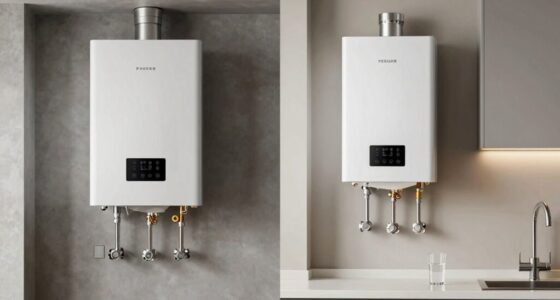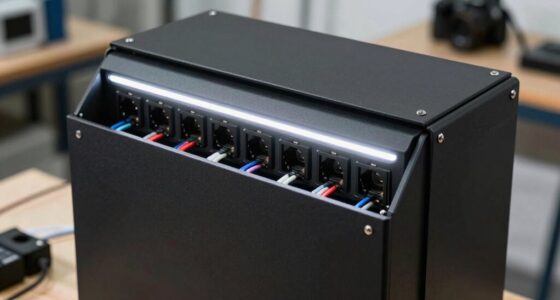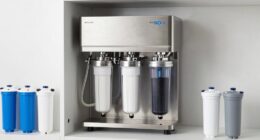
Integrating smart monitoring and Wi-Fi into your filtration system lets you track performance in real-time and get instant alerts if issues arise. This setup helps you respond quickly, schedule maintenance automatically, and improve overall efficiency. Plus, strong security measures protect your data and privacy. As your system learns and adapts, it offers smart insights to keep your environment cleaner and safer. Keep exploring to discover how these features can make a difference in your space.
Key Takeaways
- Enables real-time system performance monitoring and instant alerts via Wi-Fi-connected devices.
- Enhances data security through encryption, secure connections, and regular software updates.
- Facilitates predictive maintenance with analytics forecasting filter replacements and component failures.
- Incorporates AI to optimize system operation and adapt to environmental changes automatically.
- Offers remote control, management, and ongoing feature improvements for increased convenience and efficiency.
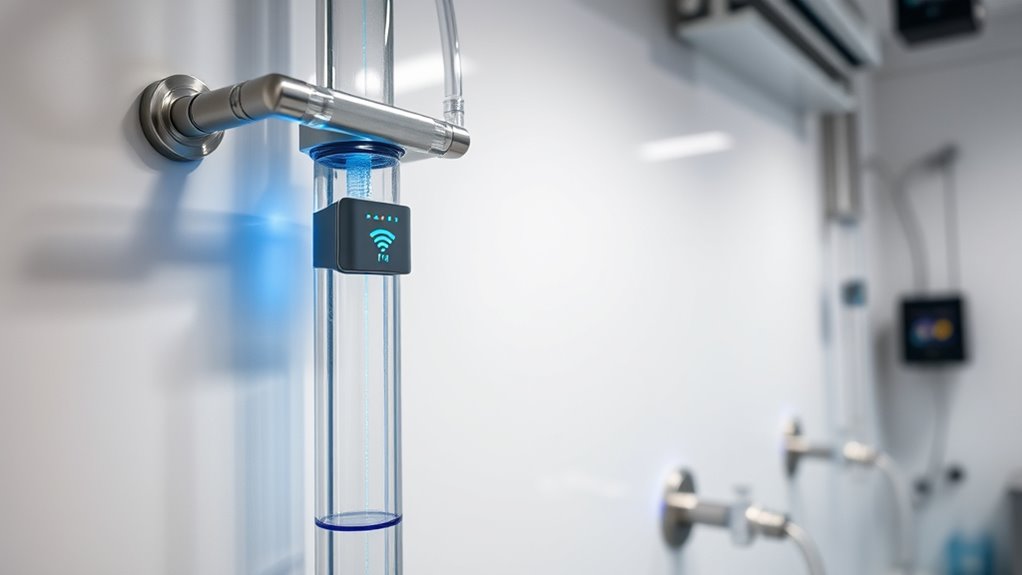
As filtration systems become more advanced, integrating smart monitoring and Wi-Fi connectivity transforms how you manage and maintain clean air or water. With these enhancements, you gain real-time insights into your system’s performance, enabling quicker responses to issues and more efficient maintenance. You no longer need to rely solely on manual checks or scheduled servicing; instead, remote diagnostics allow you to troubleshoot problems from anywhere. If your system detects a drop in filtration efficiency or a component malfunction, it can send alerts directly to your smartphone or computer, saving you time and reducing downtime. This proactive approach helps you stay ahead of potential problems before they escalate, ensuring your environment remains safe and healthy.
However, as you connect your filtration system to the internet, data security becomes a critical concern. You need to ensure that your system’s data — including usage patterns, system health, and personal information — is protected from cyber threats. Manufacturers are increasingly implementing robust encryption protocols and secure Wi-Fi connections to safeguard your data. Regular software updates and strong authentication methods further enhance security, making it difficult for unauthorized users to access sensitive information. Investing in a system with solid security measures means you can enjoy the convenience of smart monitoring without compromising your privacy or risking data breaches.
Remote diagnostics, combined with Wi-Fi connectivity, also streamline maintenance routines. Instead of waiting for a technician to visit, you can receive detailed reports on your system’s status, often with suggested actions to optimize performance. Many systems even feature predictive analytics, which forecast when filters need replacing or when parts are likely to fail, based on historical data. This not only reduces unexpected breakdowns but also extends the lifespan of your equipment. Plus, remote troubleshooting can often be handled through automated processes or guided instructions, further minimizing disruption.
Additionally, the integration of on-device AI capabilities in some filtration systems enhances their ability to adapt and optimize performance automatically. Integrating smart monitoring and Wi-Fi connectivity empowers you to take control of your filtration system with ease. You can customize alerts, monitor performance metrics, and schedule maintenance tasks remotely, all while ensuring your data remains secure. As these technologies evolve, expect even more sophisticated features that provide deeper insights and greater convenience. Ultimately, embracing these advancements means you’ll enjoy cleaner air or water, improved system efficiency, and peace of mind knowing your environment is protected by cutting-edge technology that’s both smart and secure.
Frequently Asked Questions
How Secure Is the Wi-Fi Connection in Filtration Systems?
Your Wi-Fi connection in filtration systems is generally secure, thanks to strong wireless encryption protocols that protect data traffic. However, it’s crucial to regularly update firmware and use strong, unique passwords to guarantee data privacy. While manufacturers implement security measures, staying vigilant and monitoring your network can prevent unauthorized access, keeping your system safe and your data private.
Can Smart Monitoring Be Integrated With Existing Filtration Infrastructure?
Yes, you can integrate smart monitoring with your existing filtration infrastructure. You’ll find sensor integration and retrofit options that make this process seamless. These solutions allow you to add sensors to monitor system performance and connect them via Wi-Fi, giving you real-time data without replacing your entire setup. With proper installation, you can enhance your filtration system’s efficiency and control, all while using your current infrastructure.
What Are the Costs Associated With Implementing Wi-Fi in Filtration Systems?
The costs for implementing Wi-Fi in filtration systems vary based on the complexity of your setup and the equipment needed. A thorough cost analysis helps you understand installation expenses, including hardware, sensors, and network integration. You might also consider ongoing maintenance costs. While initial investments can be significant, the benefits of real-time monitoring and remote management can justify these expenses over time, enhancing system efficiency and reducing operational costs.
How Does Smart Monitoring Improve Filtration System Maintenance?
You’ll find that smart monitoring transforms maintenance by providing real-time insights, preventing surprises. With highly accurate sensors, you catch issues early, avoiding costly repairs. Data analytics helps you predict when filters need replacement, optimizing performance and extending system life. This proactive approach keeps your filtration system running smoothly, saving you time and money. Ultimately, smart monitoring turns maintenance from reactive to strategic, giving you confidence in your system’s reliability.
What Are the Compatibility Requirements for Smart Sensors and Wi-Fi Modules?
To guarantee compatibility, you need to check that smart sensors and Wi-Fi modules support common wireless standards like Wi-Fi 802.11n or ac. They should be easy to calibrate for accurate readings, and their interfaces must match your system’s connectivity options. Make sure firmware updates are supported and that power requirements align. This way, your sensors will communicate effectively, maintaining system reliability and seamless data transfer.
Conclusion
By integrating smart monitoring and Wi-Fi into your filtration system, you enhance control, increase efficiency, and guarantee peace of mind. You can monitor performance remotely, receive real-time updates, and make adjustments effortlessly. You streamline maintenance, improve water quality, and stay connected at all times. Embrace innovation, elevate your system, and enjoy the benefits of smarter filtration. Because when you harness technology, you optimize performance, simplify management, and secure purity for you and your family.