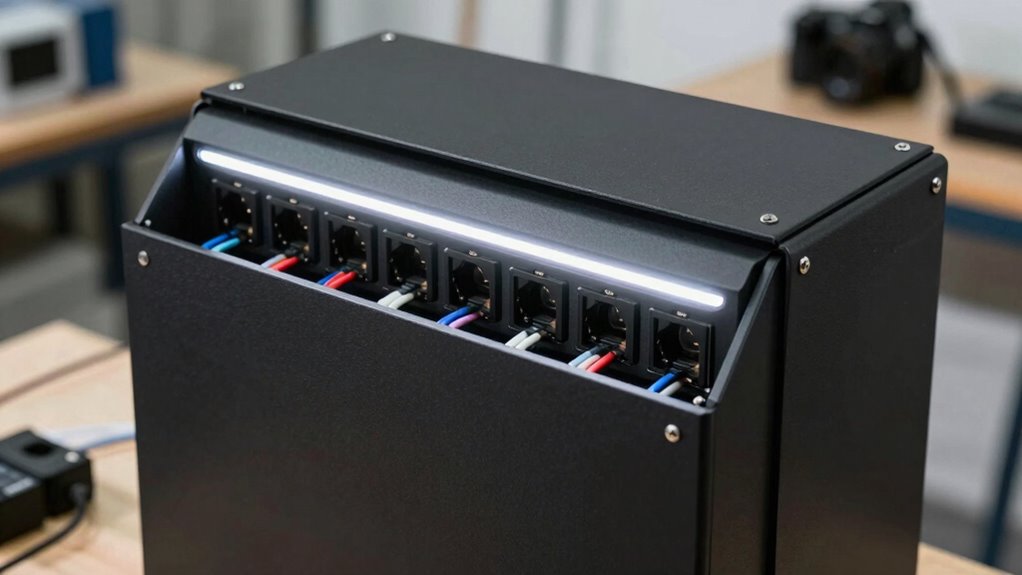
Adding ports to your manifold now makes future expansions easier and more cost-effective. Modular design allows you to upgrade or modify your system quickly, avoiding costly replacements later. Using durable, corrosion-resistant materials guarantees longevity, even in tough conditions. Easy access points simplify modifications, helping you stay ahead with the latest technology. Investing in a future-proof manifold today means you’ll save thousands and keeps your system flexible for whatever’s next. Keep exploring to learn how to optimize your setup.

Get home appliances delivered free — and shop member deals
- Fast, free delivery on millions of items
- Access to Prime Big Deal Days deals on October 6–7
- Prime Video, Amazon Music and more included
Key Takeaways
- Modular manifolds allow easy addition of ports, preventing costly future replacements or upgrades.
- Investing in durable, corrosion-resistant materials extends manifold lifespan and reduces maintenance costs over time.
- Designing with accessible ports simplifies modifications, minimizing downtime and operational disruptions.
- Future-proof manifolds support scalability, enabling quick adaptation to evolving system needs without major overhauls.
- Selecting high-performance materials ensures system reliability in harsh environments, saving money on repairs and replacements later.
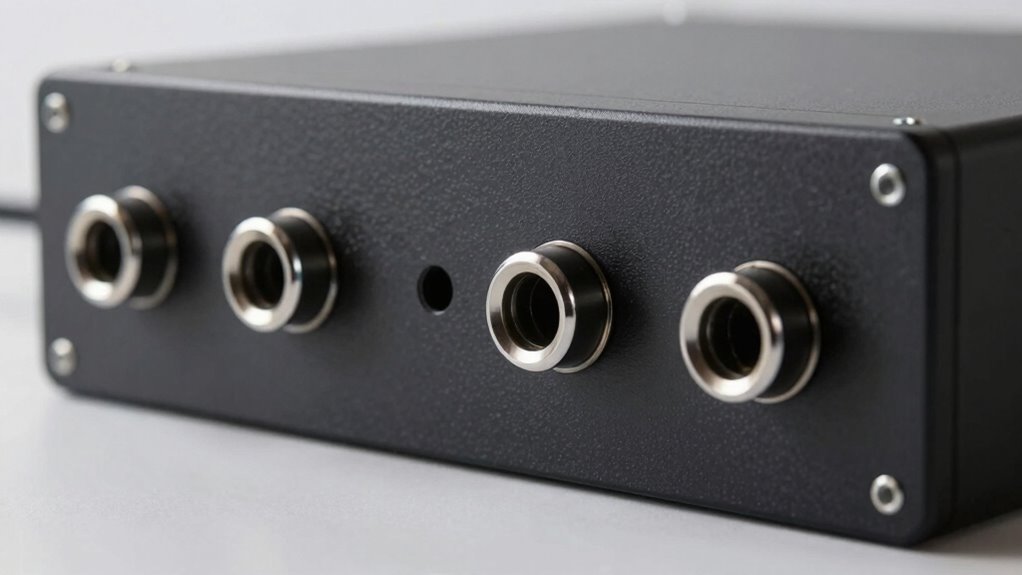
As technology advances at a rapid pace, designing manifolds that can adapt to future needs becomes vital. You want a system that won’t require costly upgrades or replacements down the line. One of the smartest ways to guarantee this flexibility is by opting for a modular design. Modular manifolds allow you to add or remove ports as your system evolves, eliminating the need to overhaul the entire setup whenever your requirements change. This adaptability saves you both time and money, especially when future expansions or modifications become necessary. Instead of investing in a new manifold whenever your process expands, you can simply attach additional modules, guaranteeing your system remains efficient and scalable. Additionally, incorporating high-performance materials ensures your manifold can withstand demanding conditions, further extending its lifespan and reliability. Material durability plays a key role in future-proofing your manifold. When you select high-quality materials designed to withstand wear and tear, you notably extend the lifespan of your equipment. Durable materials resist corrosion, high pressures, and temperature fluctuations, so your manifold stays reliable over years of operation. This longevity means you won’t face frequent replacements or repairs, which can be costly and disruptive. Combining durable materials with a modular design creates a resilient, adaptable system that can grow with your needs without sacrificing performance or integrity.
Thinking ahead, you should prioritize manifolds constructed from corrosion-resistant alloys or reinforced plastics that can handle your process environment. This guarantees your system remains functional regardless of harsh chemicals or extreme conditions. Additionally, look for manifolds that feature easy-to-access ports, enabling quick modifications without complex disassembly. Such features make it simple to upgrade your system as new technology or requirements emerge, keeping you ahead in your industry.
modular manifold with add-on ports
As an affiliate, we earn on qualifying purchases.
As an affiliate, we earn on qualifying purchases.
Frequently Asked Questions
How Do I Determine the Optimal Number of Ports for My Manifold?
To determine the ideal number of ports for your manifold, assess your current system compatibility and anticipated future expansion. Think about your present needs and how they might grow, ensuring you leave room for additional connections. By planning ahead, you avoid costly upgrades later. Consider consulting with a professional to analyze your system’s capacity and growth potential, helping you add the right number of ports now to save money and hassle later.
Are There Specific Materials Best Suited for Future Port Additions?
You should choose materials with excellent corrosion resistance, like stainless steel or certain plastics, to guarantee your manifold can accommodate future port additions. Material selection is vital because it impacts durability and ease of modification later. Opt for corrosion-resistant options now so your system remains reliable over time. This foresight saves you money and effort, preventing costly replacements or upgrades when you decide to add more ports in the future.
Can Existing Manifolds Be Retrofitted With Additional Ports Easily?
You can retrofit existing manifolds with additional ports, but it’s not always straightforward. Retrofit challenges include guaranteeing port compatibility and sealing properly to prevent leaks. You’ll need to assess the manifold’s material and design to determine if modifications are feasible. Sometimes, custom adapters or fittings are required. Carefully evaluate these factors ahead of time to avoid costly mistakes and ensure a secure, long-lasting upgrade.
What Are the Cost Implications of Adding Ports During Initial Installation?
Adding ports during initial installation increases your upfront cost compared to a standard setup, but it offers a better cost comparison in the long run. You’ll save thousands later by avoiding costly retrofits and reducing installation complexity later. Investing in additional ports now guarantees your manifold remains flexible for future needs, streamlining maintenance and expansion while keeping overall expenses more predictable and manageable over time.
How Does Port Placement Affect Overall System Performance?
Imagine your system as a finely tuned river, where port placement guides flow efficiency and pressure distribution. When you position ports thoughtfully, you guarantee smooth, unobstructed currents, boosting overall performance. Poor placement creates turbulence, reducing flow efficiency and causing pressure drops. By planning port locations carefully, you optimize system performance now and prevent costly adjustments later, keeping your operation flowing seamlessly like a well-managed river.
corrosion-resistant industrial manifold
As an affiliate, we earn on qualifying purchases.
As an affiliate, we earn on qualifying purchases.
Conclusion
By adding ports now, you’re planting seeds for a future where your manifolds are ready for anything. Imagine a sleek, adaptable system that seamlessly evolves as your needs grow—no costly overhauls or disruptions. You’re creating a durable foundation, like planting sturdy roots that will support your journey ahead. Don’t wait for the storm to hit; invest today, and watch your manifold stand resilient, flexible, and ready for whatever tomorrow brings.
high-performance process manifold
As an affiliate, we earn on qualifying purchases.
As an affiliate, we earn on qualifying purchases.
As an affiliate, we earn on qualifying purchases.
Evergreen bestsellers Picks
bestsellers
As an affiliate, we earn on qualifying purchases.