

Understanding sediment staging myths versus facts is key to effective management. Many believe sediment accumulates slowly and can be removed easily, but in reality, it can build up quickly and trap pollutants, increasing turbulence and complicating removal. Technologies like dredging and sensors have limitations if misunderstood, and costs can spike without proper planning. Following proven strategies, considering regulatory costs, and engaging stakeholders ensures more successful outcomes. If you’re ready, you’ll discover practical tips and insights to navigate these complexities.
Key Takeaways
- Proper sediment staging relies on accurate site assessment, sediment quality testing, and understanding flow dynamics to avoid misconceptions.
- Sediment management technologies, when correctly applied, effectively reduce buildup and improve water flow, countering common myths.
- Targeted dredging and staged removal minimize environmental impact and costs, emphasizing the importance of strategic planning.
- Stakeholder engagement and regulatory compliance are crucial for successful, sustainable sediment staging strategies.
- Scientific analysis of sediment behavior and composition guides effective, no-nonsense management approaches that dispel myths.
Common Misconceptions About Sediment Accumulation and Removal

Many people assume that sediment accumulation is a slow, predictable process that can be easily managed with simple removal methods. In reality, sediment layering often occurs unevenly, affecting water turbidity in unpredictable ways. This misconception leads to underestimating how quickly sediments can build up and how their composition impacts water clarity. Sediment layers can trap pollutants and reduce water quality faster than expected. Water turbidity increases as sediments settle and resuspend, making it seem like removal is straightforward. However, ignoring these complexities can cause ineffective management strategies. Proper sediment staging requires understanding how layering influences turbidity and sediment behavior. Recognizing that accumulation isn’t always gradual helps you develop better, more targeted approaches for sediment removal and water quality maintenance. Additionally, sediment composition and particle size distribution affect sediment behavior and should be considered when planning removal strategies.
The Science Behind Effective Sediment Staging

Understanding the scientific principles behind sediment staging is key to managing sediment buildup effectively. To optimize your strategy, consider these factors:
Understanding sediment staging principles leads to effective, sustainable sediment management strategies.
- Sediment composition influences how easily it settles or resuspends, requiring tailored removal methods.
- Hydraulic modeling predicts flow patterns, showing where sediment accumulates or erodes.
- Flow velocity affects sediment transport, with faster flows carrying more particles away.
- Particle size distribution determines settling rates, guiding where to stage sediment removal. By analyzing sediment composition and using hydraulic modeling, you can anticipate sediment behavior. This scientific approach ensures your staging strategies are precise, effective, and sustainable, minimizing impact on flow and infrastructure. Applying these principles helps you develop targeted, evidence-based solutions for sediment management.
Debunking Myths About Sediment Management Technologies
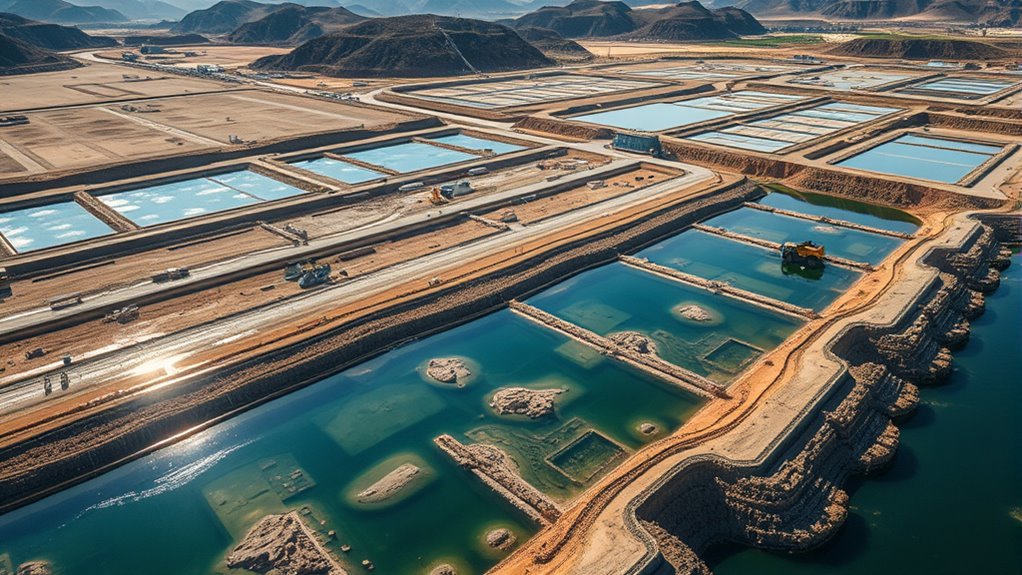
Many myths about sediment management technologies persist, but they often overlook key facts. You might think these solutions are ineffective or limited, yet data consistently proves their success. For example, understanding the importance of technology limits reveals that these systems are designed to adapt to various conditions effectively. Let’s explore common misconceptions, technology limits, and the evidence backing their effectiveness.
Common Misconceptions Clarified
Despite the widespread use of sediment management technologies, several myths persist that can lead to misconceptions and improper application. One common myth is that sediment sampling isn’t necessary before choosing a dredging technique, which can cause costly mistakes. Here’s what you need to know:
- Not all dredging techniques suit every sediment type; proper sampling informs the best choice.
- Sediment sampling isn’t just for contamination; it helps assess volume and composition.
- Some believe dredging always disturbs ecosystems, but targeted methods minimize impact.
- Misunderstanding sediment characteristics can lead to ineffective management strategies.
- Incorporating tuning techniques into sediment management can improve equipment efficiency and reduce environmental impact.
Clearing these misconceptions ensures you select the right tools, optimize sediment staging, and avoid unnecessary expenses. Proper sediment sampling is essential for informed decisions and successful sediment management.
Technology Limitations Explored
While sediment management technologies have advanced considerably, they are not a one-size-fits-all solution. Sensor limitations often restrict accuracy, especially in complex or harsh environments, leading to potential misreadings. These sensors may struggle with sediment variability, debris, or extreme conditions, reducing reliability. Automation challenges also hinder seamless operation; integrating new systems with existing infrastructure can be complex and costly. Additionally, automated processes may require frequent calibration and maintenance, which can offset efficiency gains. Technology isn’t infallible, and reliance solely on sensors and automation can create blind spots or delays. Recognizing these limitations helps you set realistic expectations and ensures you choose the right combination of tools, rather than blindly trusting in technology as a catch-all solution. Furthermore, understanding industry trends can help you stay informed about emerging solutions and potential improvements.
Effectiveness Proven Through Data
Data increasingly demonstrates that sediment management technologies can be highly effective when properly implemented. Recent studies show measurable improvements through sediment sampling and monitoring sediment transport patterns. Here’s what the data reveals:
- Sediment sampling identifies deposition hotspots, enabling targeted interventions.
- Technologies can reduce sediment buildup by up to 50%, improving water flow.
- Monitoring sediment transport helps predict future sedimentation, guiding proactive strategies.
- Long-term data confirms that integrated sediment management lowers maintenance costs and enhances ecosystem health.
- According to beauty store hours, local operations may vary, which emphasizes the importance of tailored sediment strategies for specific sites.
When you rely on solid data, these strategies become clear choices for effective sediment control. The evidence underscores that, with proper application, sediment management technologies deliver proven results rather than myths.
Cost-Effective Strategies That Actually Work
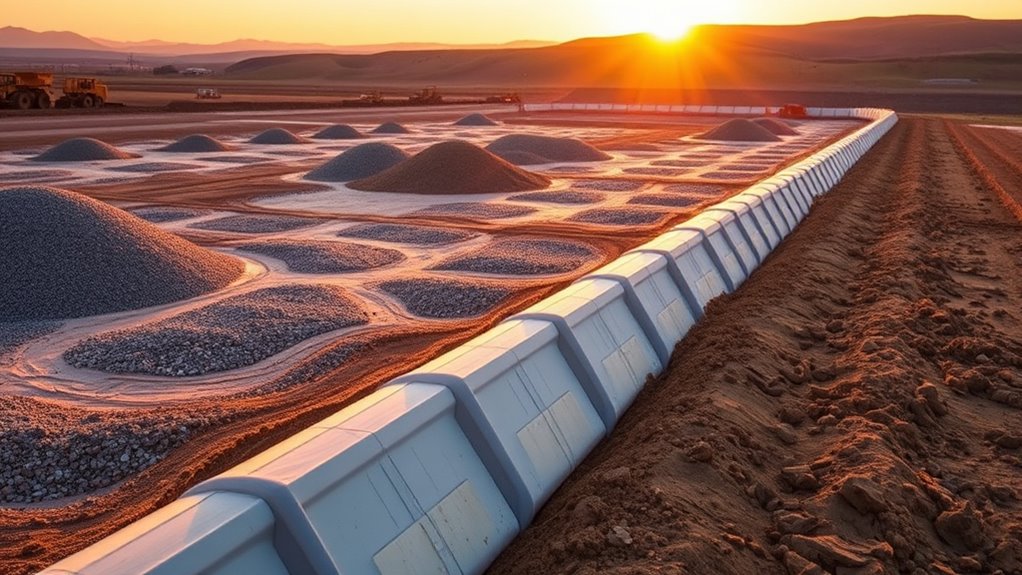
Implementing cost-effective sediment staging strategies is essential for managing expenses without compromising effectiveness. Focus on optimizing sediment dredging processes to reduce unnecessary costs while maintaining efficiency. Conduct thorough cost analysis before starting any project to identify the most economical options. Use targeted dredging techniques that minimize equipment use and fuel consumption, saving money and time. Prioritize staged removal based on sediment buildup patterns to avoid over-dredging areas that don’t need it. Consider employing reusable or environmentally friendly materials to lower material costs. Regularly monitor progress and adjust strategies as needed to prevent budget overruns. Additionally, integrating effective fraud prevention tools can help safeguard project funding and prevent financial losses. By combining precise sediment dredging practices with careful cost analysis, you ensure your sediment staging remains both affordable and effective, delivering results without sacrificing quality.
Environmental Impacts and Regulatory Considerations
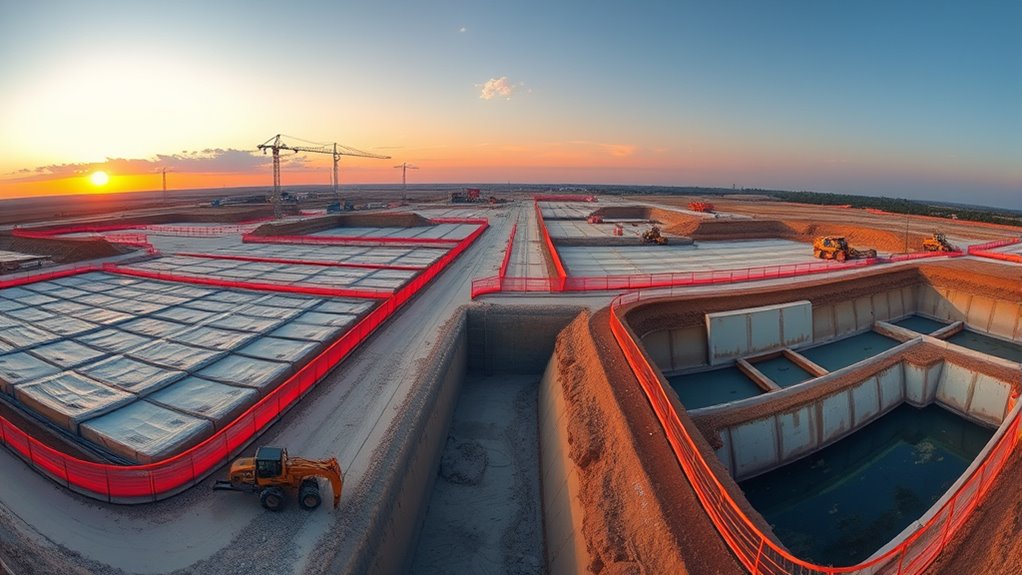
Understanding the environmental impacts and regulatory considerations of sediment staging is crucial for guaranteeing sustainable and compliant operations. Proper planning helps you minimize pollution and protect habitats. Consider these key points:
- Compliance with local, state, and federal regulations ensures you avoid penalties.
- Implementing pollution reduction measures prevents contaminants from leaching into water sources.
- Proper site selection and management preserve surrounding habitats and reduce ecological disruption.
- Regular monitoring guarantees your activities meet environmental standards and adapt to changing regulations.
- Utilizing sediment management techniques can further reduce environmental risks and improve project outcomes.
Practical Tips for Implementing Sediment Staging Plans
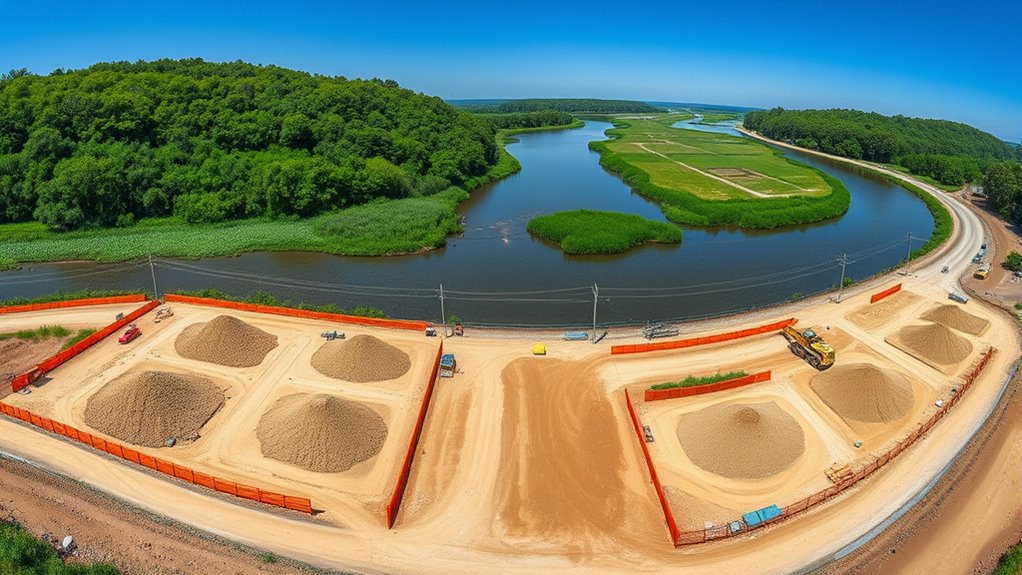
To guarantee your sediment staging plan is effective, start by selecting a suitable site that minimizes environmental impact and facilitates easy access for construction and maintenance. Ensuring good sediment quality is vital; regularly monitor and test sediments to prevent contamination and comply with regulations. Engage stakeholders early in the process to gather insights, address concerns, and foster support. Clear communication helps manage expectations and promotes cooperation throughout implementation. Develop a detailed schedule that accounts for weather, tidal conditions, and maintenance needs to keep the staging process efficient. Keep records of inspections, sediment quality assessments, and stakeholder feedback to track progress and make informed adjustments. Incorporating content discoverability through hashtags and trends can also enhance community engagement and awareness. By prioritizing site selection, sediment quality, stakeholder engagement, and leveraging trending content strategies, you set a strong foundation for successful sediment staging.
Frequently Asked Questions
How Do Sediment Staging Strategies Vary by Geographic Location?
You’ll notice sediment staging strategies vary by geographic location due to regional practices influenced by climate, terrain, and local sediment types. In wetter areas, you might focus on more frequent staging to manage runoff, while arid regions prioritize sediment containment to prevent dust. These geographic variations shape your approach, ensuring you adapt your sediment management to regional conditions, making your strategies more effective and sustainable across different environments.
What Are the Long-Term Benefits of Proper Sediment Management?
Proper sediment management saves you from an avalanche of sediment pollution and erosion chaos. By controlling sediment early, you drastically reduce long-term environmental damage, protect water quality, and preserve ecosystems. This proactive approach guarantees your land stays stable, saving you money on costly repairs and cleanup down the line. Think of it as investing in a fortress against erosion and sediment pollution, securing a healthier, more resilient environment for decades to come.
Can Sediment Staging Be Integrated With Other Environmental Restoration Efforts?
Yes, you can integrate sediment staging with other environmental restoration efforts by focusing on sediment stabilization and policy integration. You should coordinate with local agencies to align regulations and practices, ensuring sediment management supports broader ecosystem goals. By combining these strategies, you enhance habitat restoration, water quality, and flood control, making your efforts more effective and sustainable. This holistic approach maximizes positive environmental outcomes and streamlines resource utilization.
What Training Is Required for Personnel Managing Sediment Removal Projects?
You need specialized training in sediment safety and equipment operation to manage sediment removal projects effectively. This includes understanding proper handling techniques, safety protocols, and environmental considerations to prevent accidents. You should also be familiar with the operation of excavation and sediment management equipment. Regular refresher courses help guarantee you stay current with safety standards and best practices, reducing risks and ensuring project success.
How Do Climate Change Impacts Influence Sediment Accumulation Patterns?
Climate variability profoundly influences sediment accumulation patterns by accelerating erosion and altering water flow. You might think these changes are random, but they actively cause sediment redistribution, leading to unpredictable buildup in certain areas. As temperatures rise and precipitation patterns shift, expect more frequent and intense weather events, which increase sediment transport. Understanding these impacts helps you plan effective sediment management strategies, reducing environmental risks and maintaining water quality amid changing climate conditions.
Conclusion
By cutting through the noise and myths, you can navigate sediment staging with confidence. Remember, effective strategies aren’t just about technology—they’re about understanding the science, costs, and environmental factors involved. Think of these plans as your blueprint for success; when you implement them carefully, you’ll turn sediment challenges into manageable steps. With the right approach, you’ll keep your project on course, proving that knowledge truly is your greatest sediment-stopping tool.