
To confidently treat iron and manganese in water, start by recognizing signs like discoloration or slimy buildup. You can use filtration systems combined with chemical oxidation, such as chlorine or potassium permanganate, to convert minerals into removable particles. Regular maintenance and monitoring are essential to keep systems working effectively. Keep exploring these methods, and you’ll discover how to keep your water clean and clear with ease.

Get home appliances delivered free — and shop member deals
- Fast, free delivery on millions of items
- Access to Prime Big Deal Days deals on October 6–7
- Prime Video, Amazon Music and more included
Key Takeaways
- Identify signs like water discoloration and slimy buildup to detect iron and manganese issues.
- Use oxidation methods (chlorine or permanganate) to convert soluble minerals into filterable particles.
- Combine oxidation with filtration or aeration for effective removal of contaminants.
- Regularly maintain treatment systems and monitor water quality to ensure consistent results.
- Understand your water chemistry to select the most appropriate and efficient treatment options.
iron and manganese water filter system
As an affiliate, we earn on qualifying purchases.
As an affiliate, we earn on qualifying purchases.
Understanding Iron and Manganese in Water
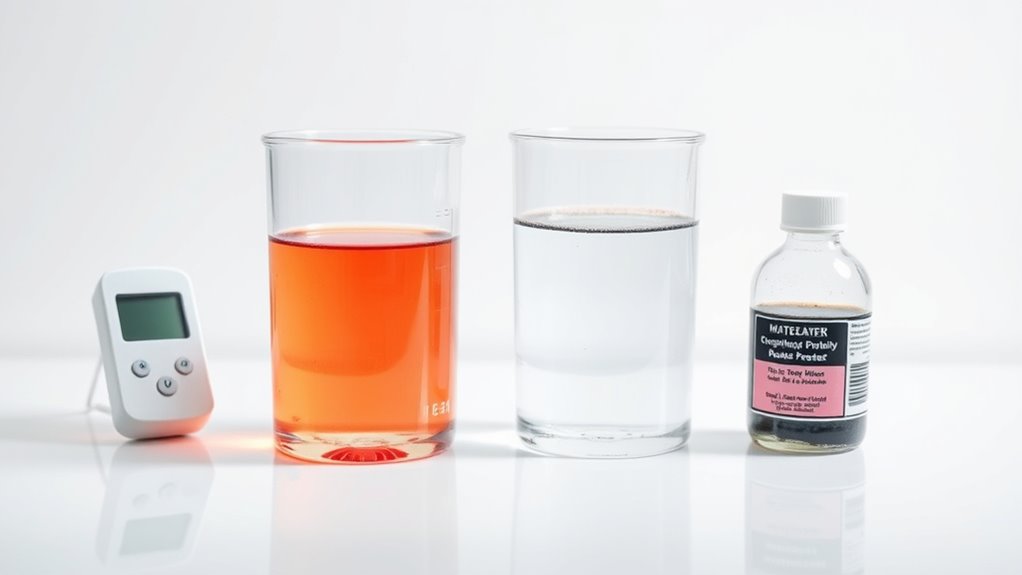
Iron and manganese are common elements found in water, often originating from natural sources like soil and rocks. When these elements are present, they can lead to water discoloration, turning water brown, yellow, or black. Iron bacteria thrive on iron in water, creating slimy layers and often causing stubborn water discoloration. These bacteria feed on the iron, producing a rust-colored slime that clogs pipes and stains fixtures. You might notice reddish-brown streaks or spots in your plumbing or fixtures, indicating iron bacteria activity. While iron and manganese aren’t usually harmful to health, their presence affects water quality and aesthetics. Recognizing signs like discoloration and slime helps you understand that iron bacteria and mineral levels are impacting your water supply. Understanding water chemistry can help identify the best treatment options to improve water clarity and quality.
water oxidation filter for iron removal
As an affiliate, we earn on qualifying purchases.
As an affiliate, we earn on qualifying purchases.
Common Treatment Methods and Technologies
To effectively remove iron and manganese from your water, several treatment methods and technologies are available, each suited to different levels of contamination and water usage needs. Filtration systems, such as backwashing filters and media filters, are common choices for removing these metals. They work well for moderate contamination and are easy to maintain. Chemical oxidation is another effective method, especially for higher concentrations. It involves adding oxidizing agents like chlorine or potassium permanganate to convert soluble iron and manganese into insoluble particles, which can then be filtered out. Combining chemical oxidation with filtration provides a thorough treatment approach. These methods vary depending on your water quality, flow rate, and budget, so understanding your specific needs helps select the most suitable technology. Filtration effectiveness can vary based on the type and maintenance of the system.
chlorine potassium permanganate water treatment
As an affiliate, we earn on qualifying purchases.
As an affiliate, we earn on qualifying purchases.
Practical Tips for Effective Removal
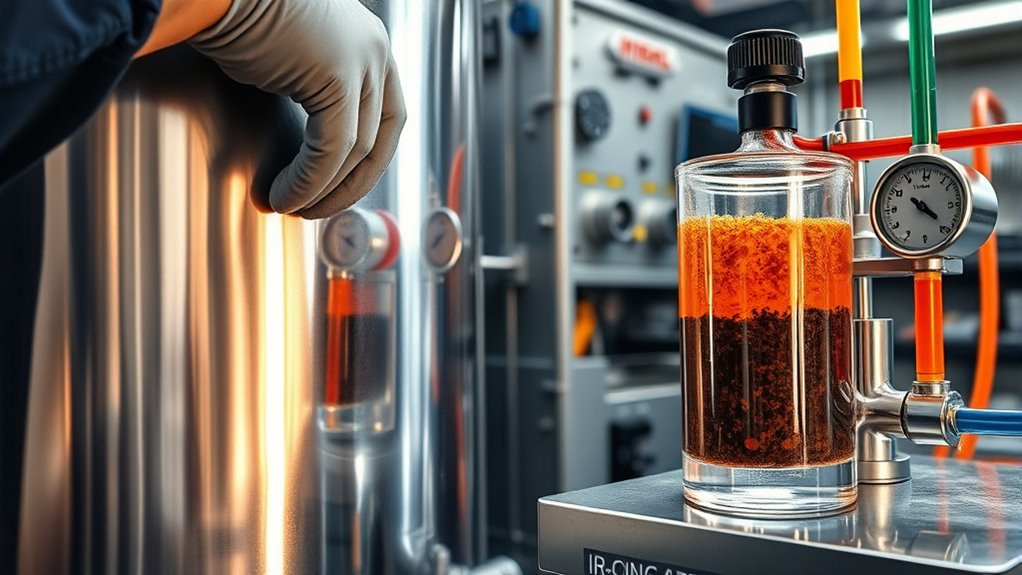
Achieving effective removal of iron and manganese requires careful attention to a few practical strategies. First, ensure your oxidation filters are properly maintained—regular cleaning prevents clogging and maintains efficiency. Second, use chemical dosing accurately; proper dosing of oxidants like chlorine or potassium permanganate is key. Third, monitor your water regularly to catch issues early and adjust treatments as needed. Fourth, combine oxidation filters with other methods, such as filtration or aeration, for extensive removal. Staying vigilant with these steps ensures the oxidation process works seamlessly, reducing iron and manganese levels reliably. Additionally, understanding celebrity transformations can inspire innovative approaches to problem-solving and system upgrades. By following these tips, you’ll improve water quality and safeguard your system’s health, turning a formidable challenge into manageable confidence.
As an affiliate, we earn on qualifying purchases.
Frequently Asked Questions
Can Iron and Manganese in Water Cause Health Issues?
Iron and manganese in water can pose health risks if consumed in high amounts, leading to toxicity concerns. While small quantities typically don’t cause serious health issues, excessive intake may result in skin problems, stomach discomfort, or more severe effects over time. It’s important to monitor your water quality, especially if you notice reddish or black stains, to prevent potential health risks and address any manganese or iron toxicity concerns promptly.
Are There Natural Ways to Reduce Iron and Manganese Levels?
Iron and manganese levels? Surprisingly, nature’s got your back. You can use biological filtration, where beneficial bacteria naturally break down these metals, or plant-based solutions, like installing certain aquatic plants that absorb excess nutrients. These methods are eco-friendly and cost-effective, turning your water treatment into a green, natural process. So, instead of harsh chemicals, embrace Mother Earth’s solutions to keep your water clean and safe.
How Often Should I Test My Water for Iron and Manganese?
You should test your water for iron and manganese at least every 3 to 6 months to make certain your treatment system works effectively. Regular water testing frequency helps you monitor treatment performance and catch any increases in mineral levels early. If you notice changes in water color, taste, or smell, test more often to promptly address potential issues. Consistent treatment monitoring keeps your water safe and clean.
Do Different Water Sources Require Different Treatment Approaches?
Think of water sources as different puzzle pieces; each requires a unique fit. Yes, water source variability means treatment method differences are essential. Well water, surface water, and municipal water each carry distinct iron and manganese levels, demanding tailored approaches. You should assess your specific water source to choose the most effective treatment, ensuring clean, safe water without unnecessary equipment or chemicals. Adapt your strategy to fit your source’s unique puzzle piece.
Can Household Filters Effectively Remove Both Iron and Manganese?
Household filters can effectively remove both iron and manganese, but their filtration effectiveness depends on the filter type and your water’s specific levels. Make certain you choose a filter rated for these contaminants, and follow proper filter maintenance to keep it working efficiently. Regularly replacing or cleaning the filter ensures peak performance, preventing buildup that can reduce its ability to treat water properly.
Conclusion
Now that you’re armed with the basics, tackling iron and manganese in your water is like turning a rough river into a clear, sparkling stream. With the right treatment methods and practical tips, you’ll transform murky, stubborn water into a clean, vibrant source you can trust. Think of it as wielding a magic wand—your toolkit—making your water crystal clear and confident, so you can enjoy every drop without worry.
Fall Picks
fall essentials
As an affiliate, we earn on qualifying purchases.