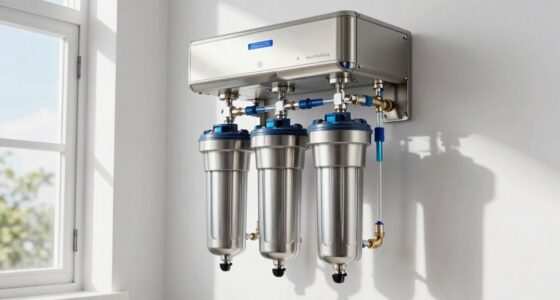
To guarantee code compliance and secure permits when designing water systems, you should familiarize yourself with local building codes and regulations early on. Prepare detailed plans, including engineering drawings and water quality tests, and submit these for approval to relevant authorities. Regular inspections during construction verify adherence to standards, preventing delays and legal issues. Staying proactive and organized helps you create a safe, compliant water system—if you keep going, you’ll learn more about this essential process.

Get home appliances delivered free — and shop member deals
- Fast, free delivery on millions of items
- Access to Prime Big Deal Days deals on October 6–7
- Prime Video, Amazon Music and more included
Key Takeaways
- Familiarize yourself with local building codes and regulations early in the design process.
- Prepare comprehensive permit applications with detailed plans, drawings, and water quality data.
- Incorporate standards for pipe materials, installation techniques, and testing procedures into the design.
- Schedule inspections at key construction milestones to verify compliance with approved plans and standards.
- Maintain detailed documentation of design, testing, and inspections to ensure legal and safety compliance.
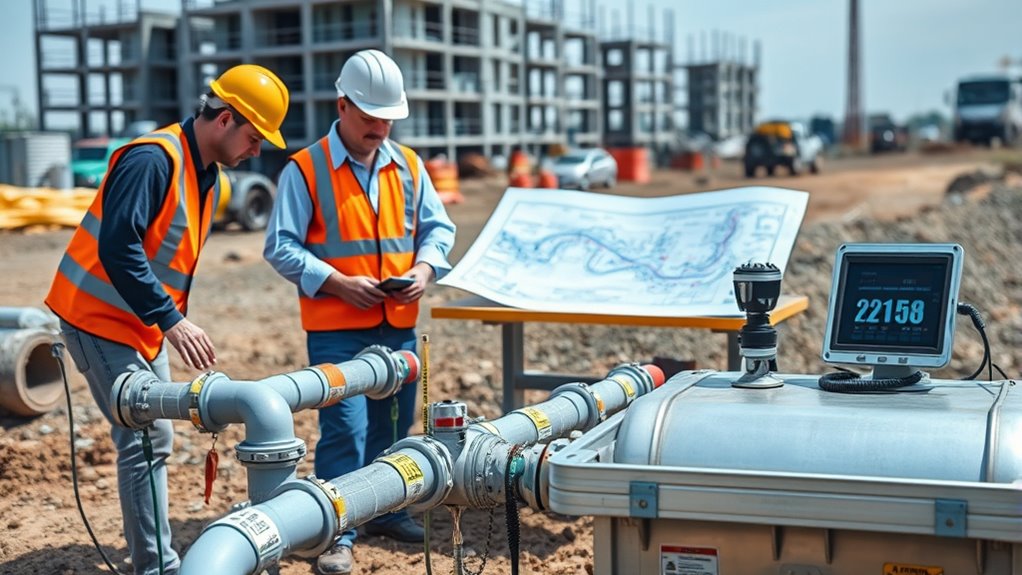
Ensuring your water system meets code compliance and obtains the necessary permits is essential for legal operation and long-term safety. When you’re designing or upgrading a water system, understanding inspection standards is crucial because they establish the benchmarks your system must meet to be considered safe and reliable. These standards typically cover everything from pipe materials and installation techniques to water quality testing procedures. Familiarizing yourself with local building codes and environmental regulations helps you anticipate what inspectors will evaluate during inspections, saving you time and potential rework. It’s wise to consult with local authorities or a licensed engineer early in your planning process to clarify the specific inspection standards applicable to your project, ensuring you build in compliance from the start. Reviewing wiring basics and ventilation considerations can also contribute to overall system compliance and efficiency.
Meeting water system codes and permits ensures safety, compliance, and smooth project progress.
The permit application process is another vital step that you shouldn’t overlook. It involves submitting detailed plans and documentation to your local permitting authority, demonstrating that your water system design aligns with all relevant codes and standards. This process often includes filling out application forms, providing engineering drawings, and sometimes attaching water quality test results or environmental impact assessments. The goal is to prove that your project will not only function efficiently but also protect public health and the environment. You should carefully review the permit requirements and gather all necessary documents before submitting your application to avoid delays. Once your permit is approved, you’ll receive official authorization to proceed with construction or installation.
During the construction or installation phase, inspections are typically scheduled at key milestones to verify compliance with approved plans and standards. These inspections might include checking pipe installations, verifying proper backflow prevention measures, and ensuring water quality testing is conducted according to set procedures. It’s important that you coordinate with inspectors beforehand and ensure your team is prepared for these evaluations, as passing inspections is often required before moving to subsequent stages or obtaining final certification.
Failing to adhere to inspection standards or neglecting the permit application process can lead to project delays, fines, or even legal issues that threaten the viability of your water system. Staying proactive about understanding local regulations, maintaining detailed records, and complying with all inspection requirements helps you avoid costly setbacks. Ultimately, thorough planning and diligent adherence to the permit application process and inspection standards not only keep your project on track but also ensure your water system operates safely and legally for years to come.
water system permit application kit
As an affiliate, we earn on qualifying purchases.
As an affiliate, we earn on qualifying purchases.
Frequently Asked Questions
How Often Do Water System Permits Need Renewal or Updates?
You typically need to renew your water system permit every 1 to 3 years, depending on local regulations. During this period, you should perform regular water testing to verify safety and compliance. If issues are found, you might need to update your water system or resubmit permit renewal paperwork. Staying current with permit renewal schedules and conducting water testing helps prevent violations and maintains safe, reliable water supply.
Are There Specific Local Codes That Override National Water System Regulations?
Yes, local amendments and regional standards can override national water system regulations. You need to check with your local authorities because they might have specific codes or updates that take precedence. These local rules often address regional climate, geography, or infrastructure needs, so it’s essential to stay informed. Always review local amendments before designing or modifying water systems to guarantee full compliance and avoid potential legal issues.
What Are Common Penalties for Non-Compliance With Water System Permits?
If you don’t comply with water system permits, you could face penalty fines and enforcement actions. Local authorities often impose fines for violations, which can add up quickly, and may also take enforcement measures like shutting down your system or requiring corrective actions. Non-compliance can lead to legal issues, increased costs, and delays in your project, so it’s vital to follow all permit requirements and stay updated on local regulations.
Can Permits Be Transferred if Property Ownership Changes?
Think of a permit transfer like passing a baton in a relay race—you can do it if there’s an ownership change. When ownership changes, you need to request a permit transfer to the relevant authority. This process guarantees the new owner assumes responsibility for compliance. Always check local regulations, as procedures may vary, but generally, a permit transfer is possible with proper documentation during an ownership change.
What Documentation Is Required for the Permit Application Process?
When applying for a permit, you need to submit detailed documentation, including water quality testing results and maintenance documentation. These verify your system meets health and safety standards. Be prepared to provide site plans, system specifications, and proof of compliance with local codes. Ensuring these documents are complete and accurate helps streamline the permit process, avoiding delays and ensuring your water system adheres to all necessary regulations.
water quality testing kits for homes
As an affiliate, we earn on qualifying purchases.
As an affiliate, we earn on qualifying purchases.
Conclusion
While it might seem tedious to navigate codes and permits, neglecting them can lead to costly delays or dangerous failures. Ironically, what’s meant to protect your water system often becomes the very obstacle you avoid. By prioritizing compliance from the start, you save yourself time, money, and headaches down the line. So, embrace the paperwork — because ignoring it might just be the biggest mistake you’ll wish you’d avoided.
pipe installation inspection tools
As an affiliate, we earn on qualifying purchases.
As an affiliate, we earn on qualifying purchases.
As an affiliate, we earn on qualifying purchases.
NFL season / tailgating Picks
team gear
As an affiliate, we earn on qualifying purchases.