To succeed in sediment staging, focus on understanding different sediment types and environments. Set clear goals and keep your plans simple and flexible to adapt to changes. Start small, monitor progress frequently, and use consistent sampling methods. Document every step carefully, be patient, and learn from mistakes. Regular feedback helps you refine your approach. If you keep these rules in mind, you’ll develop effective strategies—more tips await if you continue exploring.
Key Takeaways
- Understand sediment types and depositional environments to inform effective staging strategies.
- Set clear objectives, success metrics, and follow consistent procedures for reliable data collection.
- Keep plans simple and adaptable, adjusting to site changes and ongoing assessments.
- Monitor sediment chemistry regularly, learn from mistakes, and incorporate feedback for continuous improvement.
- Use standardized sampling methods with proper equipment calibration and documentation to ensure reproducibility.

Bluevua Official RO100ROPOT 4-Pack Replacement Filter Set, Pack of 1 PP Filter and 1 CTO Filter and 1 RO Filter and 1 PCF Filter
COMPREHENSIVE FILTRATION KIT: The 4-Pack Replacement Filter Set for the RO100ROPOT consists of a Polypropylene (PP) filter, Coconut...
As an affiliate, we earn on qualifying purchases.
Understand Your Sediment Types

To effectively stage sediments, you first need to comprehend the different types you’re dealing with. Sediment composition varies widely, including sand, silt, clay, and gravel, each with unique properties that influence their behavior during staging. Recognizing these differences helps you predict how sediments will settle and interact in various depositional environments. For example, coarse sediments like gravel often settle quickly in high-energy settings, while finer particles such as clay remain suspended longer in low-energy environments. Additionally, understanding how layering impacts sediment distribution can guide your staging strategy. By understanding the characteristics associated with different depositional environments—rivers, lakes, ocean floors—you can better plan your staging process. Knowing your sediment types ensures you select suitable techniques, prevent mixing issues, and achieve more accurate, efficient staging results.

GIOTOHUN Cat Water Fountain Filter Replacement: 12 Cat Fountain Filter - 12 Pet Fountain Filter - 6 Carbon Filters & 6 Foam Filters - Suitable for GIOTOHUN Stainless Steel Cat Fountain S11
【Correct match】This filter is matched with GIOTOHUN 2.2 L stainless steel cat water dispenser
As an affiliate, we earn on qualifying purchases.
Prioritize Clear Objectives
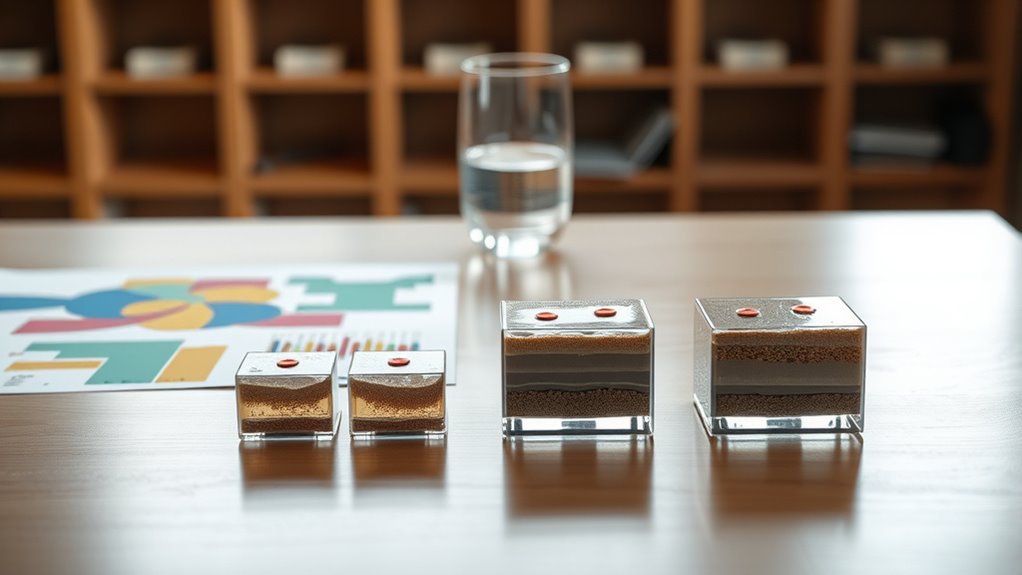
You need to set clear, specific goals for your sediment staging project to stay on track. Define what success looks like so you can measure progress effectively. By doing this, you’ll guarantee your efforts align and achieve the desired outcomes efficiently. Recognizing gaslighting tactics used by narcissists can help you better understand potential challenges during your project.
Set Specific Goals
Setting specific goals is essential for a successful sediment staging project. You need to clearly define what you want to achieve, whether it’s measuring sediment depth accurately or understanding how sediment layers change over time. Determine the appropriate sampling frequency to gather meaningful data without overextending resources. By setting concrete objectives, you’ll know exactly where to focus your efforts and how often to collect samples. This clarity helps prevent unnecessary work and ensures your data is consistent and reliable. Establishing specific goals also guides you in choosing the right tools and techniques, making your project more efficient. For example, understanding the horsepower of electric dirt bikes can help you select suitable equipment for transportation or fieldwork. Ultimately, well-defined goals keep you on track and improve your chances of achieving valuable insights from your sediment staging efforts.
Define Success Metrics
Clear success metrics turn your specific goals into actionable benchmarks. To do this, focus on measurable outcomes that reflect sediment chemistry changes or contamination levels. Define what indicates progress, such as reduction in pollutant concentration or improved sediment quality. Use sampling equipment efficiently to gather consistent data, guaranteeing your metrics are reliable. Keep these points in mind:
- Establish target thresholds for sediment chemistry parameters based on regulatory standards
- Track sampling frequency and equipment calibration to ensure data accuracy
- Set timelines for achieving specific improvements, adjusting as needed based on initial results
- Incorporate projected benchmarks to better anticipate future sediment quality improvements.

ZeroWater Official Replacement Filter - 5-Stage 0 TDS Water Filter Replacement IAPMO Certified to Reduce Lead, Chromium, and PFOA/PFOS 4-Pack
ZeroWater Filter Replacement Pack: Each filter has an estimated 15 Gallon Filter Life, but filter life can vary...
As an affiliate, we earn on qualifying purchases.
Keep It Simple and Flexible
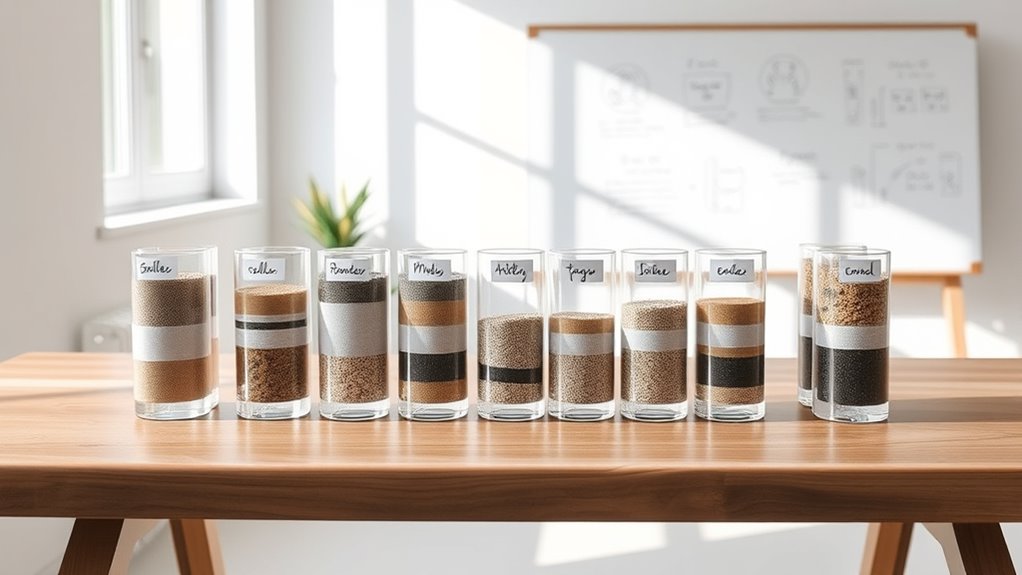
Keeping your sediment staging plan simple helps you stay focused and avoid unnecessary complications. Flexibility allows you to adjust as site conditions change, ensuring your strategy remains effective. By prioritizing clear goals and being adaptable, you set yourself up for smoother project progress. Incorporating best practices for project management can further enhance your staging approach.
Prioritize Clear Goals
When planning your sediment staging strategy, focusing on simple and flexible goals can make the process more manageable. Clear objectives help you stay focused on key aspects like sediment composition and sampling frequency, ensuring consistent data collection. To keep things straightforward, set goals such as understanding sediment layering, tracking changes over time, and maintaining adaptable sampling schedules. Additionally, incorporating bedroom design principles can inspire more organized and effective sediment management practices.
Adapt to Site Changes
Adapting to site changes is essential for a successful sediment staging strategy because natural environments are constantly evolving. You need to stay flexible, relying on ongoing site assessment and stakeholder engagement to guide adjustments. Changes like sediment accumulation, erosion, or unexpected land shifts can impact your plan. To visualize this, imagine:
| Site Condition | Response Strategy |
|---|---|
| Erosion increases | Reinforce barriers or adjust staging locations |
| Sediment buildup | Expand the staging area or reroute flows |
| Storm events | Temporarily halt work and reassess |
| Stakeholder feedback | Incorporate suggestions into your plan |
Remaining adaptable ensures your strategy remains effective and sustainable, even as conditions shift. Regular site assessment and stakeholder engagement keep you ahead, allowing swift modifications that keep your sediment staging on track. Additionally, understanding environmental dynamics helps anticipate future changes and prepare appropriate responses.

Aquatec 8800 Booster Pump Kit for up to 200 GPD RO Reverse Osmosis water filtration system for both standard and manifold type systems 8852-2J03-B424 PSW-340 Made in USA
This pump kit includes Aquatec high flow booster pump 8852-2J03-B424 with heavy duty steel base plate with damper,...
As an affiliate, we earn on qualifying purchases.
Start Small and Scale Up

Starting with a small sediment staging project allows you to gain practical experience and understand the specific needs of your site. By beginning small, you can observe sediment transport patterns and refine layering techniques without risking large-scale failures. This approach helps you identify what works best in your environment before scaling up. Focus on establishing stable, manageable systems that can adapt as you learn. Additionally, monitoring industry trends ensures your strategies stay effective and innovative. Consider these key points: – Test different layering techniques to control sediment flow effectively – Observe how sediment transport varies with weather and flow conditions – Use small-scale projects to troubleshoot potential issues early Gradually increasing your project size lets you build confidence and develop a robust sediment staging strategy tailored to your site’s dynamics.
Monitor and Adjust Regularly
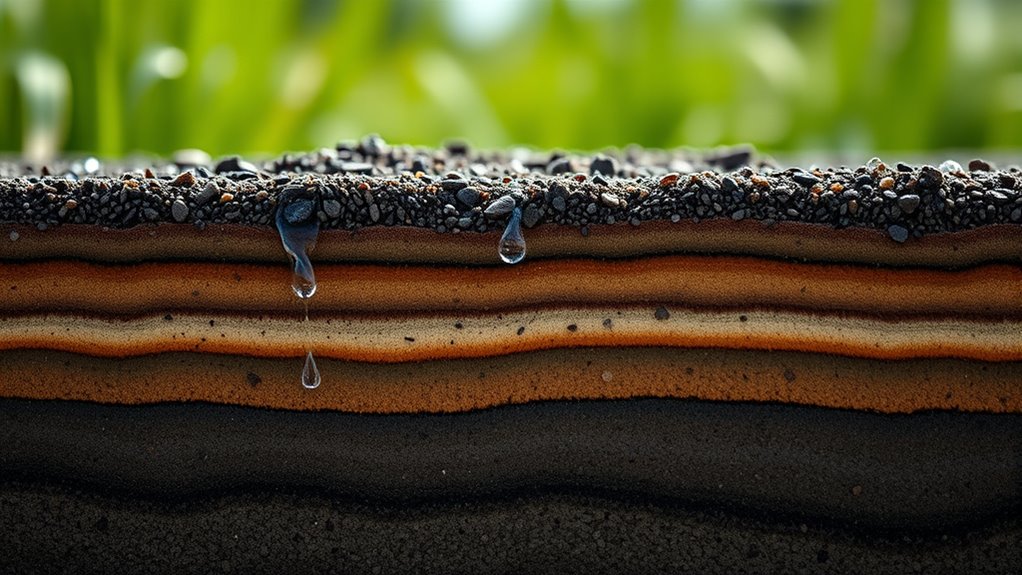
To guarantee your sediment staging remains effective, you need to monitor its performance consistently and make adjustments as needed. Regularly check sediment chemistry to identify changes that could impact your process. Use reliable sampling equipment to collect accurate data, ensuring consistency over time. Tracking key indicators helps you spot trends and fine-tune your strategy. Additionally, understanding dog names can sometimes inspire creative ideas for naming or categorizing different stages in your process.
Maintain Consistent Sampling Methods
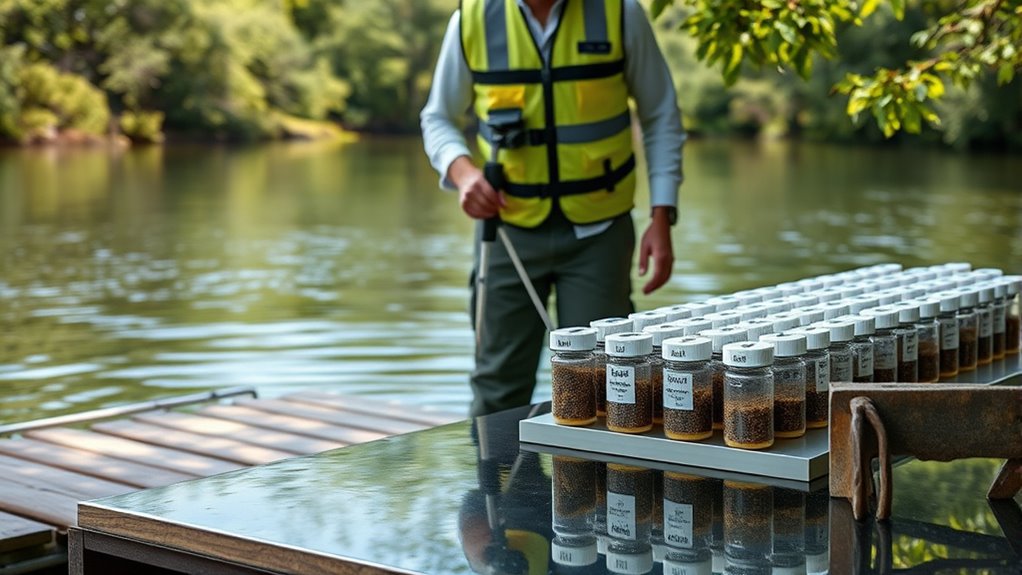
Maintaining consistent sampling methods is essential to guarantee accurate and comparable data over time. When you stick to the same procedures, your sampling frequency remains reliable, and data accuracy improves. Consistency minimizes variability caused by changing techniques, ensuring your results truly reflect sediment conditions. To achieve this, consider:
- Using the same equipment and calibration processes each time
- Conducting sampling at regular, predefined intervals
- Following identical procedures for sample collection, storage, and processing
- Incorporating standardized yoga techniques when designing protocols to promote reliability and repeatability in your sediment sampling process
Document Every Step

Keeping detailed records of every step in your sediment sampling process is essential for ensuring data integrity and reproducibility. Accurate documentation helps track sampling variability and supports effective data visualization later. Record details like location, time, equipment used, and conditions. Use a consistent format to compare results and identify inconsistencies. Here’s a simple example:
| Step | Description | Notes |
|---|---|---|
| Sampling location | Coordinates and site details | GPS accuracy, site features |
| Equipment used | Type and calibration status | Sample container type |
| Sampling time | Date and time | Weather conditions |
| Sample handling | Preservation and labeling | Storage conditions |
| Data recording | Notes and initial observations | Sampling variability notes |
This thorough documentation enhances data visualization and helps detect patterns or anomalies.
Be Patient and Persistent
Starting sediment sampling can be frustrating when progress feels slow or results are inconsistent, but patience and persistence are essential for success. Timing considerations play a pivotal role; rushing can lead to inaccurate data, while waiting too long might cause missed opportunities. Consistent stakeholder communication keeps everyone informed and manages expectations, preventing misunderstandings. To stay committed, focus on:
Patience and communication are key to successful sediment sampling progress.
- Carefully monitoring sampling schedules and adjusting as needed
- Maintaining open dialogue with stakeholders for feedback and updates
- Recognizing that progress may be incremental, requiring ongoing effort
Learn From Mistakes and Seek Feedback
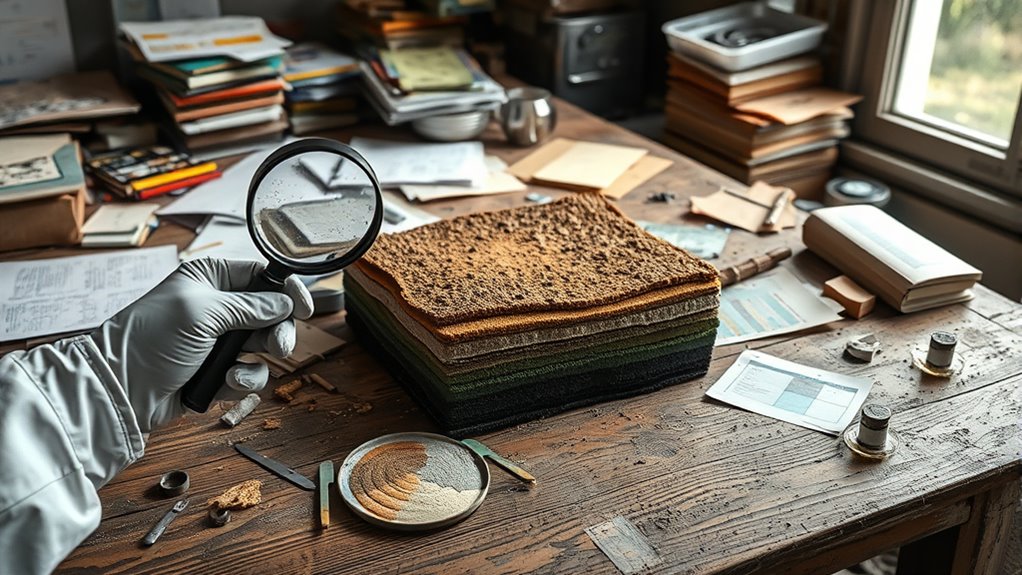
When you encounter mistakes in sediment sampling, view them as valuable learning opportunities rather than setbacks. Analyzing your mistakes helps you understand what went wrong and how to improve. Practice mistake analysis by honestly reviewing your sampling process and identifying areas for correction. Seek feedback from experienced colleagues or mentors; their insights can reveal blind spots and offer new strategies. Incorporate feedback into your workflow, adjusting techniques and refining your approach. Remember, every mistake is a stepping stone toward mastery. Embracing this mindset keeps you motivated and proactive. By learning from mistakes and actively seeking feedback, you’ll develop more accurate, reliable sediment staging strategies. This continuous improvement cycle ultimately helps you become more confident and competent in your field.
Frequently Asked Questions
How Do I Choose the Right Sediment Sampling Equipment?
You choose the right sediment sampling equipment by considering your sampling techniques and the sediment type. Opt for tools like grab samplers or core samplers based on depth and sediment consistency. Guarantee proper equipment maintenance to keep samples uncontaminated and accurate. Also, evaluate the environment—whether water flow or sediment stability—and select durable, easy-to-clean gear that suits your specific needs for reliable results.
What Are Common Mistakes Beginners Make in Sediment Staging?
You often make the mistake of rushing your sampling technique, which can lead to contamination and skewed results. To avoid this, take your time, guarantee tools are properly sterilized, and handle samples carefully. Remember, contamination prevention is vital. Double-check equipment, use proper containers, and follow a consistent process. These steps help you get accurate sediment staging data and improve your overall sampling accuracy.
How Often Should I Conduct Sediment Sampling?
Imagine a steady stream flowing gently past your site—consistent sampling frequency keeps you in tune with its rhythm. You should conduct sediment sampling regularly, ideally every 3 to 6 months, to guarantee accurate site monitoring. This consistent approach helps you catch changes early, preventing surprises. Adjust the frequency based on sediment activity, weather patterns, and project needs, so you stay ahead of potential issues in your sediment management plan.
What Are the Costs Associated With Sediment Staging Strategies?
The costs of sediment staging strategies vary based on your project scope, sampling frequency, and equipment needs. You should conduct a thorough cost analysis to identify expenses like labor, materials, and laboratory testing. Incorporate these findings into your budget planning to make sure you allocate enough funds for ongoing sampling and analysis. Being proactive with cost management helps you avoid surprises and keeps your sediment staging project on track financially.
How Can I Ensure Data Accuracy During Sampling?
To guarantee data accuracy during sampling, you should carefully monitor sediment depth and maintain consistent sampling frequency. Use precise tools to measure sediment depth accurately each time, and stick to a regular schedule to avoid variability. Document your procedures thoroughly, double-check your measurements, and train your team well. These steps help minimize errors and ensure your sediment data remains reliable and comparable over time.
Conclusion
Remember, mastering sediment staging is like tending a garden—you start small, stay patient, and adapt as you learn. I once lost a sample because I rushed, but that mistake taught me to observe carefully and adjust my approach. Just like nurturing plants, your efforts will pay off over time. Stick with these rules, stay persistent, and watch your understanding grow—your sediment staging journey will flourish, just like a well-tended garden.