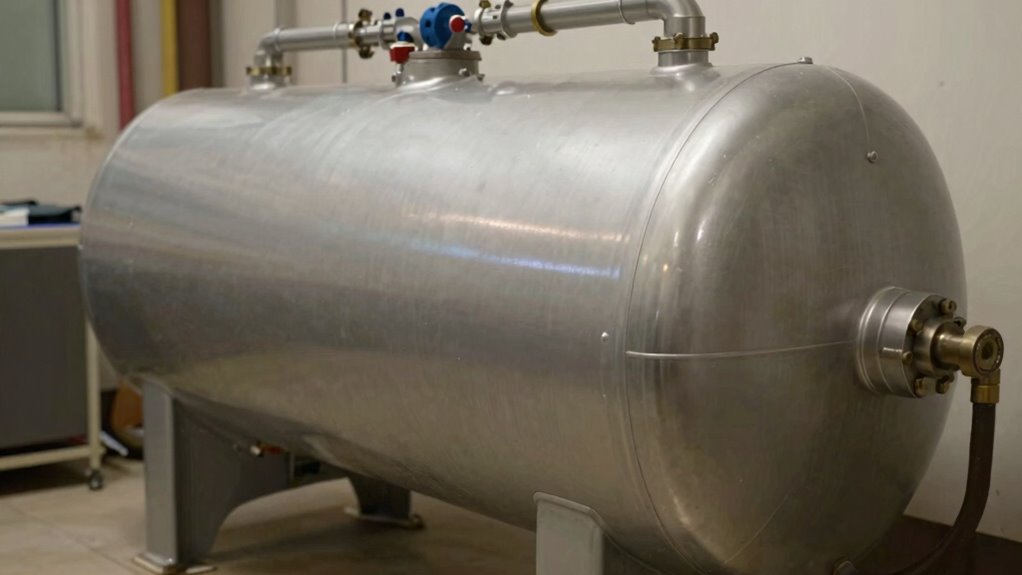

If you have very hard water or a large household, a 64,000-grain softener can be a smart choice. It handles more mineral buildup, requires fewer regeneration cycles, and helps protect your appliances and pipes. Bigger softeners provide consistent water quality and last longer, saving you money in the long run. If you want to learn when choosing a larger unit makes the most sense, keep going to find out more.
Key Takeaways
- Larger softeners are ideal for households with high water hardness levels to prevent frequent regeneration.
- They are suitable for big households to accommodate higher mineral loads efficiently.
- Bigger capacity units reduce the number of regeneration cycles, saving time and operating costs.
- When water contains excessive minerals, a larger softener ensures consistent water quality and appliance longevity.
- Investing in a bigger softener makes sense for long-term cost savings and minimizing maintenance.
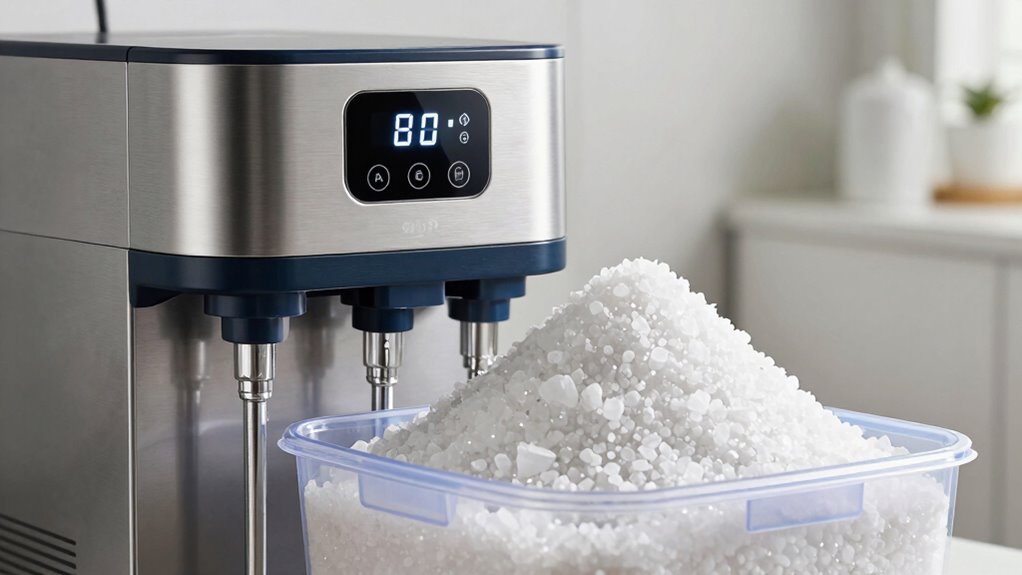
Have you ever wondered whether the grain count in your flour truly matters? When it comes to water softeners, the same question applies—does a higher grain capacity actually make a difference? If you’re dealing with very hard water, the answer is a resounding yes. Water hardness, caused by high mineral content like calcium and magnesium, can wreak havoc on your plumbing and appliances, and it affects how well soaps and detergents work. A larger grain capacity softener can handle more mineral buildup before needing a regeneration, meaning fewer disruptions in your daily routine and more consistent water quality.
A higher grain capacity softener handles more minerals, reducing disruptions and improving water quality in your home.
When you opt for a softener with a 64,000-grain capacity, you’re choosing a system designed for heavy-duty use. This size makes sense if you have a large household or if your water is particularly hard. In these cases, smaller softeners might struggle to keep up, leading to frequent regenerations that waste salt and water. Larger capacity units, however, are more efficient overall. They require less frequent regeneration, which means you save on salt and water over time. This isn’t just about convenience; it’s about optimizing salt efficiency. Using salt wisely helps you cut costs and reduces the environmental impact, especially when your softener is working at its full capacity without unnecessary regeneration cycles.
You might think that bigger softeners are overkill for your needs, but considering water hardness levels can change that perspective. If your water tests high in minerals, a larger grain softener is a smart investment. It ensures your appliances last longer, your soap lathers better, and your hair and skin feel softer. Plus, with a bigger softener, you reduce the risk of mineral buildup in pipes and fixtures, which can cause clogs and damage over time. Recognizing water hardness levels can help you decide if a higher capacity softener is right for you. Additionally, understanding how mineral content impacts your system can guide you toward more sustainable and cost-effective choices. Knowing the effects of mineral buildup can help you prioritize a softener that meets your specific needs.
In the end, choosing a softener with a higher grain capacity isn’t just about size; it’s about efficiency and long-term performance. You’ll notice fewer interruptions, less salt consumption, and better water quality. When water hardness is a serious concern, bigger softeners make sense because they provide a buffer, handling your water’s mineral load more effectively. So, if you’re facing tough water day in and day out, considering a 64,000-grain softener might be the smart move to keep your household running smoothly.

Aquasure Harmony Series Grains Whole House Water Softener with High Performance Automatic Digital Metered Control Head | Reduces Hardness & Minerals (64,000 Grains)
💧【 PERFECTLY DESIGNED FOR 4 OR MORE BATHROOMS 】The Aquasure Harmony Series is the professional grade water softener…
As an affiliate, we earn on qualifying purchases.
As an affiliate, we earn on qualifying purchases.
Frequently Asked Questions
How Long Do High-Capacity Water Softeners Typically Last?
High-capacity water softeners typically last 10 to 15 years, depending on maintenance frequency and lifespan factors like water usage and water quality. If you regularly maintain your system, including salt refilling and cleaning, it can extend its lifespan. Heavy water usage or poor water quality may shorten it. Keep an eye on performance and schedule routine maintenance to maximize your softener’s longevity and guarantee consistent, efficient operation.
Are Larger Softeners More Energy-Efficient Than Smaller Models?
Larger softeners are like a well-oiled machine, often more energy-efficient than smaller models. They use less energy per grain of hardness removed, especially during regeneration cycles. When considering alternative installation options, bigger units may save you money over time despite a higher upfront cost. A thorough cost comparison reveals that, although initially pricier, larger softeners can reduce energy bills, making them a smart, eco-friendly choice for heavy water usage.
What Maintenance Is Required for 64,000-Grain Softeners?
You’ll need to periodically replenish the salt in your 64,000-grain softener to guarantee it functions properly. Additionally, resin cleaning is essential to maintain peak performance, especially if you notice a drop in softening efficiency. Regular maintenance also involves inspecting for salt bridging or clogging, cleaning the brine tank, and checking for any leaks. Staying on top of these tasks keeps your softener running smoothly and prolongs its lifespan.
Can Bigger Softeners Handle All Types of Water Hardness?
Bigger softeners can handle most types of water hardness, but they aren’t a cure-all. Water hardness myths often lead people to oversize systems unnecessarily. Softener sizing tips suggest matching your unit to your household’s water usage and hardness level. If your water has extremely high hardness, a larger softener helps prevent frequent regeneration and guarantees consistent softening. However, always assess your specific water conditions before choosing a bigger unit.
How Do I Determine the Right Grain Capacity for My Household?
Like a skilled musician tuning their instrument, you should match your softener’s grain capacity to your household’s water hardness and daily water usage. Check your water test results to determine hardness levels, then estimate your daily water consumption. Choose a softener with a capacity that comfortably exceeds this, ensuring a longer softener lifespan and consistent performance. This way, you prevent overworking your unit and maintain ideal water quality.

Kenmore 420 Water Softener System – 40,000 Grain Capacity with Salt Saving Technology – Whole Home Hard Water & Iron Reduction – Compact, Easy Install
Perfect for Larger Families: Designed for households of 1–5 people with tough water challenges. The Kenmore 420 softens…
As an affiliate, we earn on qualifying purchases.
As an affiliate, we earn on qualifying purchases.
Conclusion
As you stand before your softener, imagine it as a sturdy fortress guarding your home’s water. When it’s time to upgrade, it’s like fortifying those walls with extra bricks—bigger, stronger, ready to face the relentless tide of minerals. Choosing a larger softener isn’t just about capacity; it’s about ensuring your daily routines flow smoothly, like a gentle stream unburdened by sediment. In the end, bigger softeners protect your home’s delicate balance, keeping your water pure and your life uninterrupted.
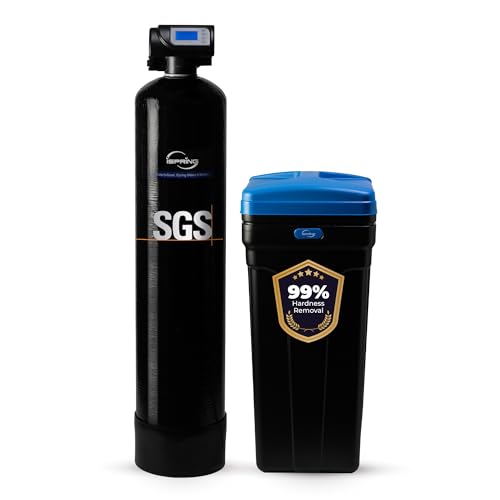
iSpring WCSTB45KG 45,000 Grains Whole House Water Softener with Brine Tank
Enjoy Softened Water for the Whole House: The iSpring WCSTB45KG whole house water softener system offers a 45,000…
As an affiliate, we earn on qualifying purchases.
As an affiliate, we earn on qualifying purchases.

Water Softener Control Valve, 5600SM Flow Type Softening Water Softener Timer Filter Control Head Valve, 110V Automatic Digital Control Valve for Water Filter Softener Resin Tank
★High-Efficiency Water Softening: This digital control valve for water softener can soften the water hardness from 0.8 to…
As an affiliate, we earn on qualifying purchases.
As an affiliate, we earn on qualifying purchases.