
Smart recirculation systems only help if your plumbing loop is properly designed because the effectiveness depends on reducing travel distance, avoiding unnecessary bends, and ensuring good insulation. If your loop is poorly planned, you’ll still waste water and energy, no matter how smart the system is. Proper layout minimizes delays and heat loss, making the system truly efficient. Keep going to discover how a well-structured loop can maximize your hot water comfort.

Get home appliances delivered free — and shop member deals
- Fast, free delivery on millions of items
- Access to Prime Big Deal Days deals on October 6–7
- Prime Video, Amazon Music and more included
Key Takeaways
- Smart recirculation systems rely on proper loop design to ensure rapid hot water delivery and reduce waste.
- If the plumbing loop is poorly designed, smart recirculation can’t effectively minimize wait times.
- Correct loop layout minimizes resistance and hot water travel distance, maximizing recirculation efficiency.
- Proper insulation and material choices in the loop are essential for the system to conserve energy.
- Regular maintenance ensures the recirculation system functions as intended within an optimized loop setup.
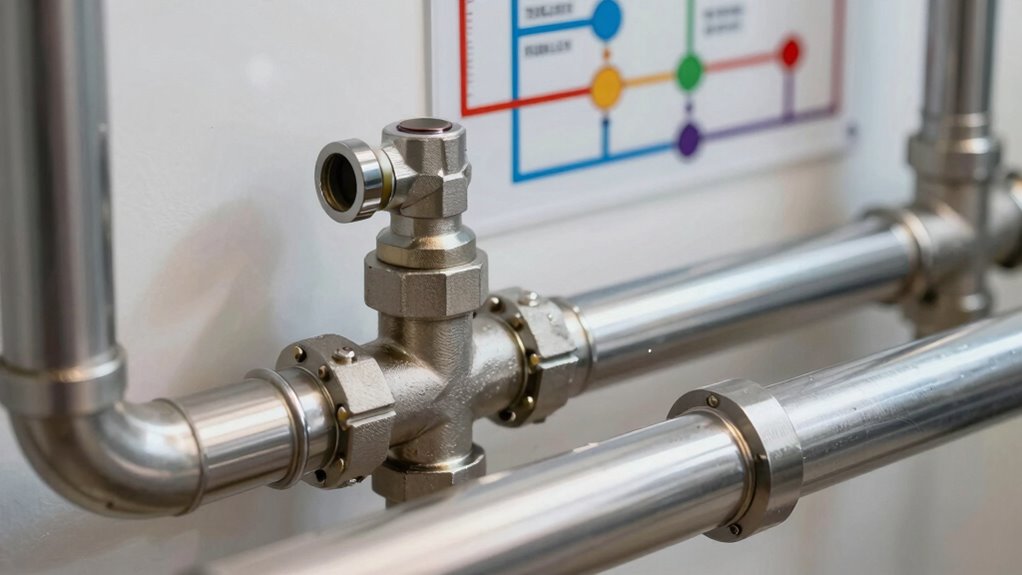
Have you ever wondered how to guarantee hot water is always readily available at your taps? One popular solution is a hot water recirculation system, which keeps hot water circulating through your plumbing so it’s instantly accessible when you turn on the tap. While this might sound straightforward, the real effectiveness depends heavily on whether your plumbing loop is set up correctly. Without a properly designed loop, even the smartest recirculation system can fall short of its potential.
A hot water recirculation system only works well if your plumbing loop is correctly designed and maintained.
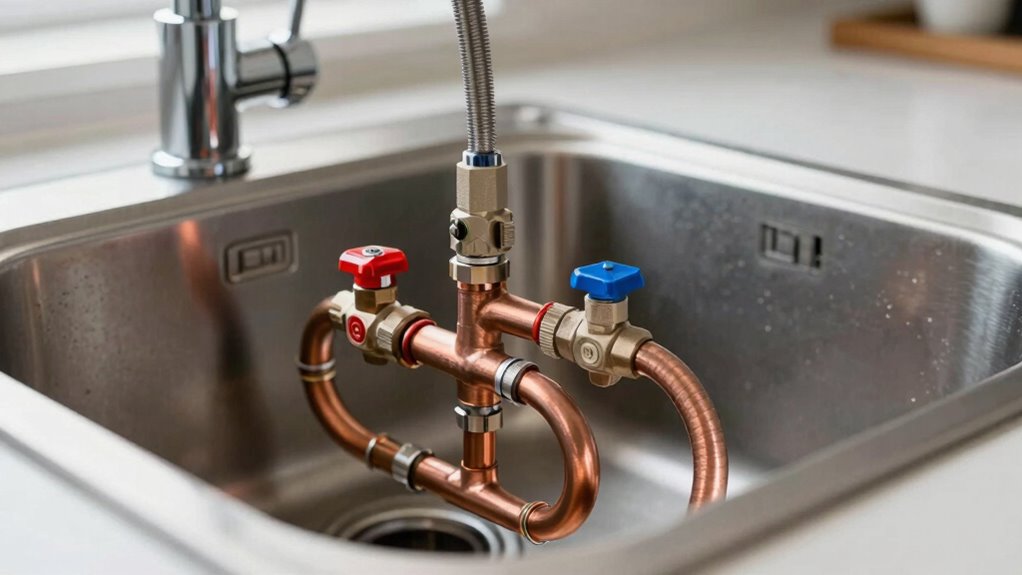
The key to making a recirculation system work efficiently is ensuring the plumbing loop is correctly configured. If the loop is too long, poorly insulated, or has unnecessary bends, it can cause delays and waste energy. When hot water has to travel a greater distance or encounters resistance, it takes longer to reach your tap, defeating the purpose of instant hot water. Proper insulation of the loop is vital here; it prevents heat loss as water circulates, helping you save energy and maintain consistent water temperature. If your loop isn’t insulated, you’ll end up wasting energy as the system works harder to keep water hot, and you’ll still experience delays. Additionally, system design plays a crucial role in optimizing efficiency and performance. A well-planned plumbing layout** can significantly reduce energy consumption and improve overall system effectiveness. Ensuring your system includes proper materials can also minimize energy loss and improve durability over time. Regular system maintenance is equally important to keep all components functioning at their best. Proper installation practices are essential to avoid common issues like leaks** or improper flow, which can compromise system efficiency.
Furthermore, a well-designed plumbing loop with the right materials and layout minimizes energy loss and maximizes convenience. It ensures hot water is always close enough to taps, reducing wait times and water waste. Proper system maintenance keeps everything running smoothly, avoiding costly repairs and energy drain caused by neglect. When both elements—correct plumbing loop design and diligent maintenance—are in place, your recirculation system becomes a truly effective solution for instant hot water. You’ll enjoy the convenience without sacrificing energy efficiency, making your home more comfortable and eco-friendly.
In short, a smart recirculation system only delivers on its promise if your plumbing loop is correctly set up and properly maintained. Without these essential steps, you risk wasting energy, losing hot water efficiency, and facing unnecessary system failures.
As an affiliate, we earn on qualifying purchases.
Frequently Asked Questions
How Do I Know if My Plumbing Loop Is Correctly Configured?
You know your plumbing loop is correctly configured if your smart recirculation system works efficiently, with consistent hot water flow and minimal delay. Check pump compatibility to confirm your pump matches your system’s requirements. Inspect the loop configuration—look for proper placement of check valves, correct pipe routing, and a sealed, closed loop. If these elements are right, your system should function at its best, saving water and energy.
What Signs Indicate a Recirculation System Isn’t Working Properly?
If your recirculation system isn’t working properly, you’ll notice inconsistent water pressure—sometimes strong, sometimes weak—especially at distant fixtures. You might also see increased waiting times for hot water or cold spots. Check if your pipes are well insulated; poor insulation can cause heat loss, making the system less efficient. These signs suggest your plumbing loop might need adjustments or better insulation to function correctly.
Can Recirculation Help Reduce Water Wastage in Any Setup?
Yes, recirculation can help reduce water wastage if your plumbing system is properly designed. By ensuring hot water is available instantly, you avoid running taps unnecessarily, promoting water conservation. Efficient recirculation boosts plumbing efficiency, saving both water and energy. However, for the best results, make sure your system’s plumbing loop is correctly set up; otherwise, it might not provide the expected savings and could even waste more water.
Are There Specific Plumbing Materials Better for Recirculation Loops?
You should choose plumbing materials with good compatibility for recirculation loops, guaranteeing they work seamlessly with the system. Materials like PEX, copper, or CPVC are popular because of their durability and compatibility with recirculation setups. These materials resist corrosion and withstand temperature fluctuations, making them reliable choices. Using the right materials helps prevent leaks and ensures efficient water flow, maximizing the benefits of smart recirculation and reducing water waste effectively.
How Often Should I Maintain or Inspect My Recirculation System?
You should inspect your recirculation system at least once a year to guarantee it’s working efficiently. Check your water heater for any signs of wear and replace any faulty components. Additionally, inspect pipe insulation around your plumbing loop to prevent heat loss and maintain system efficiency. Regular maintenance helps prevent issues like leaks or temperature drops, ensuring your recirculation loop keeps hot water readily available and saves energy.
As an affiliate, we earn on qualifying purchases.
Conclusion
Remember, a chain is only as strong as its weakest link. Smart recirculation systems can save you time and water, but only if your plumbing loop is properly set up. If the loop isn’t right, those efforts go to waste. Take the time to guarantee your plumbing is optimized before investing in recirculation tech. After all, you can’t build a sturdy house on a shaky foundation. Fix the basics first for true efficiency.
As an affiliate, we earn on qualifying purchases.
recirculation pump for hot water
As an affiliate, we earn on qualifying purchases.
As an affiliate, we earn on qualifying purchases.
Fall Picks
fall essentials
As an affiliate, we earn on qualifying purchases.