If your UV stage starts showing signs like lower signal intensity, increased noise, or inconsistent readings, it’s likely overloaded. You may notice longer processing times, frequent shutdowns, or error messages related to UV intensity or lamp issues. Elevated temperatures and rapid component wear also signal overcapacity. Paying attention to these signs helps you prevent damage and maintain performance. If you want to learn how to keep everything running smoothly, keep exploring these tips.

Get home appliances delivered free — and shop member deals
- Fast, free delivery on millions of items
- Access to Prime Big Deal Days deals on October 6–7
- Prime Video, Amazon Music and more included
Key Takeaways
- Observe significant drops in UV signal intensity and measurement accuracy.
- Monitor for increased noise, fluctuations, or irregular reading patterns.
- Watch for elevated UV lamp temperatures and faster component wear.
- Note longer processing times, system slowdowns, or frequent error messages.
- Recognize the need for more frequent maintenance or premature component failures.
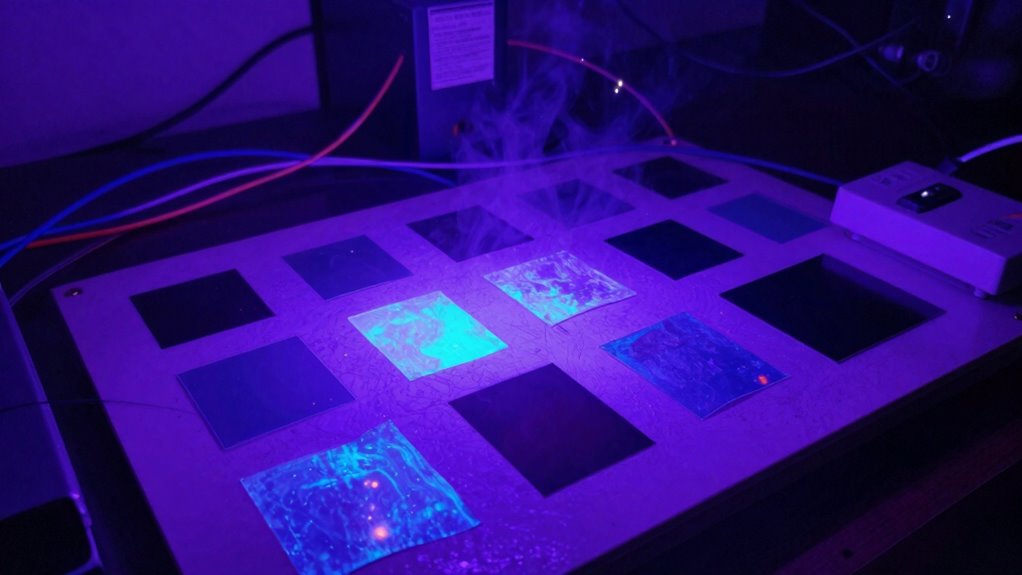
Ultraviolet (UV) stages are critical components in many analytical and industrial processes, but they can become overwhelmed when tasked with too much. Recognizing the signs of UV stage limitations is essential to prevent system failure and guarantee reliable results. When you overload a UV system, it often struggles to deliver the expected performance, leading to inaccurate measurements or process disruptions. The first clue is a noticeable decline in the intensity of UV signals. If your readings are consistently lower than calibration standards, it may indicate that the UV source is under strain. Overloading UV systems causes excessive demand on the lamp, filters, or detectors, which reduces their efficiency over time.
Overloading UV systems reduces efficiency, causing lower signal intensity and potential measurement inaccuracies.
Another indicator is increased noise or instability in your data. When a UV stage is pushed beyond its capacity, fluctuations become more common, resulting in inconsistent readings. These irregularities often hint that the system is operating outside its ideal range. Pay attention to the temperature of the UV lamp—if it’s running hotter than usual, it’s a sign that your UV stage is under stress. Excessive heat can accelerate component wear, compromise the integrity of optical elements, and ultimately diminish system performance. Overloading UV systems can also cause premature lamp failure, requiring more frequent replacements and increasing maintenance costs.
You might also notice a decrease in throughput or longer processing times. When a UV stage is asked to do too much, the system takes longer to complete tasks because it’s working at or beyond its capacity. This slowdown isn’t just inconvenient; it’s a clear sign that the UV system is being overtaxed. If you’re experiencing frequent shutdowns or error messages related to UV intensity or lamp status, it’s time to reevaluate your process. These errors often stem from UV stage limitations, which, if ignored, can lead to system breakdowns. Regularly monitoring system parameters and understanding the limits of UV stages can help prevent unexpected failures. Additionally, understanding the capacity of UV systems and their operational boundaries is crucial for maintaining optimal performance.
Implementing proper operational protocols and training staff to recognize these signs can significantly extend the lifespan of your UV equipment. To prevent overloading your UV system, consider optimizing your process parameters, such as reducing sample load or adjusting exposure times. Regular maintenance, including cleaning optical components and replacing lamps before they reach end-of-life, helps maintain system integrity. Additionally, staying informed about best practices for UV system maintenance can make a substantial difference in system longevity. Recognizing these signs early allows you to mitigate damage, extend your UV system’s lifespan, and preserve the accuracy of your results. Remember, a well-maintained UV stage operating within its limits ensures consistent performance and dependable data, avoiding the pitfalls of overloading UV systems.
As an affiliate, we earn on qualifying purchases.
Frequently Asked Questions
What Are Common Signs of UV Stage Overload?
You’ll notice UV stage overload when your UV lamp flickers or dims unexpectedly, indicating it’s straining. The power supply might overheat or shut down to protect itself, and you could see inconsistent UV output. If the lamp runs hotter than usual or fails prematurely, it’s a sign your UV stage is overloaded. Monitoring these signs helps prevent damage and guarantees your UV system functions at its best.
How Does UV Stage Overload Affect Overall Production?
When you push your UV stage beyond its capacity, optical performance declines, causing delays and rework. Ironically, trying to boost production by overloading the UV stage actually hampers overall output. Overburdened UV stages struggle with inconsistent curing, leading to quality issues and increased downtime. This overload hampers your entire process, reducing throughput and risking missed deadlines, proving that more isn’t always better—especially when it compromises UV stage capacity and optical performance.
Can Equipment Damage Occur From Overloading a UV Stage?
Yes, equipment damage can occur from overloading a UV stage. When you overload the system, it strains components, increasing wear and risking failure. To prevent this, you should perform regular UV stage maintenance and ensure proper equipment calibration. These steps help maintain peak performance, reduce the risk of damage, and extend your UV system’s lifespan. Always monitor load levels and follow manufacturer guidelines to avoid overworking the equipment.
What Safety Concerns Arise From Overburdened UV Stages?
When an overburdened UV stage is pushed too hard, safety risks multiply like sparks from a failing circuit. You risk exposing operators to harmful UV radiation if calibration isn’t precise, and mistakes increase without proper operator training. Overloading can cause equipment overheating or failure, creating dangerous situations. To stay safe, guarantee regular UV stage calibration and invest in thorough operator training, so you prevent hazards and keep your system running smoothly.
How Often Should UV Stages Be Inspected for Overload Issues?
You should inspect your UV stages regularly, ideally every three to six months, for overload issues. During UV maintenance, focus on checking system calibration to guarantee peak performance. Look for signs like reduced flow, inconsistent disinfection, or increased energy use. Regular inspections help catch overload problems early, preventing safety hazards and equipment damage, and ensuring your UV system works efficiently and safely over time.
As an affiliate, we earn on qualifying purchases.
Conclusion
If you notice your UV stage is struggling to keep up—such as slower processing times or inconsistent results—it’s a sign it’s overloaded. For example, imagine a production line where the UV system is tasked with curing multiple materials simultaneously; it might start underperforming, leading to defects. Recognizing these signs early helps you adjust workload or upgrade equipment, ensuring your UV stage operates efficiently without compromising quality or speed.
As an affiliate, we earn on qualifying purchases.
As an affiliate, we earn on qualifying purchases.
NFL season / tailgating Picks
team gear
As an affiliate, we earn on qualifying purchases.