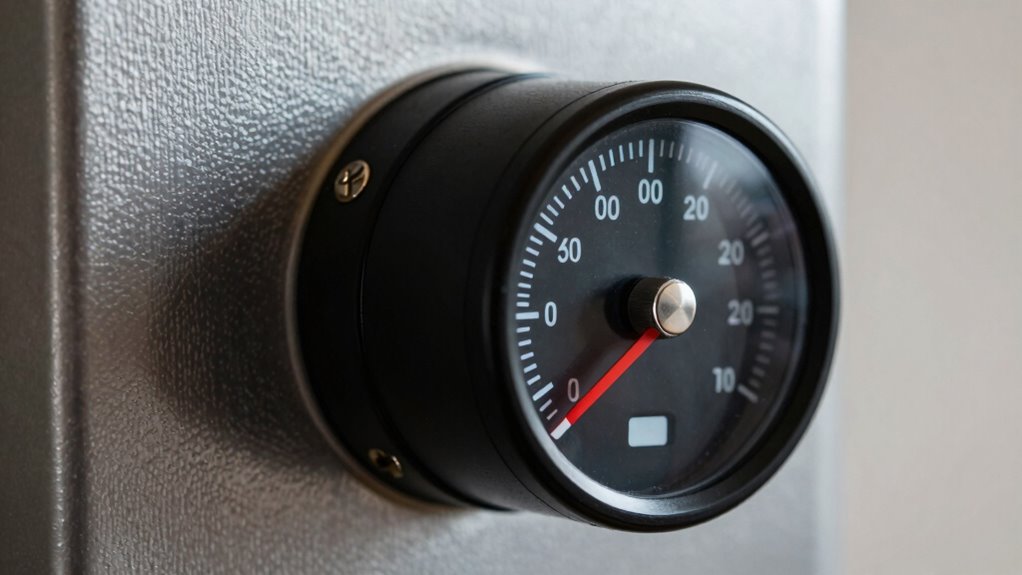
To guarantee your comfort daily, you need to adjust your pressure switch settings based on environmental changes like humidity and seasonal shifts. Proper calibration helps your HVAC system respond efficiently, maintaining steady airflow and temperature control. If settings are too sensitive or not sensitive enough, you’ll experience discomfort, energy waste, or system strain. Staying on top of these adjustments can keep your home comfortable and save you money—if you want to find out how, keep exploring the details.

Get home appliances delivered free with Prime
- Fast, free delivery on millions of items
- Prime Video, Amazon Music and more included
- Member-only deals all year
Key Takeaways
- Daily environmental changes, like humidity and temperature, require pressure switch adjustments to maintain consistent comfort.
- Proper pressure switch calibration ensures HVAC responsiveness aligns with seasonal variations for optimal performance.
- Regularly adjusting the pressure switch helps prevent discomfort caused by system over- or under-heating.
- Environmental factors influence pressure thresholds, necessitating daily calibration for precise airflow and temperature control.
- Consistent maintenance and calibration of the pressure switch adapt the system to changing conditions, ensuring steady comfort.
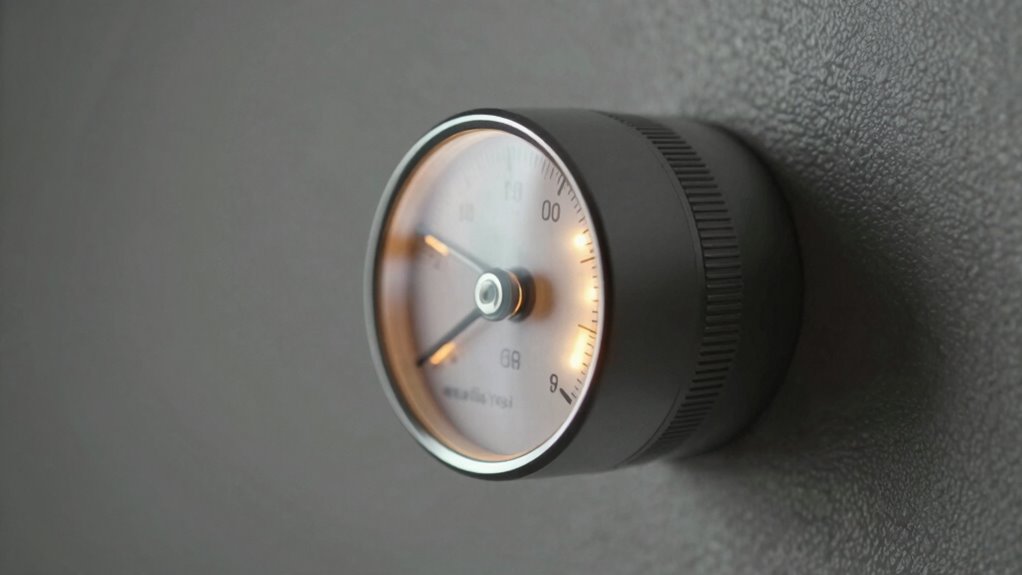
Maintaining the right pressure switch setting is vital for ensuring daily comfort in your HVAC system. This small but significant component plays a big role in how well your system manages thermal regulation and airflow optimization. When set correctly, the pressure switch helps your system operate smoothly, maintaining steady temperatures and consistent airflow. If it’s too sensitive or not sensitive enough, you might notice uneven heating or cooling, drafts, or short cycling, all of which disrupt your comfort and increase energy costs.
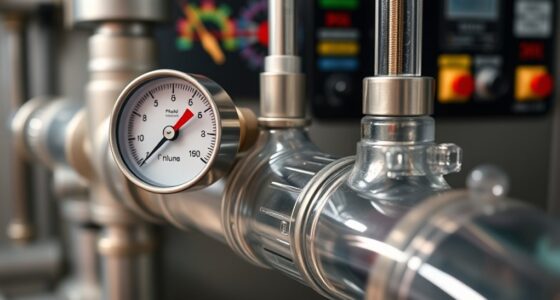
Your HVAC system relies on the pressure switch to monitor the refrigerant or air pressure within the ducts or compressor. When the setting is just right, it guarantees that the system kicks on or off at appropriate times, helping to keep your indoor environment stable. Proper thermal regulation depends heavily on this balance, as the system needs to respond quickly to changes in temperature without excessive cycling. If the pressure switch is mistakenly set too high, your system might run longer than necessary, leading to energy waste and uneven temperature distribution. Conversely, if it’s set too low, the system might shut off prematurely, preventing thorough heating or cooling and causing discomfort.
Proper pressure switch settings ensure your HVAC turns on and off at the right times for optimal comfort and efficiency.
Adjusting the pressure switch impacts airflow optimization directly. When set correctly, it allows your system to maintain a consistent, steady airflow throughout your home or office. This steady airflow ensures even distribution of conditioned air, preventing hot or cold spots and improving overall comfort. On the other hand, an improperly set pressure switch can cause airflow disruptions, resulting in noisy operation, reduced efficiency, or system short cycling. These issues can strain your equipment and lead to more frequent repairs or replacements. Additionally, understanding the role of pressure switch settings in your HVAC system can help you troubleshoot issues more effectively and maintain optimal performance. Regular inspections and adjustments are also essential to prevent pressure switch malfunctions that could compromise your system’s efficiency. Recognizing how environmental factors such as humidity and seasonal changes influence pressure switch calibration can help you adapt your system to maintain consistent comfort year-round. Daily fluctuations in temperature and humidity levels mean that your pressure switch setting might need occasional adjustments. For example, during the peak of summer or winter, your HVAC system works harder, and small tweaks may optimize airflow and thermal regulation further. Recognizing the importance of proper calibration can help prolong the lifespan of your equipment and improve its overall efficiency. Regularly checking and fine-tuning this setting ensures your system adapts to changing conditions, maintaining comfort without overworking your equipment. Remember, the goal isn’t just to keep the system running but to optimize its operation for energy efficiency, noise reduction, and consistent indoor climate.
HVAC pressure switch calibration tool
As an affiliate, we earn on qualifying purchases.
As an affiliate, we earn on qualifying purchases.
Frequently Asked Questions
How Often Should I Adjust My Pressure Switch Settings?
You should adjust your pressure switch settings only when necessary, such as during seasonal changes or if you notice system issues. Use proper calibration techniques to guarantee accuracy, and always follow safety precautions to prevent accidents. Regularly inspecting your system helps you identify when adjustments are needed. Avoid frequent tweaks, as improper settings can compromise safety and efficiency. Consult a professional if you’re unsure about calibration or safety procedures.
Can Changing the Switch Setting Affect Energy Efficiency?
Changing your pressure switch setting can definitely impact energy efficiency. If you lower the setting too much, it forces your system to run more frequently, wasting energy. Conversely, increasing it too high risks compromising pressure stability and proper system calibration. Finding the right balance helps maintain consistent comfort while optimizing performance. Keep an eye on your system’s responses to avoid unintended energy waste, and make sure your system runs smoothly and efficiently.
What Are Signs My Pressure Switch Needs Recalibration?
If your pressure switch needs recalibration, you’ll notice inconsistent system operation or pressure readings. Check your pressure gauge regularly for abnormal fluctuations or incorrect readings. Using calibration tools, you can verify if the switch’s settings align with the actual pressure. If discrepancies persist, recalibrating the switch guarantees proper function, preventing energy waste or equipment damage. Regular inspections help maintain ideal performance and comfort in your system.
Is It Safe to Modify Pressure Switch Settings Myself?
Modifying pressure switch settings yourself isn’t recommended because of DIY safety concerns. Incorrect adjustments can lead to system malfunctions or safety hazards. It’s best to seek professional assistance, as trained technicians understand the proper procedures and safety protocols. They can guarantee your system operates efficiently and safely, preventing potential damage or risks. Always prioritize professional help over DIY modifications when it comes to pressure switch adjustments.
How Do Weather Conditions Influence Pressure Switch Adjustments?
Weather conditions, especially humidity fluctuations and temperature variations, can silently influence your pressure switch adjustments. As humidity rises or drops, or temperatures swing wildly, your system responds unpredictably. You might notice your comfort level shifting unexpectedly. To keep things ideal, stay alert to these weather changes and consider adjusting your pressure switch settings accordingly. Regular monitoring helps maintain consistent comfort, even when the weather tries to throw things off.
HVAC pressure switch adjustment kit
As an affiliate, we earn on qualifying purchases.
As an affiliate, we earn on qualifying purchases.
Conclusion
As you adjust the pressure-switch each day, imagine the gentle hum of your home settling into perfect harmony. With a simple turn, you control the rhythm of your comfort—like tuning an instrument to just the right pitch. Feel the subtle shift in pressure, transforming your space into a haven of ease. Embrace this small act, and let your home’s steady heartbeat cradle you in daily tranquility. Your perfect comfort is just a switch away.
HVAC system pressure switch replacement
As an affiliate, we earn on qualifying purchases.
As an affiliate, we earn on qualifying purchases.
pressure switch for furnace or AC
As an affiliate, we earn on qualifying purchases.
As an affiliate, we earn on qualifying purchases.
Halloween Picks
halloween
As an affiliate, we earn on qualifying purchases.