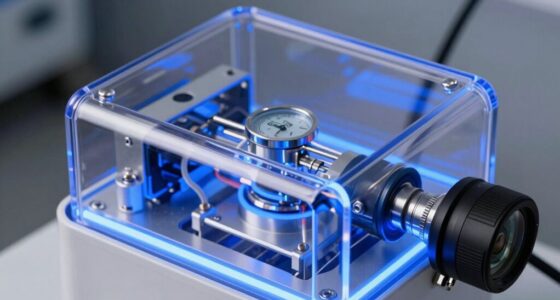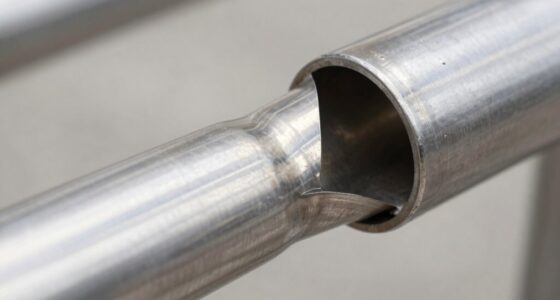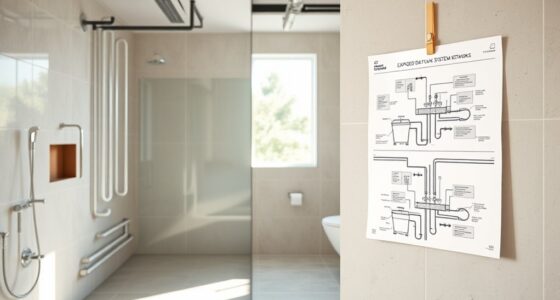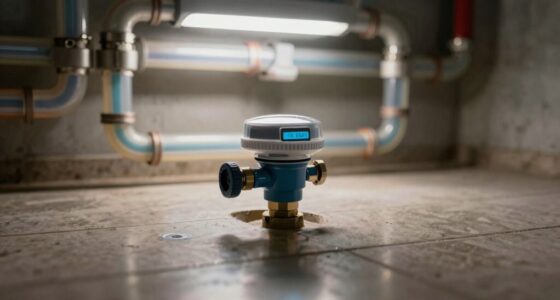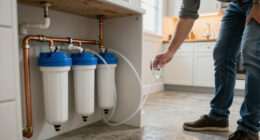

Understanding flow rate and pressure drop is essential for system safety and efficiency. You measure flow rate to guarantee fluids move at the right speed, while pressure drop indicates system resistance and potential issues. High or sudden pressure drops can cause equipment damage or safety hazards. Regular monitoring, proper equipment selection, and maintenance help prevent failures. Keep these principles in mind, and you’ll discover how to manage your system proactively and safely.

Get home appliances delivered free — and shop member deals
- Fast, free delivery on millions of items
- Access to Prime Big Deal Days deals on October 6–7
- Prime Video, Amazon Music and more included
Key Takeaways
- Monitoring flow rate and pressure drop helps detect system issues and prevent safety hazards like pipe failure or leaks.
- Proper equipment calibration ensures accurate measurements, supporting safe operation and system integrity.
- High or sudden pressure drops can cause system damage, explosions, or injuries if not properly managed.
- Regular maintenance and safety devices like relief valves prevent over-pressurization and enhance safety.
- Adhering to safety protocols and continuous monitoring minimizes risks associated with pressure fluctuations and flow disruptions.
As an affiliate, we earn on qualifying purchases.
Defining Flow Rate and Its Significance
Flow rate is a key measure that describes how much fluid passes through a system over a specific period. It’s essential for accurate flow measurement and understanding system performance. By knowing the flow rate, you can assess whether your system operates efficiently or if adjustments are needed. Pressure assessment often accompanies flow measurement because pressure changes can influence flow rates. Monitoring flow rate helps prevent issues like blockages or leaks, ensuring safety and reliability. It also aids in optimizing system design and operation. Whether in industrial processes, plumbing, or HVAC systems, understanding flow rate allows you to make informed decisions and maintain consistent performance. Clear flow measurement combined with pressure assessment keeps your system safe, efficient, and functioning as intended. Additionally, understanding AI-driven innovations in system monitoring can further enhance safety and efficiency.
As an affiliate, we earn on qualifying purchases.
Understanding Pressure Drop and Its Effects
Monitoring pressure drop is essential for maintaining system efficiency and safety. When pressure drops unexpectedly, you may experience pressure fluctuations that signal issues in your system. These fluctuations can cause inconsistent flow rates, leading to system inefficiencies and potential equipment damage. Understanding how pressure drop impacts your system helps you identify problems early, such as clogged filters, leaks, or undersized pipes. If unchecked, pressure drop can reduce performance and increase operational costs. By regularly tracking pressure changes, you get immediate insights into the health of your system. Addressing pressure drops promptly ensures smooth operation, prevents failures, and extends equipment lifespan. Keeping a close eye on pressure fluctuations is a key step in optimizing safety and maintaining efficient flow rates. Implementing pressure monitoring techniques can further enhance your ability to detect and respond to issues quickly.
pressure relief valve for plumbing
As an affiliate, we earn on qualifying purchases.
As an affiliate, we earn on qualifying purchases.
The Relationship Between Flow Rate and Pressure Drop

Understanding how flow rate and pressure drop relate is essential for enhancing system performance. When you increase flow rate, you often see a corresponding rise in pressure drop due to changes in flow dynamics. Higher flow rates create more resistance within pipes or components, making pressure regulation more challenging. Conversely, reducing flow rate can lower pressure drop, improving system efficiency. Recognizing this relationship helps you balance flow and pressure to prevent issues like excessive pressure loss or system strain. By understanding how flow dynamics influence pressure drop, you can fine-tune your system for ideal operation. Proper management of this relationship ensures safety, reduces wear, and maintains consistent performance across your entire system. Additionally, understanding the effects of flow rate on pressure drop can guide you in selecting appropriate components and settings for optimal system longevity.
flow and pressure monitoring system
As an affiliate, we earn on qualifying purchases.
As an affiliate, we earn on qualifying purchases.
Common Causes of Pressure Drop in Systems

Pressure drops often happen because of factors like pipe length and bends that increase resistance. Obstructions and blockages can restrict flow, making pressure decrease along the system. Additionally, valves and fittings can create turbulence, further contributing to pressure loss. For example, understanding the horsepower of electric dirt bikes can help in designing systems that handle high torque and power demands efficiently.
Pipe Length and Bends
Long pipe lengths and numerous bends substantially increase pressure drop within a fluid system. The longer the pipe, the more resistance the fluid encounters, reducing flow efficiency. Pipe bends also contribute considerably by creating turbulence and friction, which further drops pressure. To minimize these effects, keep pipe runs as short and direct as possible, and limit unnecessary bends. Use smooth, gradual bends instead of sharp angles to reduce turbulence. Here’s a quick comparison:
| Factor | Effect on Pressure Drop |
|---|---|
| Pipe Length | Increases friction, drops pressure |
| Pipe Bends | Creates turbulence, drops pressure |
Reducing pipe length and optimizing bends can help maintain pressure and flow rate, ensuring your system runs safely and efficiently. Proper system design, including understanding pressure drop, is essential for safe operation.
Obstructions and Blockages
Obstructions and blockages are common culprits behind unexpected pressure drops in fluid systems. Clogged filters are a frequent cause, trapping debris and restricting flow. Over time, debris accumulation can build up in pipes, valves, or filters, creating physical barriers that slow down fluid movement. These blockages increase resistance, leading to higher pressure drops and reduced system efficiency. Regular maintenance, such as cleaning or replacing filters, helps prevent debris buildup and keeps flow rates steady. Always monitor pressure gauges for sudden drops, which may indicate obstructions. Ignoring these issues can cause equipment damage or system failure. Additionally, understanding the effects of debris accumulation on system performance can help in designing more effective maintenance schedules. By understanding how clogged filters and debris accumulation affect pressure, you can take proactive steps to maintain ideal flow and prevent costly downtime.
Valve and Fitting Effects
Valves and fittings, though essential for controlling and directing fluid flow, often contribute considerably to pressure drops within a system. Valve effects, such as partially closed positions or design features, create resistance that reduces pressure downstream. Fitting effects, including elbows, tees, and reducers, also cause turbulence and friction, increasing pressure loss. When you install valves, choose ones designed for minimal flow disruption, and avoid unnecessary partial closures. Similarly, select fittings that match your system’s flow requirements to reduce turbulence. Properly sized and maintained valves and fittings help minimize pressure drops, ensuring efficient flow. Understanding these effects allows you to optimize system performance, prevent pressure loss, and maintain safety standards in your piping setup. Additionally, flow dynamics play a significant role in how pressure drops occur, emphasizing the importance of proper system design and component selection.
Safety Risks Associated With High Pressure Drops
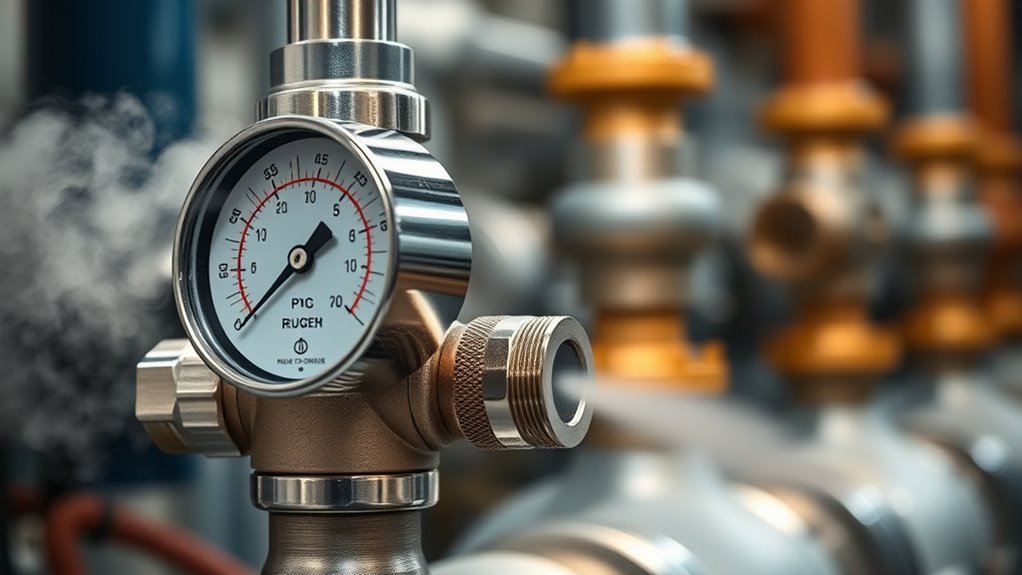
High pressure drops can create serious safety hazards in your system. You might face pipe bursting, which can cause costly damage or injuries. Additionally, sudden system failures and operator injuries become more likely when pressure levels are unstable. Monitoring pressure levels is essential to prevent air quality deterioration and ensure system stability.
Pipe Bursting Hazards
Have you ever considered the dangers posed by sudden pipe bursting due to pressure drops? Pipe bursting occurs when a rapid pressure drop causes the pipe material to fail, risking injuries and property damage. When pressure drops abruptly, the pipe can rupture unexpectedly, releasing high-pressure fluids that may harm anyone nearby. To prevent this hazard, hazard mitigation strategies are essential. Regular inspections, pressure monitoring, and proper system design help identify weak points before failure occurs. Maintaining appropriate pressure levels minimizes stress on pipes, reducing the risk of bursting. Recognizing the signs of impending failure allows you to take proactive measures. Staying vigilant and implementing safety protocols ensures you manage pressure drops safely and prevent dangerous pipe bursts. Additionally, understanding the pressure drop dynamics can help in designing safer piping systems.
Sudden System Failures
Sudden system failures due to rapid pressure drops can pose serious safety risks, often catching operators off guard. In fluid dynamics, high pressure drops cause stress on pipes and components, increasing the chance of catastrophic failure. When pressure drops abruptly, materials can weaken or rupture unexpectedly, jeopardizing system safety. These failures may result in leaks, explosions, or equipment damage, risking personnel and infrastructure. Understanding how pressure fluctuations impact system integrity is vital for preventing such hazards. Proper monitoring and control of flow rates help maintain steady pressure levels, reducing the likelihood of sudden failures. Recognizing the importance of pressure management and ensuring consistent pressure control are essential to prevent dangerous breakdowns caused by rapid pressure drops. By focusing on fluid dynamics principles and ensuring consistent pressure management, you can enhance system safety and prevent dangerous breakdowns caused by rapid pressure drops.
Operator Injury Risks
When pressure drops rapidly in a system, you face serious injury risks from unexpected energy releases and sudden fluid movements. High pressure drops can cause components like pressure vessels to rupture or vent suddenly, risking severe injuries. If you’re working near a pressure vessel or inspecting a flow meter, rapid depressurization can result in flying debris or fluid sprays. Always monitor pressure levels carefully, especially when systems are under high pressure, to prevent dangerous releases. Proper safety protocols and pressure relief devices help control these risks. Never bypass safety features or attempt to open pressurized equipment without depressurizing fully. Staying vigilant reduces the chance of injury from unexpected system failures caused by high pressure drops.
Monitoring and Measuring Flow and Pressure
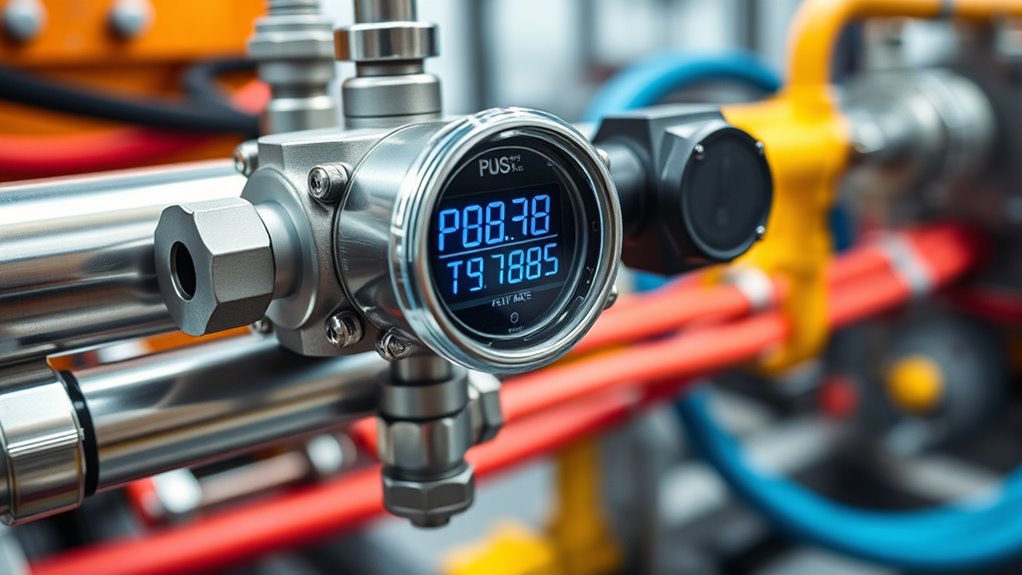
How do you guarantee accurate flow rate and pressure measurements in a system? You need reliable tools for flow measurement and pressure monitoring. Use calibrated flow meters to track fluid movement precisely, ensuring your readings reflect actual conditions. Regularly check and calibrate pressure gauges to catch any inaccuracies caused by wear or damage. Consistent monitoring helps you identify fluctuations or potential issues before they escalate. Keep sensors clean and properly installed, and record data regularly to spot trends. Proper measurement techniques are essential for safety and efficient operation. By focusing on accurate flow measurement and pressure monitoring, you can maintain control, prevent equipment failure, and ensure your system runs smoothly and safely.
Proper Selection of Equipment for Safe Operation
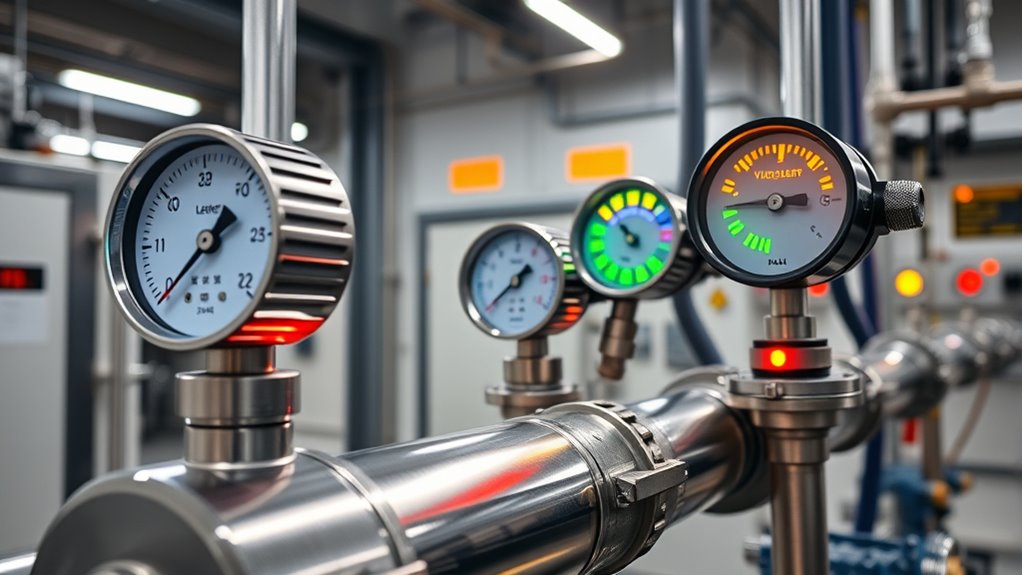
Choosing the right equipment is essential for guaranteeing safe system operation, as improper selection can lead to equipment failure or accidents. To achieve ideal flow and safety, focus on these key points:
- Verify equipment compatibility with your system’s pressure and flow requirements to prevent malfunctions.
- Prioritize flow optimization by selecting components designed for your specific application, reducing pressure drops and inefficiencies.
- Ensure materials and specifications match the fluids being transported, minimizing corrosion and wear.
Preventative Maintenance to Reduce Risks
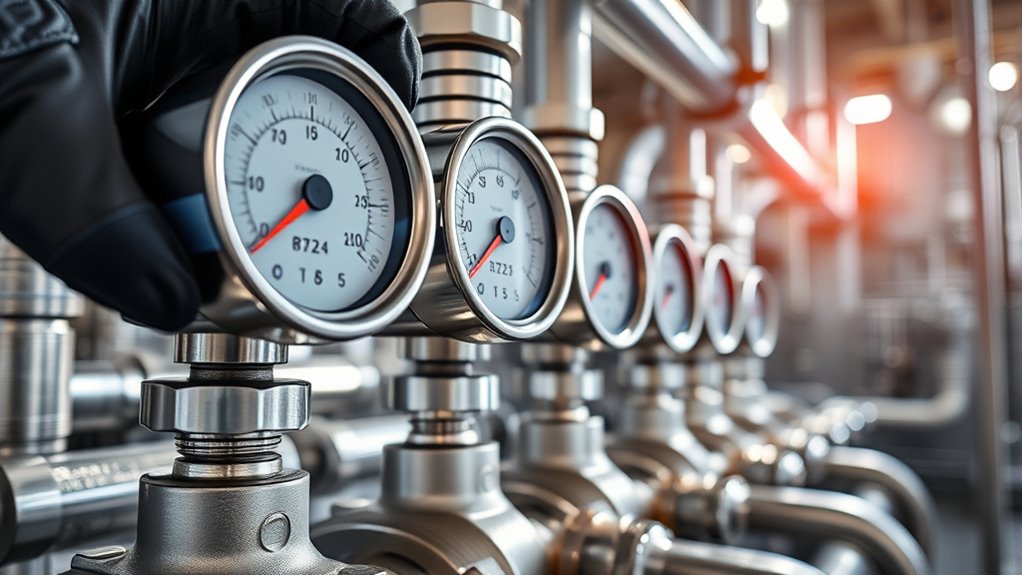
Regular inspection routines help you catch issues before they become serious problems, keeping your system running smoothly. When you identify potential risks early, prompt repair procedures prevent minor faults from escalating. This proactive approach minimizes downtime and maintains ideal flow rate and pressure conditions.
Regular Inspection Routines
Implementing consistent inspection routines is essential for maintaining ideal flow rate and minimizing pressure drop issues. Regular checks help guarantee your equipment stays reliable and safe. Focus on these key areas:
- Verify flow meter calibration to ensure accurate flow readings.
- Test pressure sensor accuracy to detect any deviations affecting system performance.
- Inspect for leaks, blockages, or wear that could impact flow and pressure stability.
Prompt Repair Procedures
Prompt repair procedures are crucial for preventing minor issues from escalating into major system failures. When you identify a problem, act quickly to fix it, guaranteeing you consider chemical compatibility to avoid damaging materials or creating hazardous reactions. Using the correct replacement parts and tools helps maintain system integrity and safety. Addressing issues promptly reduces environmental impacts by preventing leaks, spills, or emissions that could harm the surroundings. Regularly updating repair protocols and training staff ensures repairs are effective and safe. Document all repairs thoroughly for future reference and compliance. By prioritizing swift, informed actions, you minimize downtime, preserve system performance, and protect both personnel and the environment. Consistent, proactive repairs contribute considerably to overall safety and operational reliability.
Emergency Procedures for System Failures
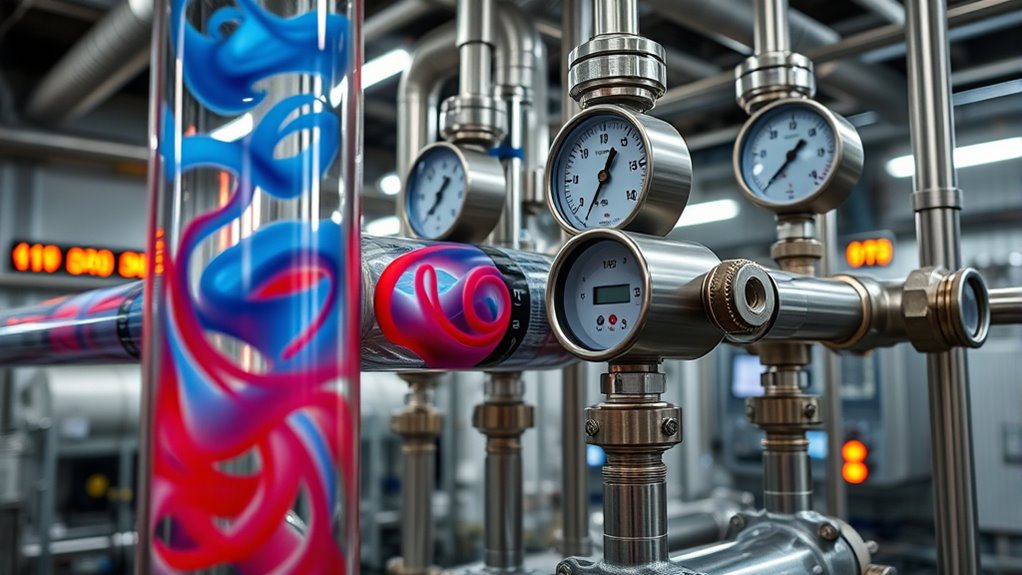
When a system failure occurs, quick and effective response is crucial to prevent damage and guarantee safety. You must act swiftly to control potential hazards like unintended chemical reactions or temperature effects that could escalate issues. First, shut off the main source to stop flow and minimize pressure drops. Second, evaluate the situation carefully, checking for signs of chemical reactions or temperature changes indicating system instability. Third, alert your safety team and follow established emergency protocols. Remember, rapid response minimizes risks of explosions or leaks caused by pressure buildup. Always ensure the area is ventilated if chemical reactions produce hazardous fumes. Staying calm and decisive helps prevent further damage, protecting personnel and equipment from serious consequences during system failures.
Best Practices for Safe System Design and Operation
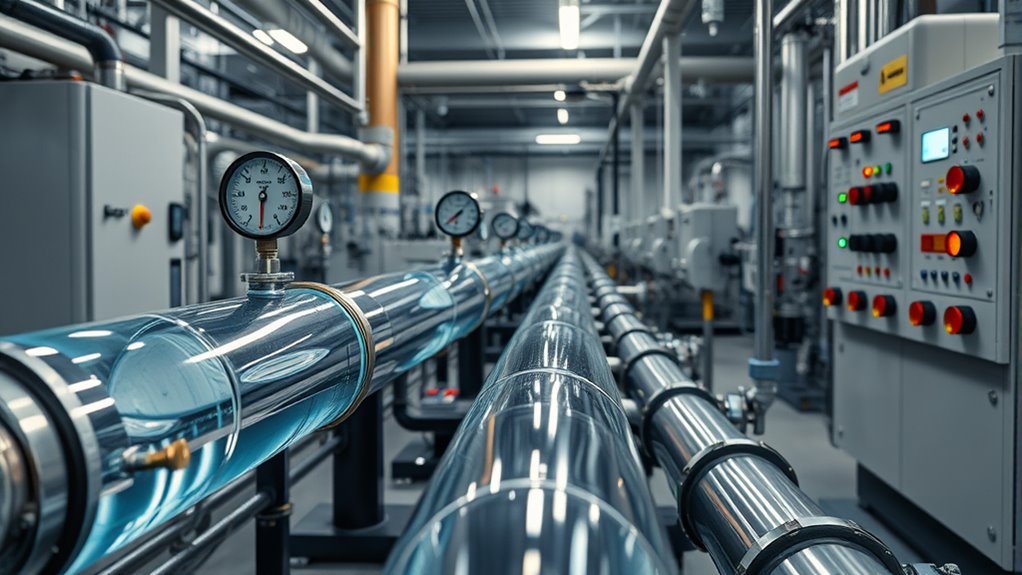
To guarantee safe system operation, designing equipment and processes with inherent safety features is essential. Consider fluid viscosity, as it affects pressure drop and flow rate, impacting system stability. Use reliable pressure sensors to monitor real-time changes, enabling quick responses to potential issues. Incorporate safety valves and pressure relief devices to prevent over-pressurization. Regularly inspect and calibrate pressure sensors for accuracy. Designing with redundancies ensures continuous safety even if one component fails. Here’s a quick reference:
| Best Practice | Why it’s important |
|---|---|
| Use appropriate fluid viscosity | Ensures consistent flow and pressure |
| Install pressure sensors | Detect pressure fluctuations early |
| Include safety valves | Prevent over-pressurization |
| Regular maintenance and calibration | Maintain system reliability |
Following these practices helps keep your system safe, efficient, and responsive.
Frequently Asked Questions
How Do Temperature Variations Affect Flow Rate and Pressure Drop?
Temperature effects can substantially impact flow rate and pressure drop, causing fluctuations that affect flow stability. When temperatures rise, fluids often become less viscous, increasing flow rate but potentially reducing pressure drop. Conversely, cooler temperatures boost viscosity, slowing flow and increasing pressure drop. You should monitor temperature variations closely, as they directly influence system performance and safety, ensuring consistent flow and preventing issues related to flow instability.
What Are the Environmental Impacts of Pressure Drops?
You might think pressure drops only affect system efficiency, but they also have significant environmental consequences. When pressure drops cause leaks or increased energy use, they contribute to ecological impacts like greenhouse gas emissions and resource depletion. These effects harm ecosystems and accelerate climate change. Managing pressure drops isn’t just about safety; it’s essential for reducing environmental impact and protecting our planet’s health.
How Does Pipe Material Influence Pressure Drop Levels?
You’ll notice that pipe material considerably influences pressure drop levels. Durable materials like steel or copper resist wear and corrosion, maintaining consistent flow and reducing pressure drops over time. Conversely, less durable or corrodible materials like certain plastics may cause increased pressure drops as they degrade, leading to flow restrictions. Choosing the right pipe material guarantees better flow efficiency, minimizes pressure loss, and prolongs the pipe’s lifespan, ultimately improving system safety and performance.
Can Flow Rate and Pressure Drop Be Adjusted Mid-Operation Safely?
Yes, you can adjust flow rate and pressure drop mid-operation safely if you perform proper flow regulation and pressure management. Always guarantee equipment is designed for such adjustments, and follow manufacturer guidelines. Use control valves carefully to modulate flow, monitor pressure gauges continuously, and communicate with your team. Avoid sudden changes to prevent system stress or failure, and prioritize safety protocols throughout the process.
What Training Is Recommended for Staff Handling High-Pressure Systems?
You should receive thorough training on safety procedures and emergency protocols before handling high-pressure systems. This includes understanding system operation, recognizing hazards, and knowing how to respond quickly in emergencies. Regular drills and refresher courses are essential to keep your skills sharp. Always follow safety guidelines, wear appropriate protective gear, and stay alert to prevent accidents and ensure safe operation during high-pressure system management.
Conclusion
By understanding flow rate and pressure drop, you can keep your system safe and efficient. Regular maintenance and proper equipment selection help prevent dangerous pressure drops, reducing risks and ensuring smooth operation. Are you doing everything possible to identify and address potential hazards before they become emergencies? Stay vigilant, follow best practices, and prioritize safety—because a well-maintained system protects everyone involved. Don’t wait for a failure—act now to keep your system safe.
NFL season / tailgating Picks
team gear
As an affiliate, we earn on qualifying purchases.