
To properly size filters for your hot water lines and recirculation system, you need to match the filter’s flow capacity to your system’s flow rate. Avoid under- or over-sizing, as undersized filters clog quickly, causing maintenance issues, while oversized ones cost more and may be inefficient. Ensuring the correct filter size optimizes water flow, reduces pressure drops, and maintains water quality. Keep exploring to learn how to choose the perfect filter size for your setup.

Get home appliances delivered free with Prime
- Fast, free delivery on millions of items
- Prime Video, Amazon Music and more included
- Member-only deals all year
Key Takeaways
- Match filter size to the system’s flow rate to prevent pressure drops and ensure efficient water flow.
- Properly sized filters reduce clogging frequency, minimizing maintenance and system downtime.
- Avoid undersized filters that can cause rapid clogging and flow restrictions in hot water lines.
- Oversized filters may increase costs but provide better flow stability and longer service intervals.
- Consider system pressure, flow rate, and debris levels when selecting the appropriate filter size for hot water recirculation.
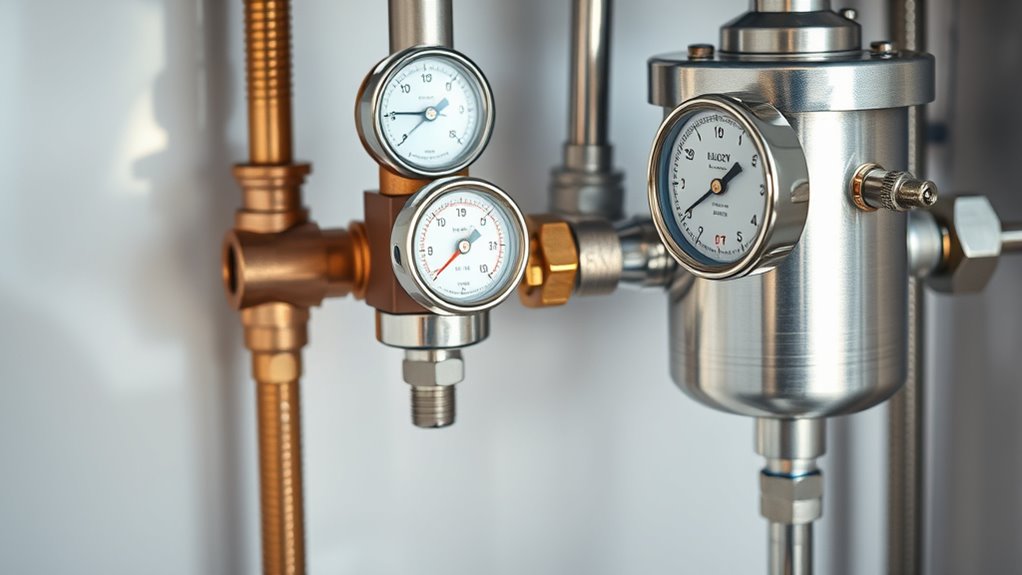
Choosing the right filter size for your hot water lines and recirculation systems is essential to guarantee efficient operation and water quality. When selecting a filter, you need to consider not only the size but also how it impacts filter maintenance and flow rate optimization. A properly sized filter ensures that water flows smoothly without unnecessary pressure drops, reducing strain on your system and preventing premature wear. If the filter is too small, it may clog quickly, requiring frequent maintenance and risking reduced flow, which can compromise water temperature and delivery speed. Conversely, an oversized filter may be more costly and unnecessary, but it generally offers longer intervals between maintenance and better flow stability.
Filter maintenance plays a critical role in keeping your system running smoothly. Regularly inspecting and cleaning filters prevent buildup of debris and mineral deposits that can hinder water flow. When you choose a filter size aligned with your system’s flow rate, you make maintenance more straightforward. Larger filters can handle more debris before needing cleaning, but they also mean more effort and time for filter replacement or cleaning. Smaller filters, while easier to access and replace, may require more frequent attention to avoid clogging, especially in areas with hard water or sediment-heavy supply lines. Balancing filter size with your maintenance capacity helps maintain consistent water quality without excessive downtime or costs.
Flow rate optimization is another key consideration. Your hot water system relies on adequate flow to deliver hot water efficiently and maintain desired temperatures. An undersized filter restricts flow, causing delays and potential discomfort, especially in larger households or commercial settings. Overly large filters, while less restrictive, can lead to unnecessary expense without providing additional benefits if the flow rate already meets your system’s needs. To find the right balance, you need to match filter size to your system’s flow rate capacity. This ensures maximum efficiency, minimizes pressure drops, and maintains consistent water temperature. Proper flow rate optimization also helps prevent issues like short-cycling or pump strain, extending the lifespan of your equipment.
hot water recirculation system water filter
As an affiliate, we earn on qualifying purchases.
As an affiliate, we earn on qualifying purchases.
Frequently Asked Questions
How Often Should Filters Be Replaced in Hot Water Systems?
You should replace filters in hot water systems based on their filter lifespan, which typically ranges from three to six months. Follow a regular maintenance schedule to guarantee peak performance and prevent buildup. Keep an eye on the filter’s condition—if you notice reduced water flow or discoloration, it’s time for a change. Regular replacements help maintain water quality and system efficiency, so don’t delay your maintenance routine.
What Are the Signs of a Clogged Hot Water Filter?
Did you know that up to 80% of hot water system issues come from neglected filter maintenance? If your hot water flow slows or becomes inconsistent, it’s a sign of a clogged filter. You might notice reduced water pressure or strange odors, which indicate clog detection is needed. Regularly checking your filter helps prevent buildup and keeps your system running efficiently, saving you time and costly repairs.
Can Filters Be Used With All Types of Recirculation Pumps?
Yes, filters can be used with most recirculation pumps, but you need to check filter compatibility first. Not all filters suit every pump type, and using an incompatible filter can reduce pump efficiency or cause damage. Always verify the filter’s specifications and confirm it’s designed for your specific pump model. Proper filter selection maintains ideal pump performance and prevents clogs that could hinder hot water circulation.
How Does Filter Size Impact Water Flow and Pressure?
If your filter size isn’t right, you risk flow restriction and a significant pressure drop, which could compromise your system’s efficiency. A too-small filter slows water flow, causing potential delays, while an oversized one might not filter effectively. Carefully selecting the appropriate size ensures ideal flow and pressure, keeping your recirculation system running smoothly without sudden drops or restrictions that could cause long-term issues.
Are There Specific Filters Recommended for Different Water Quality Issues?
You should choose filters based on your water quality issues. For removing sediments, opt for filters with mesh or cartridge materials designed for particulates. If you’re dealing with chlorine or odor, activated carbon filters are effective. For microbial concerns, consider UV or specialized filter materials. Matching the filter material to your specific water quality problem guarantees better filtration, improves water safety, and extends filter lifespan.
size matching water filter for hot water lines
As an affiliate, we earn on qualifying purchases.
As an affiliate, we earn on qualifying purchases.
Conclusion
By properly sizing filters for your hot water lines and recirculation systems, you guarantee efficient operation and longevity. For example, imagine a busy hotel that installed appropriately sized filters; guests enjoyed consistent hot water flow without delays or clogs. When you select the right filter size, you reduce maintenance costs and improve system performance—ultimately saving time and money. Take the time to size your filters correctly, and you’ll enjoy reliable, trouble-free hot water systems.
hot water system flow capacity filter
As an affiliate, we earn on qualifying purchases.
As an affiliate, we earn on qualifying purchases.
water filter for high flow hot water system
As an affiliate, we earn on qualifying purchases.
As an affiliate, we earn on qualifying purchases.
Cold & flu season Picks
humidifiers
As an affiliate, we earn on qualifying purchases.