
Pressure tanks do more than support pumps—they influence your system’s safety, equipment lifespan, and environmental impact. Properly selected and maintained tanks prevent leaks, reduce stress on pumps, and minimize risks of failure or corrosion. They help keep operations efficient and environmentally friendly. Neglecting these tanks can lead to costly repairs, safety hazards, and environmental damage. If you’re curious about how they affect your overall system, there’s more to discover about their essential role.

Get home appliances delivered free with Prime
- Fast, free delivery on millions of items
- Prime Video, Amazon Music and more included
- Member-only deals all year
Key Takeaways
- Pressure tanks help maintain consistent system pressure, reducing strain on pumps and preventing premature equipment failure.
- They store energy, which stabilizes flow and pressure across the entire system, impacting downstream components.
- Proper tank maintenance prevents leaks and corrosion that could lead to environmental hazards and system damage.
- Tank material selection influences overall system safety, longevity, and environmental sustainability.
- Monitoring of pressure tanks ensures operational safety, reduces downtime, and minimizes risks beyond just pump performance.
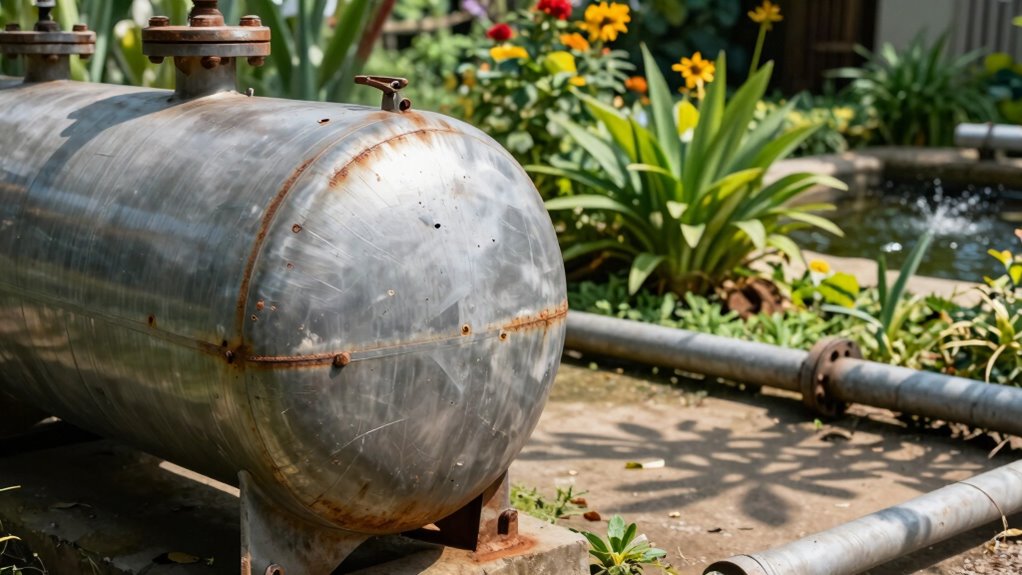
Have you ever wondered how pressure tanks influence everyday life and industrial processes? These seemingly simple devices do much more than just hold pressurized fluids; they are essential components that impact efficiency, safety, and longevity across various applications. For instance, the materials used to construct pressure tanks play a pivotal role in their performance. Tank materials determine how well a tank withstands pressure, resists corrosion, and endures environmental conditions. Steel remains a popular choice because of its strength and durability, but it requires regular inspections for rust and fatigue. On the other hand, composite materials like fiberglass offer corrosion resistance and lighter weight, which can be advantageous for certain uses. Selecting the right tank material is key to matching the specific demands of the application, whether it’s storing water, chemicals, or gases. Proper material choice affects not only safety but also the overall lifespan of the tank. Additionally, understanding the properties of tank materials can help prevent material failure and ensure long-term reliability. This knowledge is crucial for industries aiming to minimize environmental impact and maximize sustainability. For example, choosing materials with appropriate corrosion resistance can significantly extend the lifespan of tanks in harsh environments.
Beyond the initial construction, maintenance routines are equally important to guaranteeing a pressure tank’s peak performance. Regular inspections help detect early signs of wear, corrosion, or structural deterioration. For example, checking for leaks, corrosion spots, or sediment buildup can prevent unexpected failures. Maintenance routines often include pressure testing, cleaning, and sometimes replacing worn-out parts. These practices help maintain the integrity of the tank and guarantee it continues to operate safely and efficiently. Neglecting routine maintenance can lead to costly damages, environmental hazards, or safety risks, especially when dealing with hazardous materials. In industries where pressure tanks are integral, such as water treatment, oil and gas, or manufacturing, following strict maintenance schedules is essential. Incorporating preventive maintenance strategies can significantly extend the lifespan of pressure tanks and reduce operational costs. Furthermore, adopting monitoring technologies can provide real-time data on tank conditions, enabling proactive management. Staying informed about advancements in tank monitoring can help optimize maintenance routines and ensure safety. Additionally, implementing training programs for personnel on proper inspection procedures can improve early detection of issues and enhance overall safety protocols.
As an affiliate, we earn on qualifying purchases.
Frequently Asked Questions
Can Pressure Tanks Cause Water Discoloration?
Yes, pressure tanks can cause water discoloration if they aren’t properly maintained. Over time, sediment buildup and water corrosion inside the tank can lead to rusty or discolored water. Regular tank maintenance helps prevent this by removing debris and checking for corrosion. If neglected, corrosion can spread, affecting water quality and causing staining or discoloration. Maintaining your tank clean ensures clear, safe water and prolongs its lifespan.
Do Pressure Tanks Affect Water Taste?
Yes, pressure tanks can affect water taste. When tanks aren’t maintained properly, bacteria or sediment can build up, impacting water quality. Poor water filtration within the tank can lead to off-flavors, while mineral deposits might cause a metallic taste. Regular tank maintenance and proper water filtration are essential to guarantee clean, good-tasting water. Taking these steps helps keep your water taste fresh and your system functioning efficiently.
How Do Pressure Tanks Impact Overall Water System Lifespan?
Pressure tanks play a vital role in extending your water system’s lifespan by maintaining proper tank maintenance and preventing undue strain on the pump. When the tank functions correctly, it reduces frequent cycling and pressure fluctuations, which can wear out components faster. This improves overall system efficiency, minimizes potential damage, and helps your water system last longer, saving you money on repairs and replacements over time.
Are Pressure Tanks Necessary for All Residential Water Systems?
You might not need a pressure tank for every residential water system; it depends on your setup. Interestingly, about 70% of homes with well systems use tanks to maintain consistent pressure. During system installation, professionals assess your water needs, and maintenance procedures guarantee peak performance. If your water pressure fluctuates or your pump runs frequently, a pressure tank can improve efficiency and prolong equipment life, making it a valuable addition in many cases.
What Are Signs of Pressure Tank Failure?
You’ll notice signs of pressure tank failure if your water pressure fluctuates or diminishes unexpectedly. Listen for unusual noises during water use, like banging or hissing. You might also see water leaks or a tank that feels abnormally hot. Regular tank maintenance helps guarantee proper pressure regulation, preventing failure. If you experience these issues, it’s best to have a professional inspect your pressure tank to avoid further damage and maintain system efficiency.
As an affiliate, we earn on qualifying purchases.
Conclusion
Now that you understand how pressure tanks influence more than just pumps, think of them as the silent conductors of your home’s water symphony. When they work smoothly, everything flows in harmony; when they falter, chaos ensues. By paying attention to these tanks, you’re tuning the entire system, ensuring your water’s song remains melodious. Keep them well-maintained, and your plumbing orchestra will play on seamlessly, turning everyday routines into a harmonious dance.
corrosion-resistant pressure tanks
As an affiliate, we earn on qualifying purchases.
As an affiliate, we earn on qualifying purchases.
As an affiliate, we earn on qualifying purchases.
Halloween Picks
halloween
As an affiliate, we earn on qualifying purchases.