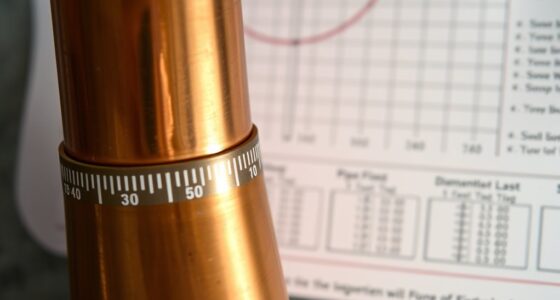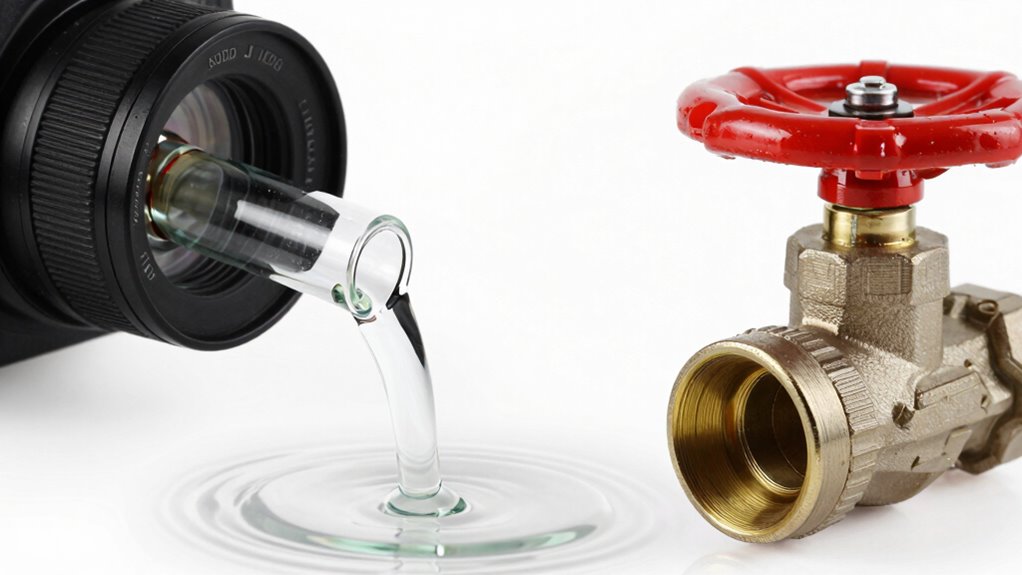

Flow restriction happens when hydraulic resistance limits fluid movement, caused by narrow pipes, closed valves, or obstructions, leading to decreased flow regardless of supply. Supply limitation occurs when the source—like a pump or reservoir—can’t provide enough fluid, resulting in low pressure and overall system flow. Understanding this difference helps you identify whether issues stem from internal restrictions or source capacity. Stay with us to explore how diagnosing these problems can improve your system’s efficiency.

Get home appliances delivered free — and shop member deals
- Fast, free delivery on millions of items
- Access to Prime Big Deal Days deals on October 6–7
- Prime Video, Amazon Music and more included
Key Takeaways
- Flow restriction is caused by hydraulic resistance within the system, while supply limitation stems from an insufficient source capacity.
- Flow restriction hampers fluid movement despite adequate supply, whereas supply limitation results in low pressure and flow downstream.
- Causes of flow restriction include narrow pipes and obstructions; supply limitations often involve underpowered pumps and inadequate storage.
- Flow restriction typically leads to sluggish operation and pressure drops; supply limitation causes overall low flow and potential equipment malfunction.
- Proper diagnosis involves monitoring pressure and flow rates to identify whether restriction or supply issues are present.
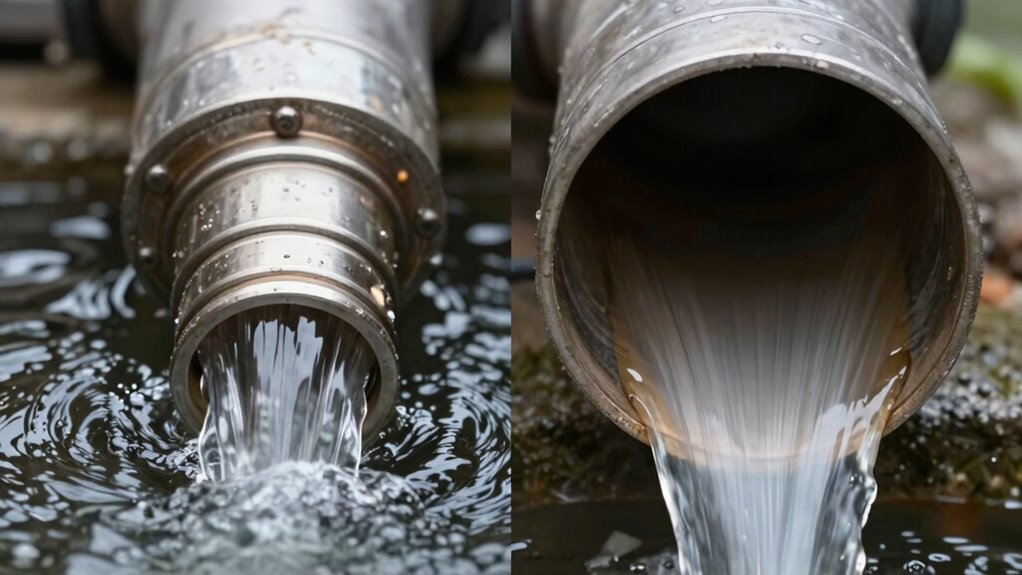
Understanding the difference between flow restriction and supply limitation is essential for optimizing system performance. These two issues can considerably impact how efficiently your system functions, but they stem from different causes. Flow restriction primarily involves hydraulic resistance within the system, which hampers the smooth movement of fluids. This resistance can be caused by narrow pipes, partially closed valves, or obstructions that create a bottleneck. When hydraulic resistance increases, the flow rate drops, and you might notice sluggish operation or inconsistent performance. It’s important to identify these bottlenecks because they limit the amount of fluid passing through, regardless of how much supply you have available. Recognizing hydraulic resistance early can help prevent system failures and improve overall efficiency. Additionally, understanding how system components contribute to resistance can guide effective troubleshooting and maintenance. For example, regular inspections can help spot developing restrictions before they cause significant issues, especially in systems where design considerations influence flow paths.
Flow restriction hampers fluid movement through bottlenecks, regardless of supply availability.
On the other hand, supply limitation occurs when the source itself cannot provide enough fluid to meet demand. This isn’t about internal resistance but rather the capacity of the supply system—like a pump, tank, or reservoir—that’s unable to keep up with your system’s needs. When supply is limited, no matter how free the flow path might be, the overall flow rate remains low because the source can’t deliver enough fluid. This often results in reduced pressure and flow downstream, which can cause equipment to malfunction or operate inefficiently. Here, the problem isn’t hydraulic resistance but a shortage of available supply. To address this, you should also consider system capacity and whether it matches the system’s demand.
Distinguishing between these two issues is vital because the solutions differ. If flow restriction is the problem, your focus should be on removing bottlenecks—cleaning or enlarging pipes, adjusting valves, or installing components that reduce hydraulic resistance. These measures help lower system bottlenecks, allowing fluid to move more freely. Conversely, if supply limitation is the core issue, you’ll need to upgrade your supply source—perhaps by increasing pump capacity, expanding storage, or improving the source’s efficiency—to guarantee enough fluid is available to meet demand. It’s also helpful to understand how system design can influence both flow restriction and supply limitations, ensuring a more balanced setup. Proper system design can minimize both issues by optimizing flow paths and ensuring adequate supply sources are in place.
It’s also worth noting that both problems can occur simultaneously, amplifying system inefficiency. For example, a partially blocked pipeline combined with an underpowered pump can drastically reduce flow. To diagnose these issues, you should monitor pressure levels at various points in the system and analyze flow rates. If you see high pressure upstream but low flow, it suggests flow restriction. If pressures are low across the system, supply limitation might be the cause. Properly diagnosing these problems ensures that corrective measures are effective and targeted, preventing unnecessary repairs or upgrades.
hydraulic flow restriction gauge
As an affiliate, we earn on qualifying purchases.
As an affiliate, we earn on qualifying purchases.
Frequently Asked Questions
How Do Flow Restriction and Supply Limitation Impact System Efficiency?
Flow restriction and supply limitation both negatively impact system efficiency by disrupting flow dynamics. When flow is restricted, it slows down or bottlenecks, reducing overall performance. Supply limitations decrease the available resources, causing inefficiencies in system operation. To optimize your system, identify and address these issues, ensuring smooth flow dynamics. Proper management of flow restriction and supply limitations enhances system efficiency, leading to better performance and resource utilization.
Can Flow Restriction or Supply Limitation Be Easily Detected?
You can often notice flow anomalies or pressure management issues that hint at restrictions or limitations. Slight changes in system performance, like unexpected drops or fluctuations, serve as subtle clues. While some issues are easily detected with basic observation, others require detailed analysis with specialized tools. Regular monitoring helps you identify these signs early, ensuring smooth operation without major disruptions.
What Are Common Causes of Flow Restriction in Pipelines?
You often encounter flow restrictions in pipelines due to pipeline blockages caused by debris, corrosion, or buildup. Valve malfunctions can also restrict flow, especially if valves stick or don’t open fully. These issues reduce flow efficiency and can lead to pressure issues. Regular maintenance, inspections, and cleaning help prevent such problems, ensuring smooth flow and avoiding costly repairs or shutdowns caused by unexpected flow restrictions.
How Does Temperature Affect Flow Restriction and Supply Limitation?
Temperature effects can considerably impact flow restriction and supply limitation by altering fluid viscosity. As temperature increases, fluid viscosity decreases, reducing flow restriction and allowing easier movement through pipelines. Conversely, lower temperatures increase viscosity, making fluids thicker and more resistant to flow, which can cause supply limitations. You should monitor temperature changes closely because they directly influence how efficiently fluids move and how restrictions develop within your system.
Are There Specific Industries More Prone to These Issues?
You’ll find that industries like manufacturing, oil and gas, and pharmaceuticals are more prone to these issues, facing unique industry-specific challenges. These sectors often deal with strict regulatory considerations, making flow restriction and supply limitations critical concerns. Think of it as a delicate dance—they must balance equipment efficiency with compliance, ensuring smooth operations without risking safety or regulations. Addressing these challenges keeps your processes running seamlessly and within legal boundaries.
As an affiliate, we earn on qualifying purchases.
Conclusion
Think of flow restriction as a narrow river channel, limiting how much water can pass through at once, while supply limitation is like a dam upstream, reducing the overall volume available. In your systems, understanding this difference helps you navigate bottlenecks more effectively. When you recognize whether you’re dealing with a narrow passage or a limited reservoir, you can act wisely—adjust your flow or boost your supply—keeping your operations flowing smoothly like a well-managed waterway.
As an affiliate, we earn on qualifying purchases.
pressure and flow meter for hydraulic systems
As an affiliate, we earn on qualifying purchases.
As an affiliate, we earn on qualifying purchases.
Fall yard work Picks
leaf blowers
As an affiliate, we earn on qualifying purchases.