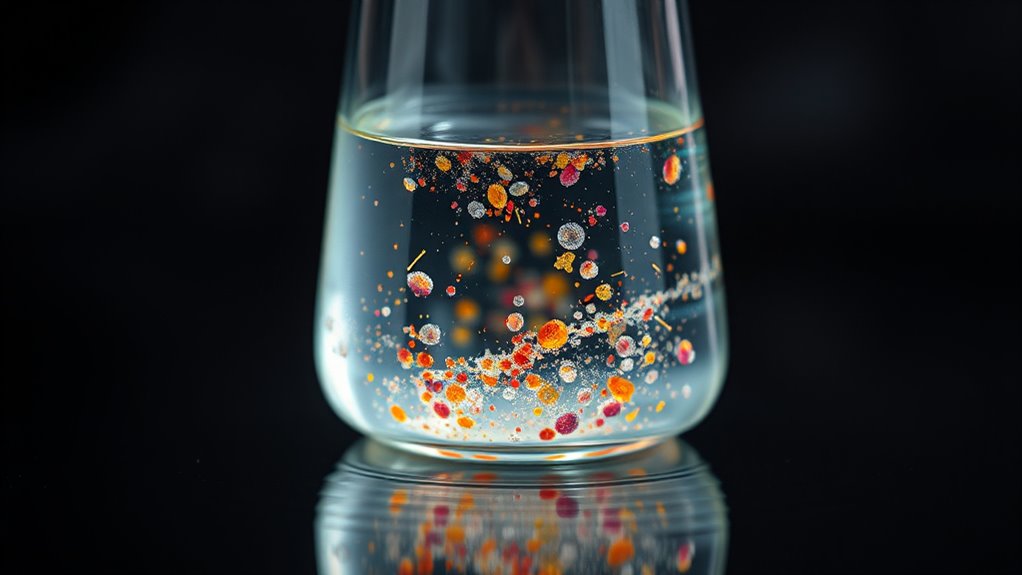

Understanding water contaminants is key to staying healthy. Bacteria can cause infections, while heavy metals like lead and mercury may lead to serious health problems. Chemicals such as pesticides and pharmaceuticals can linger in water, even when it looks clear, risking long-term effects. Standard treatments often don’t remove all these pollutants, so using advanced filters helps. Keep exploring to learn more about keeping your water safe and how to identify hidden dangers.

Get home appliances delivered free — and shop member deals
- Fast, free delivery on millions of items
- Access to Prime Big Deal Days deals on October 6–7
- Prime Video, Amazon Music and more included
Key Takeaways
- Water contaminants include bacteria, heavy metals, pesticides, pharmaceuticals, and industrial chemicals, each posing specific health risks.
- Bacteria in water can cause illnesses like cholera and dysentery; proper treatment reduces microbial contamination.
- Heavy metals such as lead and mercury can bioaccumulate, leading to neurological and organ damage.
- Persistent chemicals like pesticide residues and pharmaceuticals often bypass standard water treatment processes.
- Advanced filtration methods like activated carbon and reverse osmosis effectively remove many chemical and biological contaminants.
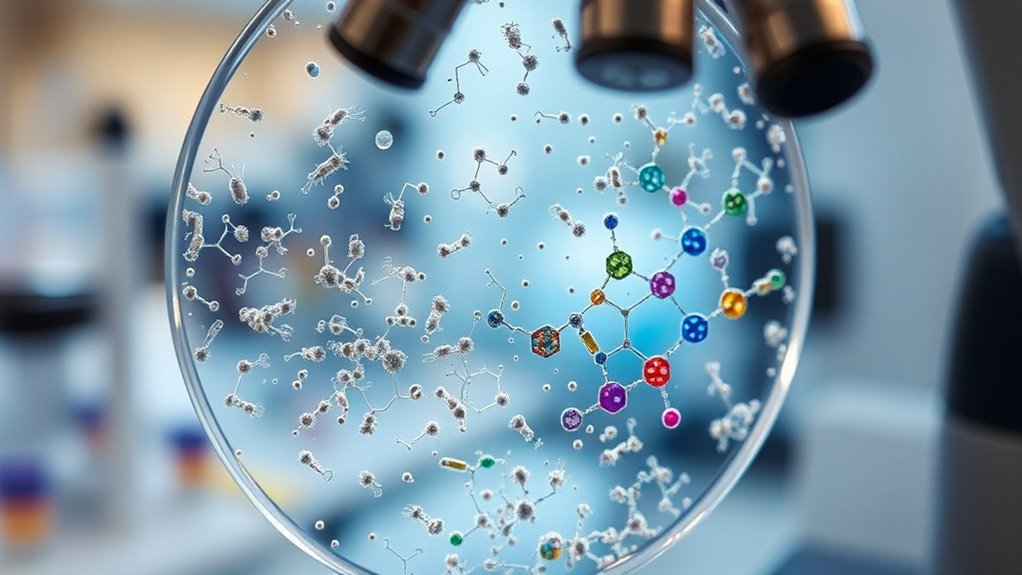
Have you ever wondered what lurks in your water beyond its clear appearance? Even if it looks pristine, it can harbor a range of contaminants that pose serious health risks. Among these, pesticide residues and pharmaceutical pollutants are particularly concerning. Pesticide residues come from agricultural runoff, where chemicals used to protect crops seep into water supplies. These substances can persist long after application, accumulating in water sources and potentially harming your health. When you drink water contaminated with pesticides, you risk exposure to chemicals linked to hormone disruption, neurological issues, and even certain cancers. Pharmaceutical pollutants, on the other hand, originate from human waste, improper disposal of medications, and hospital effluents. These pharmaceuticals—antibiotics, painkillers, hormones—often bypass wastewater treatments, ending up in the water you rely on daily. Consuming water with pharmaceutical residues can lead to antibiotic resistance, hormonal imbalances, and allergic reactions.
Understanding these pollutants means recognizing that water quality isn’t just about clarity; it’s about what’s invisible to the naked eye. Pesticide residues are often chemically stable, meaning they don’t break down easily, lingering in water for months or even years. Similarly, pharmaceutical pollutants can be persistent, especially when they mimic natural hormones or drugs in their chemical structure. These substances can bioaccumulate in aquatic life and eventually find their way into your drinking water. Regular testing and advanced filtration systems become essential tools in identifying and removing these harmful compounds. You might also be surprised to learn that common household activities, like flushing unused medications or using pesticides improperly, can contribute to the problem. Small actions on your part can make a difference in reducing these contaminants.
The presence of these pollutants highlights the importance of understanding water treatment processes. Standard municipal treatments often struggle to fully eliminate pesticide residues and pharmaceuticals, which means that even tap water can contain trace amounts of these chemicals. Specialized filtration systems, like activated carbon filters or reverse osmosis units, are more effective at capturing these substances. Staying informed about your water source helps you make better choices, whether that means installing additional filtration or advocating for stricter pollutant regulation. Ultimately, being aware of what’s in your water empowers you to protect yourself and your family from long-term health risks. It’s a reminder that clean water isn’t just about freshness—it’s about ensuring that what’s unseen doesn’t harm those who depend on it.
Frequently Asked Questions
How Do Water Contaminants Affect Human Health Long-Term?
Long-term exposure to water contaminants can pose serious health risks. You might develop chronic health issues, such as cancer or neurological problems, from prolonged contact with harmful chemicals or metals. These contaminants can also weaken your immune system, making you more vulnerable to infections. Over time, your overall well-being declines, and you may face ongoing medical challenges. It’s essential to guarantee your water is clean to protect your health now and in the future.
Can Water Contaminants Be Detected at Home Easily?
Yes, you can detect water contaminants at home easily with home testing kits. DIY detection kits are available and simple to use, allowing you to check for bacteria, metals, and chemicals yourself. These kits typically include test strips or bottles, and provide quick results. While they may not be as precise as lab tests, they’re a practical way to monitor your water quality regularly and catch potential issues early.
What Are the Most Common Sources of Water Contamination?
Like a thief in the night, water contamination sneaks in from various sources. You’ll find industrial runoff and agricultural runoff are the most common culprits, introducing chemicals, metals, and bacteria into your water supply. Industrial processes release pollutants, while runoff from farms carries fertilizers and pesticides. These contaminants can seep into groundwater or flow into rivers and lakes, making it essential to stay vigilant about your water quality to keep yourself safe.
How Often Should Water Testing Be Performed for Safety?
You should test your water at least once a year to guarantee safety, following recommended frequency guidelines. If you notice changes in taste, smell, or appearance, increase testing frequency. Use reliable testing methods like laboratory analysis or home testing kits for bacteria, metals, and chemicals. Regular testing helps detect contaminants early, protecting your health. If your water source is private, consider testing more often, especially after weather events or repairs.
Are There Cost-Effective Ways to Remove Contaminants From Water?
Yes, you can find cost-effective solutions by installing home filtration systems, performing DIY testing, and using activated carbon filters. These methods help remove bacteria, metals, and chemicals without breaking the bank. Regular maintenance of your filters guarantees consistent water quality. DIY testing kits allow you to monitor contaminants easily and affordably. Combining these approaches offers a practical, budget-friendly way to keep your water safe and clean.
Conclusion
So, next time you turn on the tap, remember that water’s journey isn’t always simple. It’s like catching a lucky break — sometimes, contaminants sneak in just when you least expect it. Staying informed helps you spot these surprises early, making sure your water stays safe. After all, isn’t it funny how something as ordinary as water can hide so many secrets? Keep vigilant, and you’ll always be one step ahead of those unexpected contaminants.
Fall yard work Picks
leaf blowers
As an affiliate, we earn on qualifying purchases.