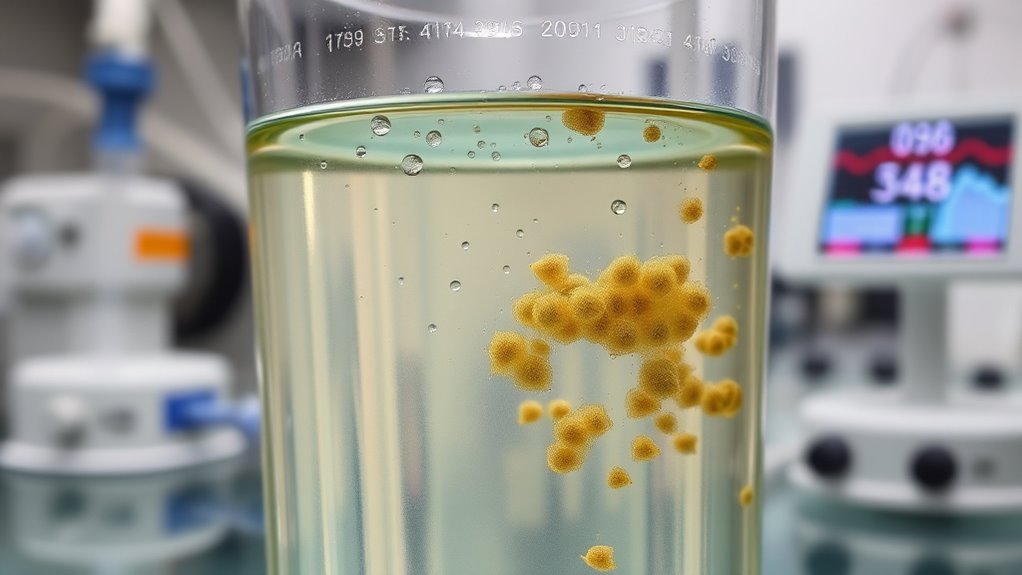

To effectively track seasonal water quality changes, you should regularly monitor key parameters like pH, pollutants, and sediment levels throughout the year. Use this data to identify patterns linked to weather and seasonal shifts, enabling you to modify treatment processes proactively—such as chemical dosing or filtration rates—to guarantee water remains safe and compliant. Staying vigilant allows you to respond quickly to fluctuations. If you want to learn more about maintaining water quality year-round, keep exploring these strategies.
Key Takeaways
- Regularly monitor parameters like pH, turbidity, and pollutant levels to detect seasonal water quality shifts.
- Analyze historical data to identify patterns and anticipate seasonal fluctuations in water characteristics.
- Adjust chemical dosing, filtration, and disinfection processes proactively based on seasonal water quality trends.
- Utilize real-time sensors and automated systems for timely detection and response to changing water conditions.
- Implement adaptive management strategies to optimize treatment efficiency and ensure water safety throughout the year.

Understanding how water quality fluctuates with the seasons is essential for maintaining safe and effective treatment processes. As seasons change, you’ll notice that factors like pH levels and pollutant concentrations don’t stay constant. Instead, they ebb and flow, influenced by weather patterns, runoff, and biological activity. Recognizing these patterns allows you to adapt your treatment methods proactively, ensuring water remains safe for consumption and ecological health.
Seasonal water quality changes require proactive treatment adjustments for safety and effectiveness.
pH fluctuations are a common seasonal challenge. During colder months, water sources often become more acidic or alkaline due to reduced biological activity and chemical reactions. Conversely, warmer seasons tend to increase pH levels because of heightened biological processes and increased photosynthesis in natural water bodies. If you don’t account for these shifts, your treatment processes may become less effective. For example, if the water’s pH drifts outside the ideal range, it can hinder disinfection or cause corrosion in pipes. Regular monitoring helps you identify these pH swings early, enabling you to adjust chemical dosing—adding acids or alkalis as needed—to keep pH within safe limits.
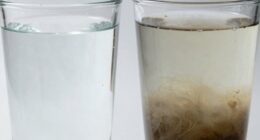
Pollutant variations also occur seasonally and can considerably impact water treatment. During heavy rains or snowmelt, runoff often carries increased levels of nutrients, sediments, pesticides, and other contaminants into water sources. These pollutant surges demand heightened treatment efforts to prevent contamination. Conversely, during dry seasons, pollutant levels might decrease, but other issues like algae blooms or increased organic matter can pose risks. Understanding these seasonal pollutant trends helps you tailor your treatment strategies, such as adjusting filtration rates, increasing disinfection doses, or adding specific chemical treatments to target emerging contaminants.
To stay ahead of these fluctuations, continuous water quality monitoring is crucial. By analyzing data regularly, you can detect subtle shifts in pH and pollutant levels and respond promptly. Implementing adaptive treatment protocols allows you to modify chemical dosages, adjust filtration processes, or incorporate additional treatment steps during expected seasonal peaks. This proactive approach minimizes the risk of treatment failures and ensures compliance with safety standards.
Additionally, advances in monitoring technology, such as real-time sensors and data analytics, can significantly enhance your ability to track these changes effectively. By leveraging innovative water quality tools, you can gain deeper insights into seasonal patterns and optimize your treatment processes accordingly.
Ultimately, tracking seasonal changes isn’t just about reacting to problems; it’s about anticipating them. By understanding how pH fluctuations and pollutant variations evolve throughout the year, you gain the insight needed to refine your water treatment processes. This knowledge helps you maintain consistent water quality, protect public health, and reduce operational costs. Staying vigilant and adaptable in your approach means you’ll be better equipped to handle the natural ebb and flow of water characteristics, ensuring safe, reliable water treatment all year round.
Frequently Asked Questions
How Do Climate Change Impacts Influence Seasonal Water Quality Patterns?
Climate variability and rising water temperatures substantially impact seasonal water quality patterns. You’ll notice that warmer temperatures can boost algae growth, leading to oxygen depletion and harmful blooms. These changes disrupt ecosystems and may require you to adjust treatment processes. As climate change causes unpredictable fluctuations, you need to monitor water temperature closely and adapt your water management strategies to maintain quality and protect public health.
What Are the Economic Implications of Adjusting Water Treatment Seasonally?
Adjusting water treatment seasonally impacts your costs and benefits. For example, a city might increase treatment during summer months when algae blooms raise pollutant levels, boosting operational costs. A thorough cost-benefit analysis helps you determine if the improved water quality justifies the extra expenses. While seasonal adjustments can be costly initially, they often reduce long-term health risks and compliance fines, making them a smart economic move.
How Can Community Engagement Improve Seasonal Water Quality Management?
You can improve seasonal water quality management by boosting public awareness and encouraging community involvement. When residents understand the importance of water quality, they’re more likely to participate in volunteer programs like water testing or cleanup events. These efforts help identify issues early and support tailored solutions. Engaged communities foster shared responsibility, leading to better water management outcomes and healthier water sources throughout different seasons.
What Emerging Technologies Assist in Real-Time Water Quality Monitoring?
Imagine a web of sensor networks, quietly humming beneath the water’s surface, capturing real-time data. These emerging technologies, combined with advanced data analytics, allow you to monitor water quality instantly, detecting changes and pollutants as they happen. This seamless system empowers you to respond swiftly, ensuring safe, clean water year-round. By embracing these innovations, you stay ahead of seasonal shifts and protect public health effectively.
How Do Seasonal Changes Affect the Long-Term Sustainability of Water Treatment Infrastructure?
Seasonal changes impact the long-term sustainability of your water treatment infrastructure by increasing strain on pipelines and complicating sediment management. During colder months, you need to perform regular pipeline maintenance to prevent freezing and corrosion. Warmer seasons may cause sediment buildup, requiring more frequent cleaning. Addressing these seasonal challenges guarantees your infrastructure remains efficient, reduces costly repairs, and prolongs service life, safeguarding water quality year-round.
Conclusion
By continuously monitoring seasonal water quality changes, you can adapt your treatment processes like a skilled sailor adjusting sails to the shifting wind. This proactive approach guarantees your water remains safe and clean year-round, even as nature’s conditions fluctuate unpredictably. Staying vigilant allows you to catch issues early, preventing problems before they escalate. Think of it as tending a garden — with regular care, your water quality stays healthy and vibrant, no matter the season.