
Testing for coliform bacteria helps you determine if your water is contaminated with sewage, animal waste, or runoff, which can pose health risks. To collect samples properly, use sterile containers, wash your hands first, and fill the container without touching its inside. Label and transport the sample quickly to the lab, ideally within 24 hours. If bacteria are found, follow recommended steps to treat or repair your water system—that deeper process can be explored further.

Get home appliances delivered free — and shop member deals
- Fast, free delivery on millions of items
- Access to Prime Big Deal Days deals on October 6–7
- Prime Video, Amazon Music and more included
Key Takeaways
- Testing for coliform bacteria detects possible water contamination from sewage or animal waste, indicating potential health risks.
- Use sterile containers and follow proper collection procedures to avoid sample contamination and ensure accurate results.
- Collect samples from the tap after running water for a few minutes or as per local guidelines; send promptly to the lab.
- Clearly label samples with date, time, and location, and transport quickly to prevent bacterial growth or die-off.
- A positive coliform test signals contamination, requiring further investigation and possible water treatment to ensure safety.
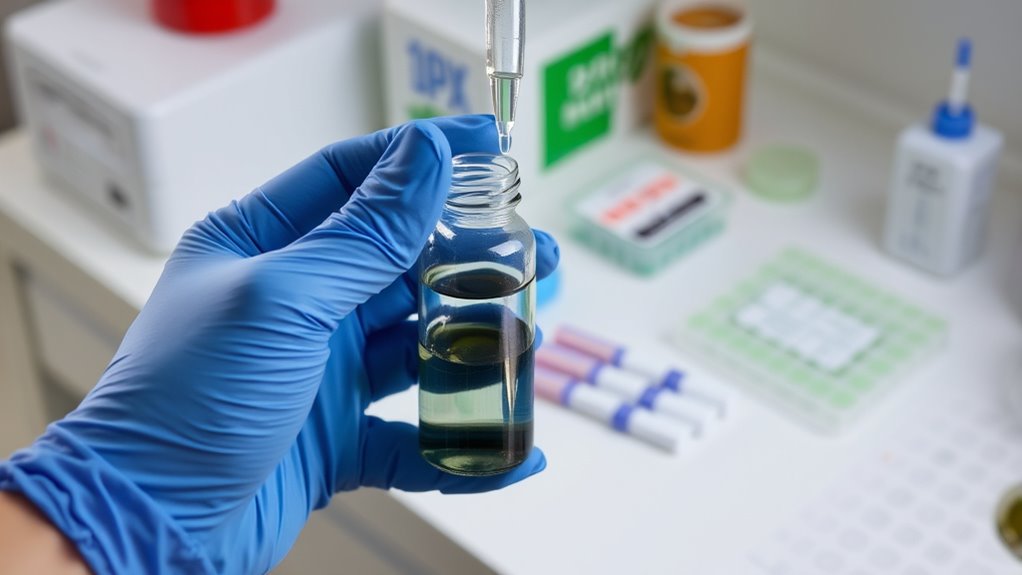
Ever wonder how you can tell if your water is safe to drink? Testing for coliform bacteria is a crucial step in ensuring water safety and protecting yourself from potential health risks. Coliform bacteria are a group of microorganisms that originate from contamination sources such as sewage, animal waste, or runoff from land. Their presence in water indicates that other harmful pathogens might also be lurking, which is why regular testing is essential. Knowing how to identify contamination sources helps you take prompt action to safeguard your water supply and prevent illness.
To understand what testing involves, it’s important to recognize that coliform bacteria are considered indicator organisms. Their presence doesn’t necessarily mean harmful bacteria are present, but it does suggest that contamination has occurred. This contamination could come from various sources—leaking septic systems, agricultural runoff, or even faulty plumbing. Detecting coliform bacteria serves as a warning sign, prompting further testing to confirm whether dangerous pathogens are present. This process is vital for maintaining water safety, especially if you rely on well water or have concerns about municipal water quality.
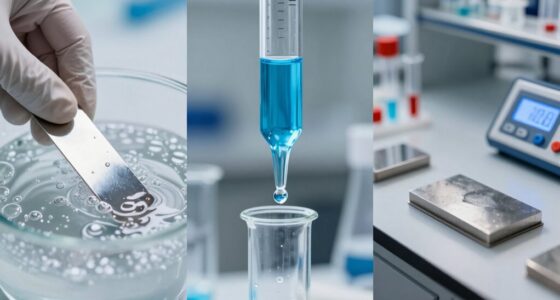
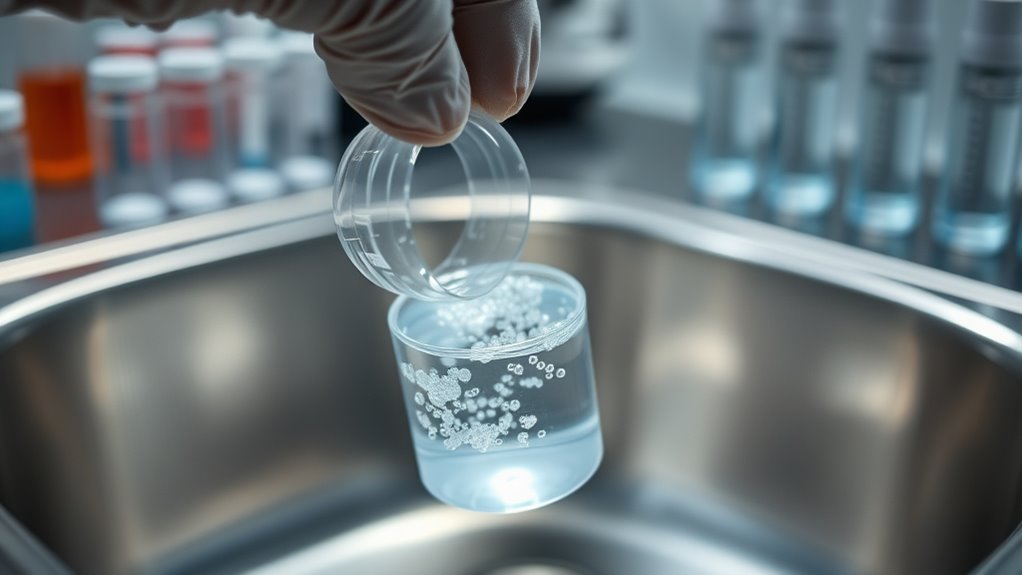
When collecting samples for testing, you need to follow specific procedures to ensure accuracy. First, always use a sterile container provided by the testing laboratory or health department. Before collecting the sample, make sure to wash your hands thoroughly and avoid touching the inside of the container or cap to prevent introducing any contaminants. Fill the container without touching the inside surfaces and cap it securely. It’s best to collect the sample from a tap that’s been running for a few minutes to flush out stagnant water. If you’re testing a well, make sure you follow local guidelines on how to access the water source safely. Timing is also critical—send the sample to the lab as soon as possible, ideally within 24 hours, to prevent bacterial growth or die-off that could skew results.
After collecting the sample, label it clearly with the date, time, and location, then follow the instructions for transportation to the testing facility. Once the results come back, a positive test for coliform bacteria indicates the need for further investigation and treatment, such as disinfection or repairs to the water system. Regular testing and quick response to contamination sources are key to maintaining water safety and preventing health issues. By understanding how to test for coliform bacteria and collecting samples properly, you take an active role in safeguarding your water supply and your health.
water testing kit for coliform bacteria
As an affiliate, we earn on qualifying purchases.
As an affiliate, we earn on qualifying purchases.
Frequently Asked Questions
How Often Should I Test My Water for Coliform Bacteria?
You should test your water for coliform bacteria at least once a year to guarantee safety. If you notice any changes in water taste, smell, or appearance, test more frequently. For well water, testing quarterly is advisable, especially after storms or repairs. Always follow safety precautions when collecting samples to avoid contamination. Regular testing helps you catch problems early and keeps your water safe for your family.
Can Coliform Bacteria Be Present Without Causing Illness?
Yes, coliform bacteria can be present without causing illness, especially if testing shows indicators that suggest contamination but results are false positives. These false positives can occur due to sample contamination or testing errors, meaning bacteria may be detected even when the water is safe. That’s why it’s important to confirm positive results with additional testing and not assume your water is unsafe solely based on initial tests.
Are Home Testing Kits as Accurate as Lab Tests?
Home testing kits aren’t as accurate as lab tests when comparing the two. While a home test can give you a quick indication of coliform bacteria presence, lab comparison provides more precise and reliable results. If your home test shows contamination, it’s best to follow up with a professional lab analysis to confirm the findings and guarantee your water safety. Always consider lab testing for critical health decisions.
What Steps Should I Take if My Water Tests Positive?
If your water tests positive for coliform bacteria, don’t panic—take immediate action. Stop using the water for drinking or cooking, and follow emergency procedures like boiling water for at least a minute before use. Contact a professional to assess your water system and determine the source of contamination. Prompt professional consultation is essential to guarantee your water becomes safe again and prevent potential health risks.
How Long Does It Take to Get Test Results Back?
You can typically expect testing turnaround times to be between 24 to 48 hours, depending on the lab processing your samples. Some labs may offer expedited testing options if you need results quickly. Keep in mind that delays can occur due to high demand or specific testing requirements. To stay informed, ask the testing facility about their estimated processing time when you submit your samples.
As an affiliate, we earn on qualifying purchases.
Conclusion
So, after all this, you’d think testing for coliform bacteria is just a simple routine. But here’s the irony: the very bacteria that signal potential danger can also be harmless, making your test feel like a confusing game of hide and seek. You might think your water’s safe, only to discover it’s hiding tiny threats. It’s a reminder that sometimes, the biggest risks are the ones we overlook—until it’s too late.
home water testing kit for bacteria
As an affiliate, we earn on qualifying purchases.
As an affiliate, we earn on qualifying purchases.
water sample transport containers
As an affiliate, we earn on qualifying purchases.
As an affiliate, we earn on qualifying purchases.
NFL season / tailgating Picks
team gear
As an affiliate, we earn on qualifying purchases.