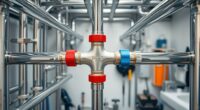
To monitor chlorine and chloramine residuals in municipal water, you should regularly test samples using proper collection methods and calibrated equipment. Maintaining accurate residual levels ensures effective disinfection while minimizing disinfection byproducts that could harm health. Consistent measurement helps you identify fluctuations caused by demand, temperature, or treatment system changes. Staying vigilant about residual monitoring allows you to balance water safety and quality, and if you keep exploring, you’ll find even more ways to optimize your water management practices.

Get home appliances delivered free — and shop member deals
- Fast, free delivery on millions of items
- Access to Prime Big Deal Days deals on October 6–7
- Prime Video, Amazon Music and more included
Key Takeaways
- Regularly collect water samples using standardized procedures to ensure accurate residual measurement.
- Calibrate testing equipment consistently to maintain measurement accuracy of chlorine and chloramine levels.
- Monitor residual levels over time to detect fluctuations caused by demand, temperature changes, or treatment adjustments.
- Adjust disinfectant dosing based on residual data to maintain effective disinfection without excessive byproduct formation.
- Document and analyze residual data to ensure compliance with health standards and protect public health.
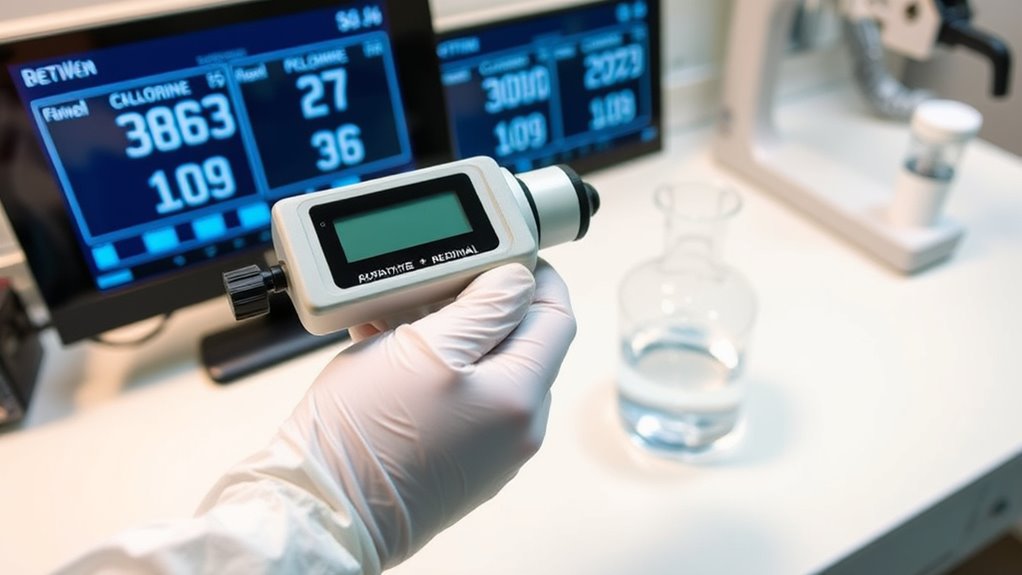
Monitoring water residuals is essential for guaranteeing safe and effective water treatment processes. When you keep a close eye on chlorine and chloramine levels, you help protect public health by maintaining proper disinfection while minimizing potential risks. These residuals are critical because they indicate whether the water remains disinfected as it travels through the distribution system. Too little residual can allow bacteria and other pathogens to grow, compromising water safety, while too much can lead to the formation of disinfection byproducts, which pose health concerns over time.
Monitoring residuals ensures safe, effective water treatment by preventing pathogen growth and limiting harmful byproduct formation.
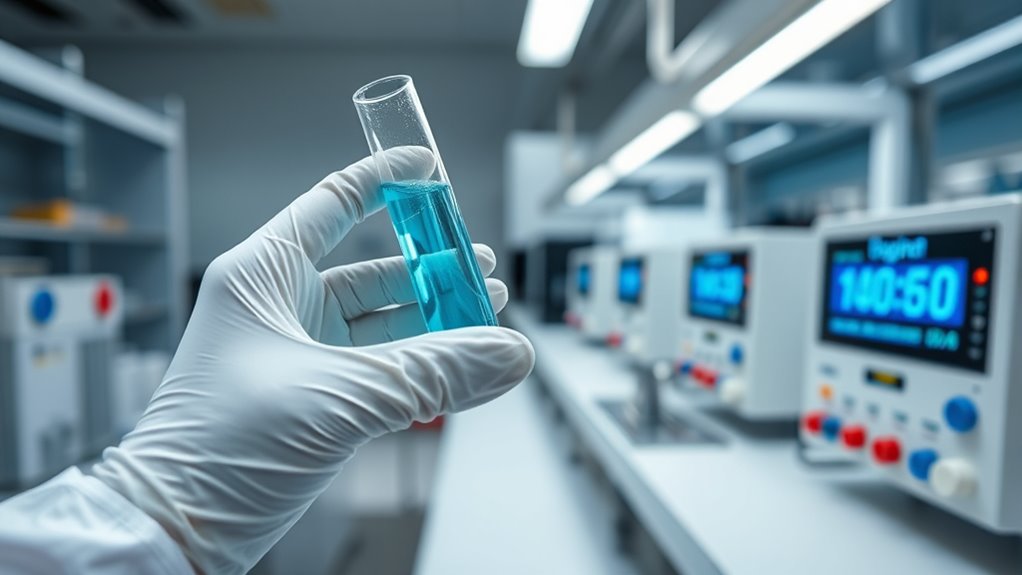
To accurately monitor these residuals, sample collection plays a key role. It’s important to collect samples correctly—using proper containers, avoiding contamination, and following standardized procedures—so the results truly reflect the water’s condition. Regular sampling helps detect fluctuations in residual levels, which can occur due to changes in water demand, temperature, or treatment processes. When you perform consistent sample collection, you can quickly identify any deviations from desired residual ranges, allowing for adjustments that keep water quality ideal.
When monitoring chlorine and chloramine residuals, understanding the relationship between residual levels and disinfection byproducts is crucial. Elevated residuals can lead to increased formation of these byproducts, such as trihalomethanes and haloacetic acids, which are linked to health risks like cancer and reproductive issues. By maintaining residuals within target ranges, you reduce the likelihood of excessive disinfection byproduct formation. This balance requires precise measurement and control, which hinges on your ability to collect samples accurately and analyze them swiftly.
In terms of practical steps, you should regularly calibrate your testing equipment and follow established protocols for sample collection. This ensures consistency and reliability in your measurements. Additionally, tracking residual levels over time helps you identify trends and implement proactive adjustments in your treatment process. If you notice residuals dropping below recommended levels, you might need to increase disinfectant dosing. Conversely, if residuals are too high, reducing dosage or implementing other mitigation measures can prevent over-chlorination and limit disinfection byproduct formation.
Ultimately, the key to effective residual monitoring is understanding that your actions—especially sample collection and analysis—directly influence water safety. Precise measurement allows you to strike the right balance between effective disinfection and minimizing health risks associated with disinfection byproducts. Staying vigilant and methodical ensures that the water reaching consumers remains safe, clean, and compliant with health standards. Maintaining awareness of disinfection byproduct formation is vital for protecting public health over the long term.
water testing kit for chlorine and chloramine
As an affiliate, we earn on qualifying purchases.
As an affiliate, we earn on qualifying purchases.
Frequently Asked Questions
How Often Should Residuals Be Tested in Municipal Water Systems?
You should test residuals regularly, typically at least once a day, to guarantee regulatory compliance and maintain water safety. The sampling frequency may vary based on local regulations and system size, but consistent testing helps identify fluctuations in chlorine or chloramine levels. By monitoring residuals frequently, you’ll ensure your municipal water system remains compliant with standards and provides safe, clean water to consumers.
What Are the Health Effects of High Chlorine and Chloramine Levels?
You might think high chlorine and chloramine levels are harmless, but they can pose health risks by irritating your skin, eyes, and respiratory system. Excessive exposure can weaken your immune response over time, increasing vulnerability to infections. Long-term consumption of water with elevated residuals may also cause gastrointestinal issues. It’s essential to monitor and maintain safe residual levels to protect your health and support a strong immune response.
Which Testing Methods Are Most Accurate for Residual Monitoring?
You should use spectrophotometric analysis and colorimetric testing for the most accurate residual monitoring. Spectrophotometric analysis provides precise measurements by analyzing light absorption, making it ideal for detecting chlorine and chloramine levels. Colorimetric testing is quick and straightforward, using color changes to determine residual concentrations. Combining these methods guarantees reliable results, helping you maintain safe water quality standards effectively.
How Do Temperature and Ph Affect Chlorine and Chloramine Stability?
Think of chlorine and chloramine as delicate dancers, sensitive to their environment. Temperature fluctuations can cause them to waver—higher temps often accelerate their decay, while cooler temps help them stay steady. pH adjustments act like a gentle guide, with higher pH levels stabilizing chloramine and lower pH favoring chlorine. By controlling these factors, you keep their performance flawless, ensuring safe, consistent water treatment.
What Regulatory Standards Govern Residual Levels in Municipal Water?
You need to follow EPA regulations, which set maximum residual disinfectant levels (MRDLs) for chlorine (4 mg/L) and chloramine (4 mg/L) in municipal water. These standards aim to control residual decay while ensuring water remains safe. Regular testing and monitoring help you stay compliant, preventing over- or under-chlorination. Staying within these limits protects public health and maintains effective water treatment processes.
As an affiliate, we earn on qualifying purchases.
Conclusion
By keeping a gentle watch over chlorine and chloramine levels, you act as a silent guardian, ensuring water flows smoothly like a calming stream. Your careful monitoring helps maintain the delicate balance, much like tending a quiet garden where each element plays its part. With your attentive eye, you create a safe, clear pathway for everyone to enjoy pure, invigorating water—like a peaceful oasis in the bustling city. Your vigilance keeps the water’s harmony flowing effortlessly.
water sample collection containers
As an affiliate, we earn on qualifying purchases.
As an affiliate, we earn on qualifying purchases.
As an affiliate, we earn on qualifying purchases.
NFL season / tailgating Picks
team gear
As an affiliate, we earn on qualifying purchases.