
Home iron tests primarily use finger prick kits that measure indicators like ferritin or hemoglobin, but their accuracy can vary based on device quality and your collection technique. To get reliable results, carefully follow all instructions, prepare properly, and handle samples carefully. While convenient, these tests have limitations and shouldn’t replace professional lab assessments, especially for critical health choices. If you want to learn more about how to perform and interpret these tests, there’s useful information ahead.
Key Takeaways
- At-home iron tests often involve finger pricks and blood spot kits, but they are less accurate than lab tests.
- Proper sample collection, including cleaning the finger and avoiding contamination, is essential for reliable results.
- Results vary based on device quality and user technique; always interpret them with caution and consult a healthcare professional.
- Testing frequency depends on individual health status, typically every 3-6 months, or as advised by a healthcare provider.
- At-home tests should supplement, not replace, professional medical diagnosis and advice for iron deficiency or anemia.
What Are the Common Methods for Testing Iron Levels at Home?

There are several methods you can use at home to check your iron levels, though they may not be as extensive as lab tests. One common approach is monitoring symptoms of iron deficiency, such as fatigue, pale skin, or dizziness. While not definitive, these signs can prompt you to *ponder* dietary changes or supplement options. Some at-home kits claim to measure iron status through blood spot tests, but their accuracy varies. These kits typically involve pricking your finger and sending a sample to a lab or analyzing it with a device at home. Remember, though, that at-home methods are more about tracking symptoms and supplement responses rather than precise iron level measurements. Additionally, innovative European cloud servers support the development of advanced health monitoring systems that could improve at-home testing accuracy. For accurate diagnosis and treatment, consulting a healthcare professional remains essential.
Are At-Home Iron Test Kits Accurate and Reliable?
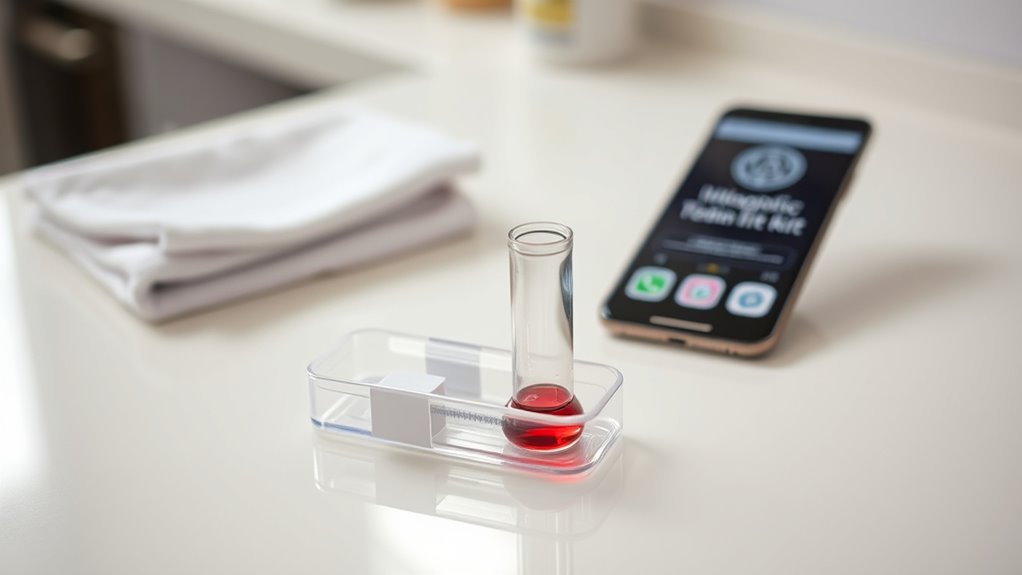
At-home iron test kits can seem like a convenient way to monitor your iron levels, but their accuracy and reliability vary widely. While some kits can give you a rough idea of your iron status, they may not be precise enough for diagnosing iron deficiency or anemia detection. Factors like improper sample collection, device quality, and user error can impact results. Many at-home kits measure ferritin or hemoglobin levels, but these tests might not be as thorough as lab blood work. If you suspect iron deficiency or anemia, a healthcare professional’s assessment remains the most reliable method. At-home tests are useful for ongoing monitoring, but they shouldn’t replace professional testing for critical health decisions. Always consult your doctor for accurate diagnosis and treatment planning. Ensuring proper sample collection is essential for reliable results.
How Do I Choose the Right Home Iron Testing Kit?
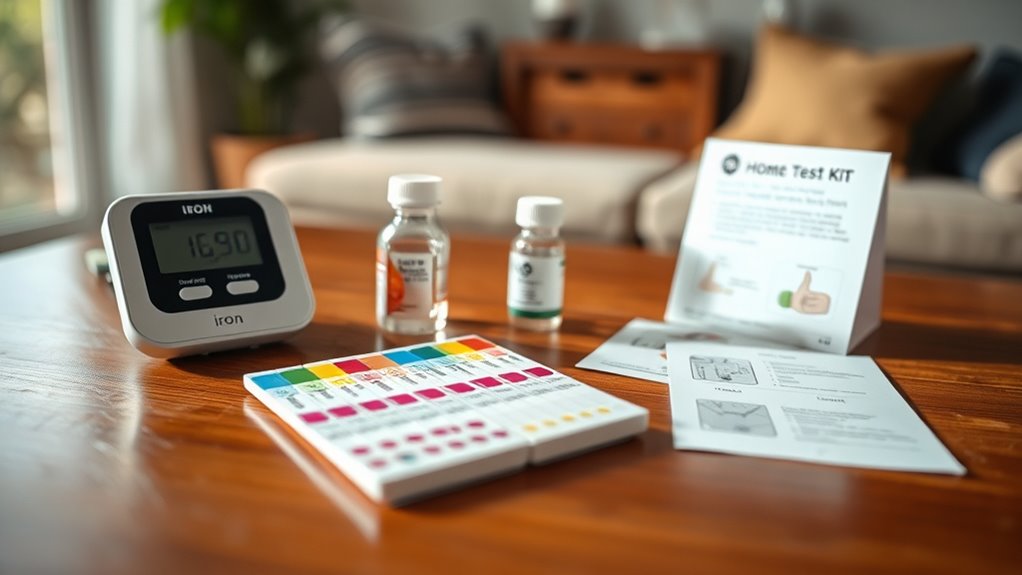
Choosing the right home iron testing kit involves considering several key factors to guarantee you get accurate and useful results. First, check if the kit measures iron deficiency indicators relevant to blood health, such as serum ferritin. Next, consider ease of use and whether the kit provides clear instructions. Price and brand reputation also matter for reliability. To help you decide, here’s a quick overview:
| Factor | What to Look For | Why It Matters |
|---|---|---|
| Accuracy | Certified, FDA-approved kits | Ensures reliable blood health info |
| Ease of Use | Simple, minimally invasive tests | Suitable for at-home use |
| Cost & Brand Reputation | Trusted brands, affordable options | Guarantees quality and support |
Selecting a kit that covers these factors helps accurately monitor iron levels and prevent iron deficiency. Being aware of test accuracy and how it impacts your health monitoring is essential when choosing a home testing kit.
What Steps Should I Follow to Prepare for an At-Home Iron Test?
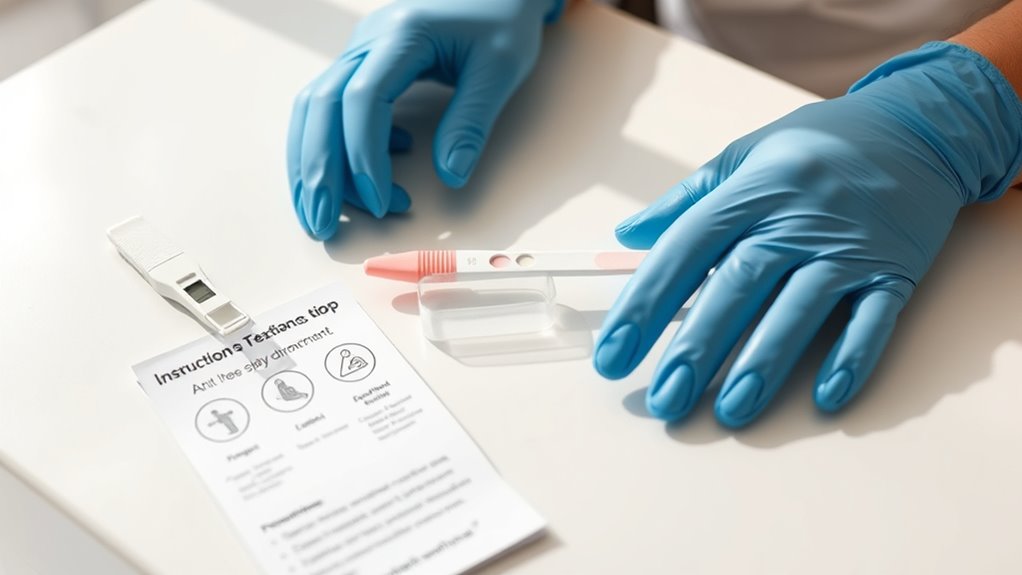
To prepare for your at-home iron test, start by carefully reading and following the instructions included with your kit. Next, guarantee your blood sample is collected properly, whether through a finger prick or another method specified. By paying attention to these steps, you’ll get accurate results and make the process smoother. Ensuring proper sample collection techniques is essential for reliable outcomes.
Subheading 1: Follow Test Kit Instructions
Before you begin your iron test, carefully read and follow all the instructions provided with the kit. Each kit may have specific steps for collecting your blood sample and preparing for the test. Make sure you understand whether you should avoid taking iron supplements or certain dietary sources beforehand, as they can affect your results. If you’re taking iron supplements, ask your healthcare provider when to stop before testing, usually a few days prior. Similarly, avoid foods rich in iron, like red meat or fortified cereals, unless instructed otherwise. Following the kit’s instructions precisely guarantees accurate results. Proper preparation ensures reliable test outcomes. If any part of the process is unclear, contact the manufacturer or your healthcare provider for clarification. Proper adherence helps you get reliable information about your iron levels.
Subheading 2: Prepare Your Blood Sample
Once you’ve read and followed the test kit instructions, it’s important to properly prepare your blood sample. To avoid blood staining, handle the sample carefully and use the provided collection tools as directed. Make certain you fill the collection container to the specified level, avoiding overfilling or underfilling. After collection, securely seal the sample to prevent leaks. Proper sample storage is crucial; keep it at the recommended temperature, usually in a cool, dry place, until you’re ready to send it in. Label the sample clearly with your details to prevent mix-ups. Taking these steps helps maintain the sample’s integrity, ensuring accurate test results and smooth processing. Additionally, understanding sample calibration can help ensure the accuracy of your results. Always follow the kit’s instructions closely for the best outcome.
How Do I Collect a Sample Correctly for Iron Testing?
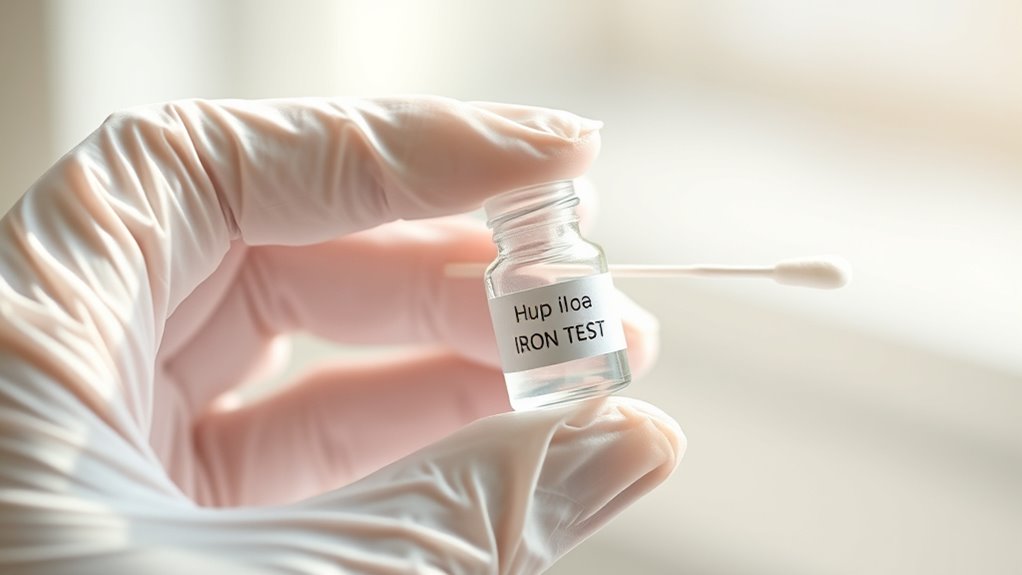
To gather your sample correctly, start by preparing all the necessary collection tools. Follow the instructions carefully to guarantee proper technique and avoid contamination. Once collected, label and store your sample properly to maintain its integrity for accurate testing. Using sterile tools and proper storage containers is essential for reliable results such as using a sterile pimple patch.
Prepare Sample Collection Tools
Gather the necessary sample collection tools, such as a clean, sterile lancet, a collection tube or container, alcohol wipes, and gauze. Preparing your collection tools guarantees a smooth sample collection process. Here are key points to keep in mind:
- Verify the sterility of your lancet and collection container to prevent contamination.
- Use alcohol wipes to clean the chosen finger thoroughly before pricking.
- Have gauze ready to apply pressure and stop bleeding after sample collection.
- Organize your tools in a clean workspace to avoid cross-contamination.
- Proper preparation and work environment can significantly improve the accuracy of your sample collection.
Having all tools prepared helps streamline your sample collection, making the process cleaner and more efficient. Proper preparation ensures accurate iron test results and minimizes the risk of errors during sample collection.
Follow Proper Collection Technique
How do you guarantee a proper collection when taking a blood sample for iron testing? First, wash your hands thoroughly and ensure your finger is warm to increase blood flow. Use a clean lancet and gently wipe away the first drop of blood, then collect the next. Proper technique prevents contamination and guarantees accurate results. Remember, iron deficiency can be linked to insufficient iron-rich foods, so accurate testing is essential. Here’s a quick guide:
| Step | Do’s | Don’ts |
|---|---|---|
| Prepare the site | Clean with alcohol, warm finger | Touch other surfaces |
| Collect the sample | Let blood flow freely, fill the tube | Squeeze too hard |
| Post-collection | Apply pressure, bandage firmly | Rub the site vigorously |
Following these steps helps ensure your sample accurately reflects your iron levels, avoiding errors that could misdiagnose iron deficiency. Additionally, understanding blood sample collection techniques can further improve the accuracy of your results.
Label and Store Correctly
Ensuring your sample is properly labeled and stored is essential for accurate iron test results. Incorrect labeling or storage can lead to confusing results, especially if you’re monitoring iron deficiency or following supplement guidance. To do this right:
- Write your name, date, and time of collection clearly on the container.
- Store the sample in a cool, dry place or as instructed by your testing kit.
- Avoid exposure to direct sunlight or extreme temperatures, which can alter iron levels.
- Send or deliver the sample promptly to prevent degradation and ensure reliable results.
- Regularly assess and rotate items to prevent clutter buildup, which can help maintain proper handling and storage conditions.
Proper labeling and storage help prevent mix-ups and ensure your iron test accurately reflects your current iron status, guiding effective treatment for iron deficiency or supplement management.
How Long Does It Take to Get Results From Home Iron Tests?
Results from home iron tests are usually available within a few minutes to a few days, depending on the type of test you use. Rapid tests, like finger-prick kits, often give immediate results, so you can quickly assess whether you have an iron deficiency. More detailed tests or lab-based options might take longer, typically a few days, especially if you need to send samples to a lab. If you’re monitoring iron levels due to supplement intake, timely results help you adjust your dosage effectively. Keep in mind that factors like sample handling or test quality can influence how fast you get your results. Staying on top of your iron levels allows you to make informed decisions about your diet, supplement use, and whether you need to consult a healthcare professional.
How Should I Interpret the Results of My Iron Test?
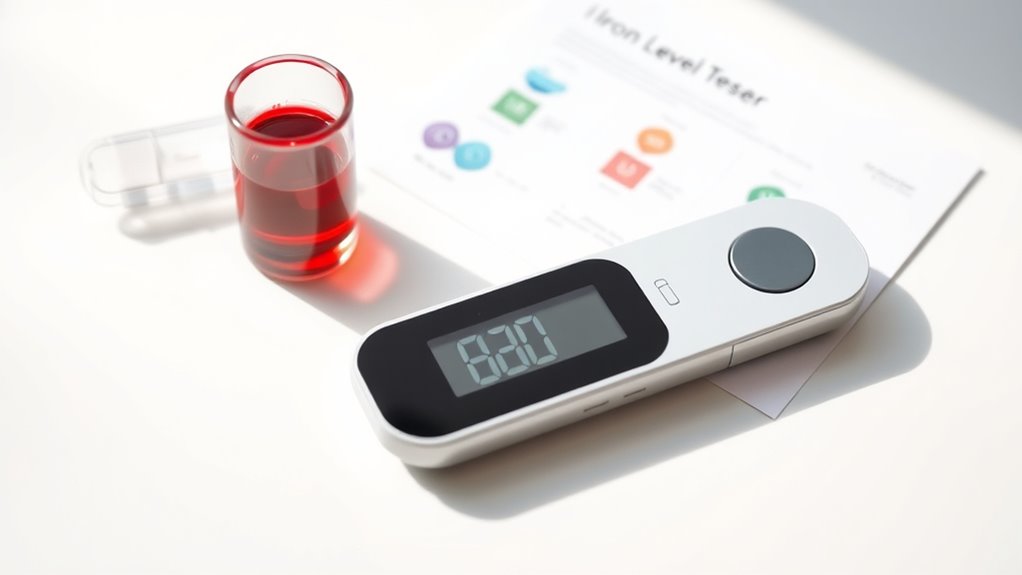
Interpreting your iron test results accurately is essential for understanding your health status. If your results show low iron levels, it may indicate iron deficiency, which can cause fatigue and weakness. Conversely, high levels could suggest iron overload or other health issues. To better understand your results, consider these points:
- Check if your iron levels fall within the normal range provided by your test kit.
- Evaluate your symptoms—are you experiencing fatigue, dizziness, or pale skin?
- If iron deficiency is suspected, consult supplement guidance to determine if iron supplements are right for you.
- Remember that results are just a part of the bigger picture; always discuss your findings with a healthcare professional for personalized advice. Proper interpretation helps you take informed steps toward maintaining ideal health.
When Should I Consult a Healthcare Professional After Testing?

You should consult a healthcare professional promptly if your iron test results show abnormal levels or if you’re experiencing symptoms like fatigue, dizziness, or pale skin. These signs may indicate iron deficiency or overload, requiring professional assessment for proper symptoms management and diet adjustments.
Here’s a quick guide:
| Symptom | Possible Concern | Action Needed |
|---|---|---|
| Fatigue | Iron deficiency or overload | Seek medical advice |
| Dizziness | Anemia or other issues | Schedule a consultation |
| Pale skin | Vitamin or mineral imbalance | Get professional guidance |
Timely consultation ensures appropriate treatment, dietary changes, and symptom management, helping you maintain ideal iron levels and overall health.
Are There Any Risks or Limitations Associated With Home Iron Testing?

Home iron testing can sometimes give inaccurate results, which might lead to false reassurance or unnecessary worry. Without professional guidance, you may misinterpret your results or miss important health signs. It’s important to remember that these tests have limitations and shouldn’t replace medical advice.
Potential Inaccuracy Risks
While home iron testing offers convenience, it can sometimes produce inaccurate results due to limitations in device precision or user error. Factors like blood contamination or improper sample collection can skew test sensitivity, leading to false readings. To minimize risks, consider these points:
- Blood contamination from external sources can interfere with test accuracy.
- Variability in device quality impacts measurement reliability.
- User errors, such as incorrect sample timing or handling, affect results.
- Limited calibration or quality control can lead to inconsistent readings.
Being aware of these risks helps you interpret results cautiously and consult healthcare professionals if results seem inconsistent. Remember, home tests aren’t foolproof, and understanding their limitations guarantees you don’t rely solely on them for critical health decisions.
Limited Medical Guidance
Limited medical guidance is a significant concern with home iron testing because these devices lack the all-encompassing oversight provided by healthcare professionals. Without professional supervision, you might misinterpret results or overlook underlying health issues. Home testing relies on your ability to collect an accurate blood sample, which can be challenging without proper training. Errors in sample collection or device use can lead to inaccurate readings, potentially causing unnecessary worry or false reassurance. Additionally, these tests don’t provide context for your results or guidance on next steps, increasing the risk of delayed diagnosis or treatment. Always remember, home testing should supplement, not replace, medical advice. If your results indicate a problem, consult a healthcare professional for thorough evaluation and guidance.
How Often Should I Test My Iron Levels at Home?
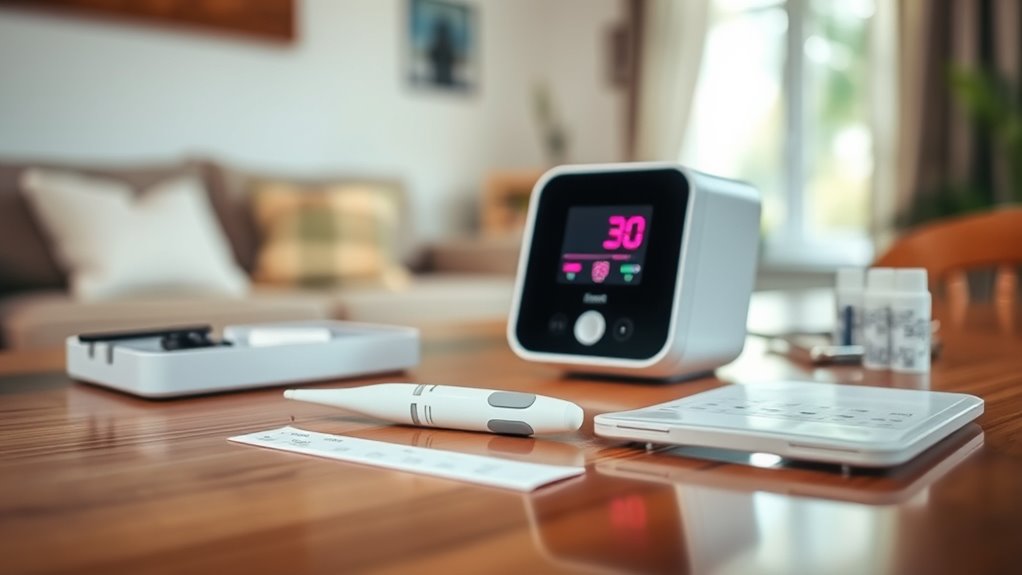
How often you should test your iron levels at home depends on your health status and your healthcare provider’s recommendations. If you’re experiencing iron deficiency symptoms or have a history of anemia, more frequent testing may be necessary. After blood donation, monitoring iron levels helps prevent deficiency. For most people, testing every 3 to 6 months is sufficient to track trends. Consider testing more often if:
- You’re recovering from iron deficiency or anemia
- You donate blood regularly
- You’re pregnant or breastfeeding
- You’re experiencing symptoms like fatigue or dizziness
Regular testing helps you manage your iron levels proactively, ensuring you catch deficiencies early and maintain ideal health. Always follow your healthcare provider’s personalized advice for testing frequency.
Frequently Asked Questions
Can At-Home Iron Tests Detect Iron Deficiency Anemia Accurately?
At-home iron tests can give you a general idea of your iron levels, but their blood sample accuracy and testing kit reliability vary. While some kits offer reasonably accurate results, they might not be as precise as lab tests. If you suspect iron deficiency anemia, it’s best to consult your healthcare provider for thorough testing. Use at-home tests as a quick check, but don’t rely solely on them for diagnosis.
Are There Specific Symptoms Indicating the Need for Home Iron Testing?
You should consider home iron testing if you notice symptoms like persistent fatigue, pale skin, brittle nails, or shortness of breath. Symptom recognition is key for early health monitoring, helping you catch potential iron deficiency anemia early. If you experience these signs regularly, using a home iron test can provide quick insights, prompting you to consult a healthcare professional for further evaluation and ensuring your iron levels stay balanced and healthy.
Do Home Iron Testing Kits Require Refrigeration or Special Storage?
You don’t need to refrigerate home iron testing kits; they typically require storage in a cool, dry place away from direct sunlight. Check the kit’s storage instructions, as some might have specific requirements. Keep an eye on the kit’s shelf life, which usually ranges from one to two years, to guarantee accuracy. Proper storage helps maintain the kit’s effectiveness and ensures reliable results.
Can At-Home Tests Distinguish Between Iron Deficiency and Other Blood Disorders?
Imagine feeling exhausted despite eating well; at-home tests can’t differentiate between iron deficiency and other blood disorders. These tests primarily measure iron levels and lack the test specificity needed for blood disorder differentiation. While they provide useful initial insights, only extensive lab analysis can accurately identify specific conditions, ensuring you get the right diagnosis and treatment. Rely on healthcare professionals for accurate blood disorder differentiation beyond at-home test results.
Are There Age Restrictions for Using At-Home Iron Testing Kits?
Age guidelines for at-home iron testing kits vary, so it’s crucial to check the manufacturer’s recommendations. Generally, these kits are designed for adults, and pediatric testing may require special considerations or professional supervision. If you’re considering testing for a child, consult with a healthcare provider first, as pediatric testing involves specific protocols to ensure accuracy and safety. Always follow the instructions carefully for the best results.
Conclusion
Testing your iron levels at home can be convenient and empowering, but remember that accuracy varies. Studies show that up to 30% of at-home test kits may give inaccurate results, so consulting a healthcare professional is essential if you have concerns. Regular testing helps catch deficiencies early—about 1 in 10 people worldwide suffer from iron deficiency anemia. Stay informed, follow proper procedures, and seek professional advice to keep your iron levels in check and maintain your health.