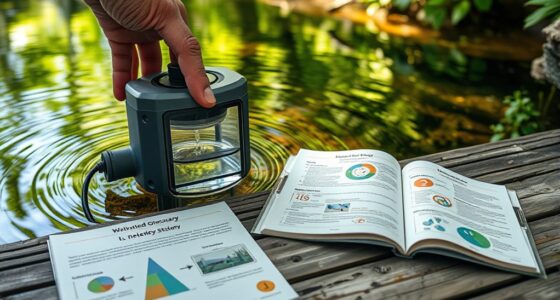

To understand your CCR, start by examining the contaminants section to see if any substances exceed EPA limits, which could indicate safety concerns. Check where your water comes from and what treatments are used, as these impact water quality. Look at the health effects section to identify vulnerable groups and potential risks. Paying attention to these parts, you’ll better grasp your water’s safety and what steps are in place to protect you. Continue to learn more about your water quality below.

Get home appliances delivered free with Prime
- Fast, free delivery on millions of items
- Prime Video, Amazon Music and more included
- Member-only deals all year
Key Takeaways
- Review the Contaminants section to check if any substances exceed EPA’s maximum contaminant levels (MCLs).
- Understand your water source (public system or well) to assess potential pollution risks.
- Examine the Treatment Processes to see how your water is being purified and protected.
- Use the Water Quality Evaluation for an overall understanding of water safety and pollutant levels.
- Pay special attention to sections on health effects and vulnerable populations to determine if precautions are needed.

Understanding your Consumer Confidence Report might seem overwhelming at first, but it’s an essential tool for evaluating your water quality. When you receive your CCR, it provides a detailed snapshot of your local water system’s performance, including pollution levels and overall water safety. It might look complex at first glance, but breaking it down into key sections can help you grasp the important information it contains.
Start by looking at the contaminants section. Here, you’ll find a list of substances tested in your water, such as bacteria, chemicals, metals, and other pollutants. Pay close attention to the detected levels and compare them to the EPA’s maximum contaminant levels (MCLs). If any pollutants exceed these standards, it indicates potential water safety concerns. Conversely, if all levels are below the MCLs, it generally means your water meets safety guidelines. This section helps you understand the pollution levels present in your water and whether they pose any health risks.
Next, review the sources of your water supply. Your CCR will specify whether your water comes from a public water system, well, or other sources. Knowing this helps you evaluate potential risks associated with pollution from nearby activities or natural sources. For example, groundwater sources might be more susceptible to contamination from agricultural runoff or industrial waste, impacting water safety. Recognizing these sources allows you to better assess the likelihood of pollutants in your water.
Then, examine the treatment processes listed in the report. These processes are designed to remove contaminants and ensure water safety. If your water system employs advanced treatments like filtration or disinfection, it reduces the likelihood of harmful pollutants reaching your tap. Understanding what treatments are in place can give you confidence in your water’s safety, but also reminds you of the importance of ongoing testing and maintenance to keep pollution levels in check.
Finally, check the health effects statement. It explains what health problems might arise if water contains certain contaminants, especially for vulnerable populations such as children, pregnant women, or immunocompromised individuals. This section emphasizes the importance of understanding pollution levels and their potential impact on health, guiding you on when to take additional precautions or seek alternative water sources if necessary. Recognizing the importance of effective water treatment can help reinforce the importance of maintaining proper water safety standards.
As an affiliate, we earn on qualifying purchases.
Frequently Asked Questions
How Often Is My CCR Updated?
Your CCR is typically updated annually, ensuring you stay informed about your water quality. During water testing, your utility assesses the water for contaminants and complies with regulatory updates to meet safety standards. This yearly update helps you understand recent changes, test results, and any potential issues. Staying aware of these updates allows you to take necessary precautions and stay confident in your water supply’s safety and quality.
Can I Compare CCRS From Different Years?
Yes, you can compare CCRs from different years to observe historical trends and identify changes in water quality. When doing so, look at contaminant comparisons over time to see if levels have increased or decreased. Keep in mind that testing methods or regulations might have evolved, so consider these factors to accurately interpret the data. Comparing reports helps you understand long-term water safety and quality improvements or concerns.
What Should I Do if My Water Quality Changes?
Think of your water quality like a dashboard warning light; if it changes, you should act. First, schedule water testing to check contamination levels. If tests reveal increased contamination, avoid drinking tap water until authorities confirm it’s safe again. Contact your water supplier for guidance, and consider using a water filter or alternative source. Staying proactive protects your health when water quality shifts unexpectedly.
Are All Contaminants Tested for in the CCR?
Not all contaminants are tested for in your CCR. Contaminant detection follows strict testing standards, but water systems prioritize common and potentially harmful substances. Your report focuses on regulated contaminants, such as bacteria, lead, and nitrates. If you’re concerned about specific contaminants, consider additional testing. Stay informed by reviewing your CCR regularly and asking your water provider about any untested substances that may affect your water quality.
How Does CCR Data Impact My Health and Safety?
Think of your CCR data as a health report card for your water. It shows if your water meets public health and water standards, ensuring it’s safe to drink. If contaminants are detected above safe levels, it alerts you to potential health risks, prompting action to protect your well-being. Staying informed helps you make smarter choices about your water, keeping you and your loved ones safe and healthy.
As an affiliate, we earn on qualifying purchases.
Conclusion
Now that you know how to read your Consumer Confidence Report, you’re like a captain steering through calm and stormy waters alike. With this knowledge, you can navigate the economic tides confidently, much like a sailor reading the stars. Remember, understanding your CCR isn’t just about numbers—it’s about seeing the bigger picture and making informed decisions. So, set your course wisely and trust in your newfound ability to interpret what the report reveals.
As an affiliate, we earn on qualifying purchases.
As an affiliate, we earn on qualifying purchases.
Cold & flu season Picks
humidifiers
As an affiliate, we earn on qualifying purchases.