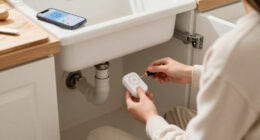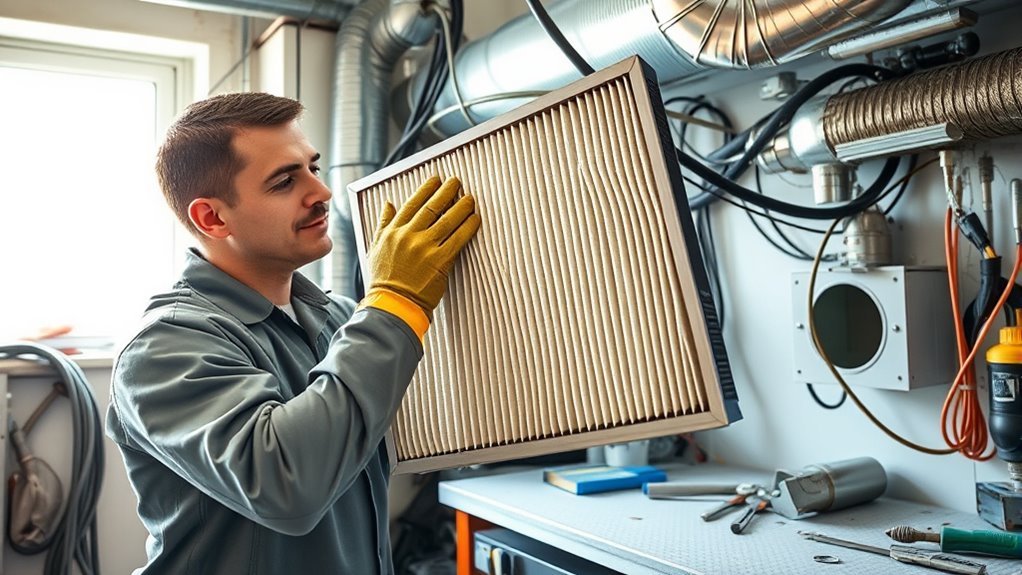
When filters fail suddenly, act quickly to prevent damage or safety hazards. First, identify signs like alarms or system shutdowns, then shut down affected equipment carefully. Wear safety gear and follow emergency protocols to remove the faulty filter without spreading debris. Install the new filter securely, check system operation, and conduct post-repair tests. Regular maintenance helps prevent these issues; learn more about handling such emergencies effectively to keep your systems running smoothly.

Get home appliances delivered free — and shop member deals
- Fast, free delivery on millions of items
- Access to Prime Big Deal Days deals on October 6–7
- Prime Video, Amazon Music and more included
Key Takeaways
- Immediately identify filter failure by checking equipment indicators and alarms for signs of clogging or malfunction.
- Follow emergency shutdown procedures to contain the issue and prevent system damage or contamination.
- Safely remove the faulty filter, using proper protocols to avoid debris spread, and prepare the replacement filter.
- Install the new filter correctly, ensuring secure connections and proper seating, then restart the system following safety guidelines.
- Document the incident and maintenance actions, then perform system tests to confirm stable, normal operation.
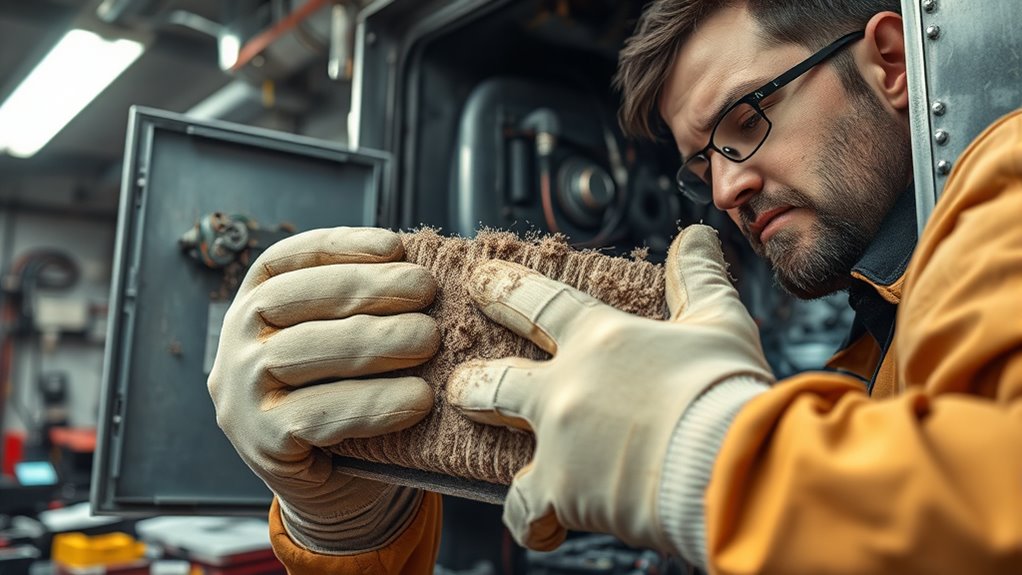
Have you ever faced a sudden equipment failure or a critical system breakdown that demands immediate attention? If so, you know how stressful it can be when essential components, like filters, suddenly stop functioning. In these moments, swift action is crucial to prevent further damage or system shutdowns. When filters fail unexpectedly, your first priority should be to follow established emergency procedures. These procedures are designed to help you assess the situation quickly, stay safe, and restore normal operations efficiently.
The initial step is to identify the problem clearly. Check the equipment’s indicators or alarms that signal filter issues, such as clogging or failure. Once you’ve confirmed a filter problem, don’t delay in executing your emergency procedures. These often include shutting down the affected system to prevent contamination or damage. If your facility has a protocol for filter replacement during emergencies, now’s the time to implement it. This might involve removing the faulty filter carefully, ensuring you avoid spreading dirt or debris, and preparing the replacement filter for installation.
Identify the problem with system indicators, then follow emergency protocols for safe filter removal and replacement.
While performing a filter replacement in an emergency, remember to wear appropriate safety gear, such as gloves and eye protection. Follow your facility’s safety guidelines to avoid injury or exposure to hazardous materials. If you’re unfamiliar with the exact process, consult your emergency manual or contact a trained technician immediately. It’s essential to act promptly but methodically, so you don’t cause additional issues.
Once the faulty filter is removed, install the new one according to manufacturer instructions. Double-check that it’s seated correctly and that all connections are secure. After replacement, restart the system following your emergency restart procedures, which often include running system tests or checks to ensure everything functions properly. Keep detailed records of what happened, how you responded, and any parts replaced. This documentation can be valuable for future troubleshooting or maintenance planning. Additionally, regularly scheduled filter maintenance can help reduce the likelihood of unexpected failures.
In some cases, you might need to perform additional tasks, like cleaning nearby components or flushing the system to remove residual debris. Always prioritize safety, and don’t attempt complex repairs if you’re unsure of the proper procedure. Remember, regular maintenance and routine filter replacements can help prevent sudden failures, but when they do happen unexpectedly, knowing your emergency procedures can save time and minimize damage. Acting quickly, following safety guidelines, and executing proper filter replacement steps are vital to restoring system stability and avoiding costly downtime.
Frequently Asked Questions
How Can I Prevent Filter Failures Before They Happen?
You can prevent filter failures by scheduling regular filter maintenance and inspections. Implement preventative measures like replacing filters before they become clogged or worn out, based on manufacturer recommendations. Keep an eye on filter performance indicators, and stay proactive with routine checks. By staying diligent with preventative measures, you minimize the risk of sudden filter failures, ensuring your system runs smoothly and avoiding costly emergency repairs.
What Immediate Safety Precautions Should I Take During Filter Failure?
When a filter fails unexpectedly, act quickly to protect your air quality and safety. First, shut off the system to prevent circulating contaminants. Guarantee proper ventilation and wear protective gear like masks and gloves. Keep an eye on air quality levels and avoid the area if dangerous fumes or particles are present. Follow safety measures diligently—think of it as putting a lid on a boiling pot before it overflows—to minimize risks.
How Do I Identify a Filter Failure Early?
You can identify a filter failure early by paying attention to signs like reduced airflow, unusual noises, or increased energy bills. Don’t fall for common filtration myths that assume filters last forever; regular maintenance is key. Follow maintenance tips such as checking filters monthly and replacing them as needed. Staying vigilant helps catch issues before they escalate, ensuring your system runs efficiently and preventing sudden failures.
Are There Temporary Solutions if Replacement Parts Are Unavailable?
If replacement parts are unavailable, you can try DIY fixes like cleaning or rinsing the filter if it’s washable, which may temporarily restore airflow. Troubleshooting tips include sealing any leaks around the filter and reducing system load to prevent further strain. While these are short-term solutions, always plan for proper replacement as soon as possible to guarantee ideal performance and avoid long-term damage.
When Should I Call a Professional for Emergency Filter Repair?
You should call a professional for emergency filter repair immediately if you notice a significant drop in airflow, strange noises, or if the filter inspection reveals severe damage or clogging. Contact your emergency contacts and HVAC technician promptly to prevent system damage or health hazards. Don’t delay, as quick action guarantees safety and keeps your system running smoothly. Always keep emergency contact numbers handy for urgent situations like this.
Conclusion
When filters unexpectedly falter, it’s a gentle reminder that even the best plans need a little extra care now and then. By staying calm and acting swiftly, you can turn a moment of discomfort into an opportunity for renewal. Remember, every challenge is just a quiet whisper urging you to pause, reflect, and nurture your space. Embrace these small setbacks as chances to restore harmony and bring fresh energy back into your environment.
Fall yard work Picks
leaf blowers
As an affiliate, we earn on qualifying purchases.