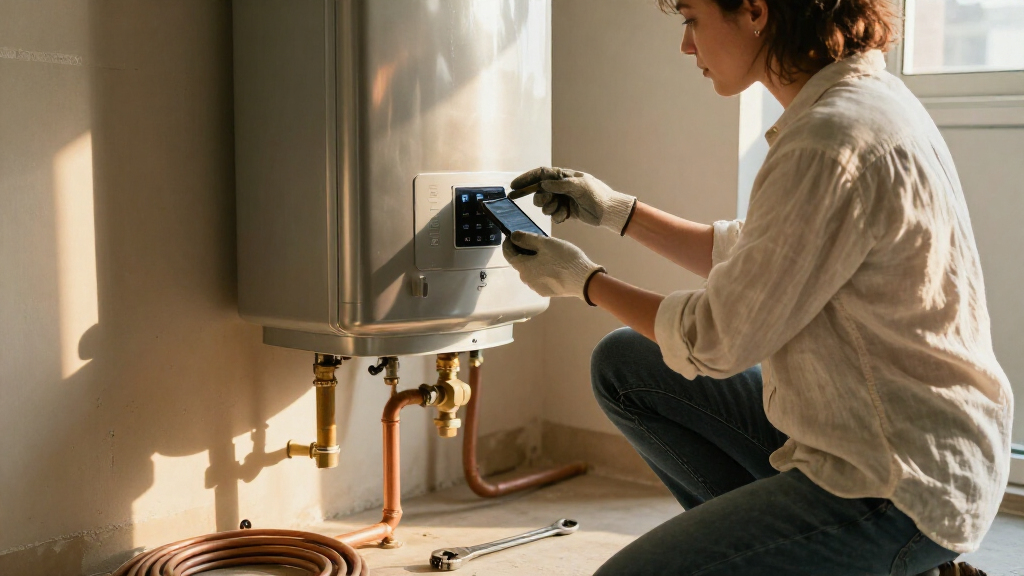
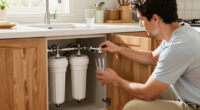
This comprehensive checklist is designed for homeowners seeking to enhance the safety, efficiency, and convenience of their household water heating systems. Whether you are dealing with an aging unit or simply want to integrate smart home technology for better monitoring, this guide helps you navigate the essential components required for a successful upgrade. We focus on practical, actionable steps to ensure your system operates reliably while minimizing the risk of water damage and energy waste.

Get home appliances delivered free with Prime
- Fast, free delivery on millions of items
- Prime Video, Amazon Music and more included
- Member-only deals all year
The content is organized by component type, moving from active smart controls to passive protective measures. Each section addresses specific hardware categories, such as leak detection systems, expansion tanks, and recirculation pumps. For items with specific product recommendations, we highlight key features and compatibility considerations. For general advice sections, we provide expert guidance on selection criteria and installation best practices to help you make informed decisions without feeling overwhelmed by technical specifications.
To use this guide effectively, review your current water heater setup and identify which components are missing or outdated. Start with the highest priority items, such as leak detection, to protect your property immediately. Then, proceed to efficiency upgrades like recirculation pumps or insulation. By following this structured approach, you can build a robust, smart-enabled water heating ecosystem that offers peace of mind and long-term value for your home infrastructure.
Smart Water Heater
Integrating smart controls into your water heating system transforms a passive appliance into an active participant in home safety. The primary goal here is to prevent catastrophic water damage by automatically stopping flow when anomalies are detected. Many homeowners mistakenly believe that a smart valve is only useful for manual control via an app, but its true value lies in automatic shutoff capabilities. When paired with compatible sensors, these valves act as a critical failsafe, closing the water supply instantly if a leak is sensed, thereby limiting potential damage to a small area rather than flooding a basement or utility room.
When selecting a smart valve, compatibility with your existing plumbing is paramount. Most residential water heaters use standard 3/4-inch NPT connections, but always verify the inlet and outlet sizes before purchasing. Additionally, consider the power source; while some units are battery-operated, others require a nearby electrical outlet for reliable performance. A common buying mistake is ignoring the flow rate impact; ensure the valve does not significantly restrict water pressure, which could affect shower performance or other fixtures. Look for models that offer local operation modes, ensuring the shutoff function still works even if your Wi-Fi network goes down.
What to look for:
- Compatibility with standard 3/4-inch NPT plumbing connections
- Support for local control without Wi-Fi dependency
- Integration with popular smart home ecosystems like Alexa or Google
- Clear manual override options for maintenance
- IP65 or higher water resistance rating for the sensor components
Frizzlife LPG365 Smart Water Auto Shutoff Valve with Leak Sensors
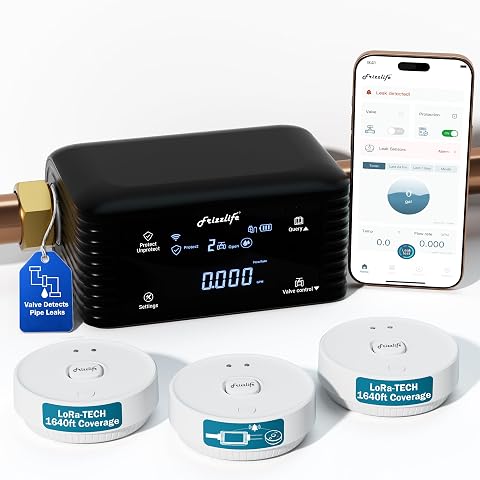
The Frizzlife LPG365 is a smart water shutoff system that detects leaks using ultrasonic sensors and wireless leak sensors, providing whole-home protection. It can automatically shut off water flow to prevent damage and can be controlled remotely via a mobile app.
Pros:
- Advanced dual-detection leak protection for comprehensive home coverage
- Precise ultrasonic leak detection with high sensitivity
- Long-range wireless sensors for larger homes
- Remote control and real-time alerts via mobile app
Cons:
- Professional installation recommended
- Requires Wi-Fi connection for full functionality
- May be complex for non-technical users
Best for: Homeowners prioritizing immediate leak prevention
Not ideal for: Users with non-standard plumbing fittings
Bottom line: This valve provides essential automated protection against unexpected leaks.
Water Heater Leak Detector
A dedicated leak detection system goes beyond simple alarms by offering a proactive response to water emergencies. Unlike standalone sensors that merely notify your phone, advanced kits like the YoLink system integrate directly with water shutoff valves to create a closed-loop safety network. This integration is crucial because it reduces the time between detection and mitigation from minutes to seconds. Without this immediate response, even small leaks can escalate into costly repairs involving flooring, drywall, and mold remediation, making the investment in a comprehensive kit highly justifiable for risk-averse homeowners.
When evaluating these systems, focus on the range and reliability of the wireless hub. The hub should maintain a stable connection with all sensors, even in basements or utility rooms where signal interference can occur. Another critical aspect is sensor placement flexibility; ensure the kit includes enough sensors to cover not just the water heater base, but also nearby washing machines, dishwashers, and supply lines. Common mistakes include placing sensors too far from the hub or failing to test the system regularly. Always verify that the system sends alerts through multiple channels, such as push notifications, text messages, and audible sirens, to ensure you are warned even when you are away from your smartphone.
What to look for:
- Hub compatibility with existing smart home shutoff valves
- Long-range wireless connectivity for basement installations
- Multiple alert channels including audible sirens
- Easy battery replacement and low-battery indicators
- Scalability to add more sensors in other home zones
YoLink Water Shutoff Kit: X3 Controller, EVO, 4 Sensors, and Hub

This smart water shutoff kit includes sensors, a controller, and a hub to monitor and control water flow remotely. It operates during WiFi or power outages and integrates with Alexa and Google Voice Assistants for voice control.
Pros:
- Operates during WiFi or power outages, ensuring continuous protection
- Long-range connectivity up to ¼ mile
- Scalable system compatible with many smart home devices
Cons:
- Installation requires careful placement to avoid harsh conditions
- Limited environmental ratings may restrict outdoor use
- Requires proper setup for optimal performance
Best for: Users wanting automated response and broad coverage
Not ideal for: Those seeking a simple standalone alarm
Bottom line: This kit offers a robust, interconnected solution for modern water safety.
Water Heater Expansion Tank
An expansion tank is a critical safety component often overlooked in older homes or those with closed plumbing systems. Its primary function is to absorb excess water pressure generated when water is heated, preventing dangerous pressure buildup that can damage the water heater, pipes, and fixtures. If your home has a check valve or backflow preventer, an expansion tank is not just recommended, but mandatory by most local building codes. Without it, thermal expansion has nowhere to go, leading to frequent pressure relief valve discharges or, in worse cases, tank failure.
Sizing the expansion tank correctly is essential for effective performance. The general rule of thumb is to match the tank size to your water heater’s capacity, but professional calculation based on incoming water pressure and temperature rise is more accurate. A common mistake is installing a tank that is too small, which leads to ineffective pressure regulation. Additionally, ensure the tank is installed on the cold water inlet line with an isolation valve for easy maintenance. Regularly checking the air charge in the tank is also vital, as the internal bladder can lose pressure over time, rendering the tank ineffective. Proper installation and maintenance of this component ensure the longevity and safety of your entire water heating system.
What to look for:
- Correct sizing based on water heater capacity and pressure
- Bladder-type design for durability and reliability
- Isolation valve for easy servicing without draining the system
- Corrosion-resistant materials for long-term use
- Compliance with local plumbing codes and standards
Water Heater Recirculation Pump
Hot water recirculation systems eliminate the frustrating wait for hot water at distant fixtures, saving significant amounts of water and energy. The AutoHot DR055A-USC represents a modern approach to this convenience, utilizing on-demand activation rather than continuous circulation. Continuous circulation can waste energy by keeping water hot in pipes 24/7, whereas on-demand systems only activate when hot water is needed, making them far more energy-efficient. This smart approach aligns well with contemporary goals of reducing household utility costs while enhancing comfort.
Installation requires careful consideration of your plumbing layout and electrical access. Most recirculation pumps require a power source near the water heater or the farthest fixture, depending on the system design. A common buying mistake is failing to install a thermal bypass valve at the farthest fixture, which is necessary for closed-loop systems to function correctly. This valve allows cooled water to return to the heater without being pushed into the cold water line. Additionally, consider the noise level of the pump, as some units can be audible in quiet utility rooms. Look for models with adjustable timers or smart connectivity, allowing you to schedule circulation during peak usage times to further optimize energy consumption and ensure hot water is available exactly when you need it.
What to look for:
- On-demand activation to minimize energy waste
- Compatibility with both open and closed loop systems
- Low-noise operation for utility room comfort
- Smart timer or app control for scheduling
- Easy installation with clear instructions for bypass valves
AutoHot DR055A-USC On-Demand Hot Water Recirculation System, 55 Series Under Sin
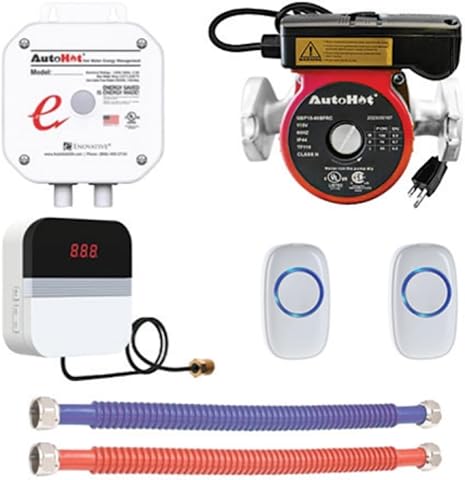
The AutoHot DR055A-USC is a hot water recirculation system designed for instant hot water delivery on demand. It features wireless controls, compatibility with various water heaters, and is suitable for retrofit installations without a dedicated return line.
Pros:
- Provides instant hot water on demand, reducing wait time
- Wireless controls make installation and operation convenient
- Compatible with various water heater types, including tankless and heat pump
Cons:
- Installation may require some plumbing knowledge
- Wireless sensors could be susceptible to interference
- Price information not provided
Best for: Homes with distant fixtures and energy-conscious owners
Not ideal for: Users with very short pipe runs to fixtures
Bottom line: This pump balances convenience with energy efficiency effectively.
Water Heater Insulation Blanket
Insulation blankets are a simple, cost-effective way to improve the energy efficiency of older water heaters. While modern units are well-insulated, older models often lose significant heat through their outer shells, forcing the burner or element to work harder to maintain temperature. Adding a blanket can reduce standby heat loss by up to 25 to 45 percent, translating to noticeable savings on your energy bills. However, this upgrade is only beneficial if your current heater is not already adequately insulated. A simple touch test can determine if a blanket is needed; if the tank feels warm to the touch, insulation will help.
When installing an insulation blanket, safety is the primary concern. You must never cover the top of the tank, especially if it is a gas model, as this can obstruct ventilation and create a fire hazard. Always leave the controls and access panels exposed to ensure you can monitor and adjust the temperature easily. Additionally, do not cover the pressure relief valve or the drain valve, as these need to remain accessible for maintenance and safety checks. Use a blanket made from fire-resistant materials and secure it with tape or straps that do not melt. Regularly inspect the blanket for signs of wear or moisture, which can reduce its effectiveness and potentially promote corrosion on the tank surface.
What to look for:
- Fire-resistant materials for safe installation
- Pre-cut holes for controls and valves
- R-value of at least 8 for effective insulation
- Easy-to-apply adhesive or strap fasteners
- Compatibility with your specific tank shape and size
Water Heater Pan
A water heater pan is a fundamental preventive measure that serves as the first line of defense against water damage. While smart valves and detectors are excellent active systems, a pan provides passive protection by catching small leaks before they reach the floor. This is particularly important for heaters installed in finished basements or on upper floors, where even minor drips can cause extensive structural damage. Many local building codes actually require pans for heaters located in specific areas, making this a compliance necessity as well as a practical safety tool.
When selecting a pan, ensure it is slightly larger than the diameter of your water heater to catch any runoff effectively. The pan should have a raised edge to contain water and, ideally, a drain outlet connected to a floor drain or sump pump. A common mistake is neglecting to clean the pan, where debris and mineral deposits can accumulate, causing corrosion or blocking the drain. Regularly inspect the pan for rust or cracks, and ensure the heater sits level within it. For added protection, consider placing a layer of absorbent material or a secondary sensor inside the pan to detect moisture early. This simple component, when properly maintained, significantly extends the time you have to address leaks before they become emergencies.
What to look for:
- Size slightly larger than the water heater diameter
- Corrosion-resistant materials like galvanized steel or plastic
- Drain outlet for connection to a floor drain
- Raised edges to contain spillage effectively
- Ease of cleaning and maintenance access
To maximize value and safety, prioritize your purchases based on risk mitigation first. Start with the leak detection system and smart valve to prevent catastrophic water damage, as these offer the highest return on investment in terms of avoided repair costs. Next, address efficiency with the recirculation pump and insulation blanket if applicable. Finally, ensure all passive safety components like pans and expansion tanks are in place to meet code requirements and protect your infrastructure. This phased approach allows you to spread out the investment while immediately securing your home against the most significant risks.
Upgrading your water heater system is a journey toward greater comfort and peace of mind. By following this checklist, you are not just buying products; you are investing in a resilient, smart, and efficient home. Take your time to measure, plan, and install each component correctly, and don’t hesitate to consult a professional for complex plumbing tasks. Enjoy the benefits of a modernized water heating system that works for you, not against you.