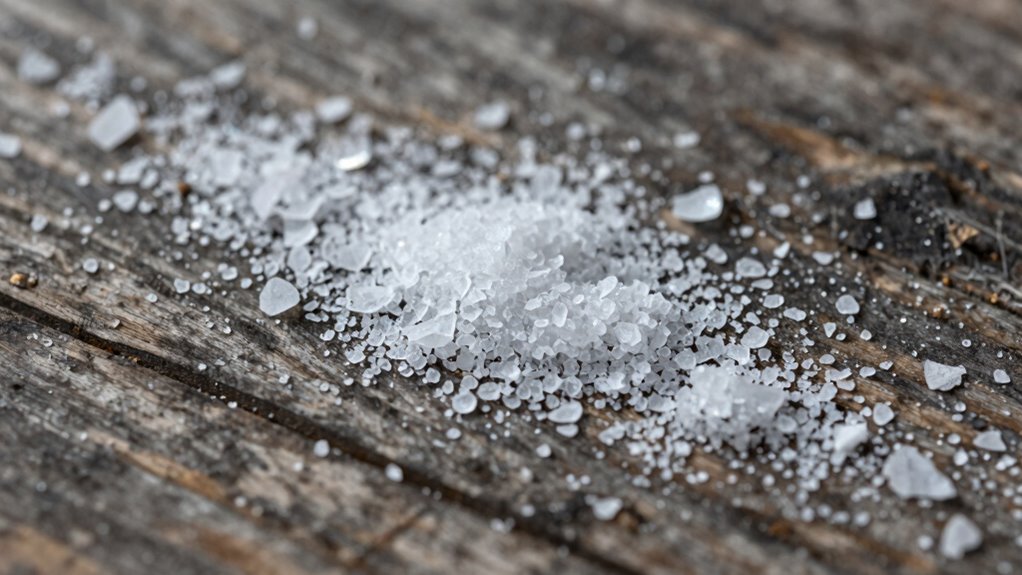

White residue usually indicates mineral buildup from hard water, chemical leftovers from cleaning products, or soap scum. It’s a sign that minerals like calcium and magnesium are deposits from water evaporation or insufficient water treatment. These deposits can clog appliances and reduce efficiency. By understanding what your residue is telling you, you can take steps like softening water or switching to eco-friendly cleaners. Keep exploring to learn how you can address these issues effectively.
Listen free for 30 days with Audible
Thousands of audiobooks and originals — cancel anytime.
As an affiliate, we earn on qualifying purchases.
Key Takeaways
- White residue often indicates mineral buildup from hard water, signaling a need for water softening or cleaning adjustments.
- Chemical residues from cleaning products may suggest overuse or the need for eco-friendly alternatives.
- Visual or vinegar tests can help determine if the residue is mineral-based or chemical, guiding appropriate treatment.
- Persistent residue can clog appliances and reduce efficiency, highlighting the importance of water quality management.
- Recognizing the source of white residue promotes sustainable household practices and reduces ecological impact.
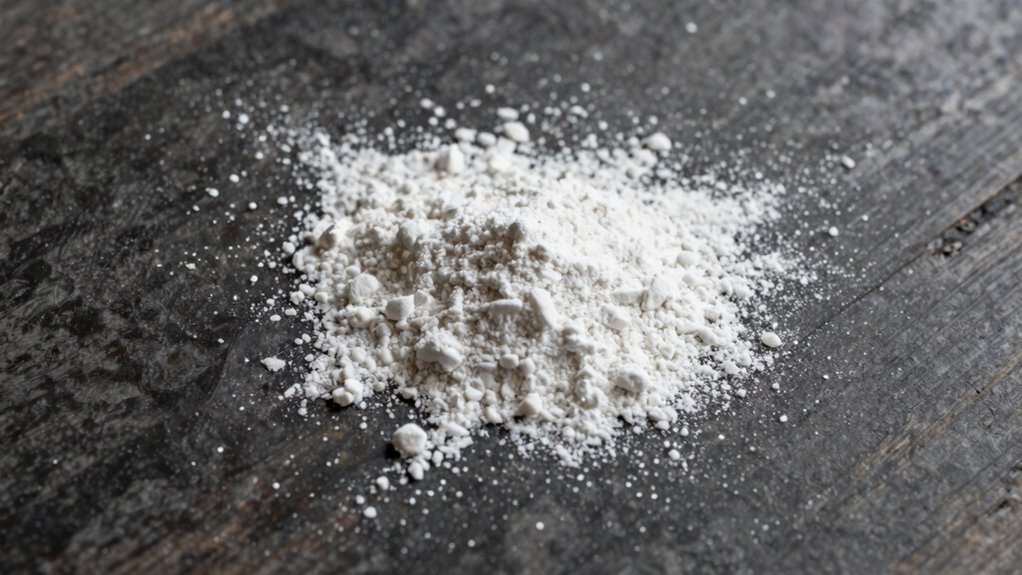
Have you ever noticed a white residue on your skin, clothes, or appliances and wondered what it could mean? That unassuming film might seem harmless, but it can tell you a lot about what’s happening in your environment. White residues are often caused by mineral deposits, chemical buildup, or residues from cleaning products. While they may seem minor, they can have broader implications, especially concerning environmental impact. Recognizing what this residue is and understanding how to detect it can help you make more environmentally conscious choices and prevent potential health issues.
Many white residues are the result of mineral deposits left behind by hard water, which contains high levels of calcium and magnesium. When water evaporates, these minerals crystallize and settle on surfaces, creating that chalky film. This buildup can be more than just an aesthetic issue; it can affect appliances by clogging pipes or reducing efficiency, leading to increased energy consumption. From an environmental perspective, excessive mineral deposits in water systems can strain local water supplies and contribute to the overuse of cleaning chemicals to remove stubborn residues. This cycle impacts water resources and increases the ecological footprint of household maintenance. Understanding the hard water minerals involved can help you choose the most effective mitigation strategies. Additionally, water quality testing can provide valuable insights into your specific situation, guiding targeted solutions, especially when considering environmental impact.
Hard water minerals can clog appliances and strain water resources, increasing environmental impact and household maintenance needs.
Detection methods are vital in identifying the source of white residues and determining their health or environmental risks. Simple visual inspection is often enough to notice mineral deposits or soap scum. For a more precise analysis, you can perform a vinegar test—dabbing a small amount of vinegar on the residue. If it dissolves, it’s likely mineral-based. For chemical residues from detergents or cleaning agents, specialized testing kits are available that can identify specific compounds. These detection methods help you understand whether the residue comes from hard water, chemical buildup, or other sources. Additionally, understanding the role of chemical residues in creating residues can guide you toward more eco-friendly cleaning practices. Using eco-friendly products can significantly reduce the chemical runoff that enters our waterways and ecosystems, which is an important aspect of sustainable household management.
Knowing what your white residue is trying to tell you allows you to address the root cause effectively. If it’s mineral deposits, installing a water softener can reduce mineral buildup and lessen environmental impact by decreasing the need for harsh cleaning agents. If chemicals are involved, switching to eco-friendly products minimizes chemical runoff into waterways, supporting environmental health. Overall, paying attention to these residues isn’t just about maintaining a clean home; it’s about understanding how your daily habits impact the planet. Recognizing, detecting, and responding to white residues empowers you to make smarter, more sustainable choices that benefit both your health and the environment.
As an affiliate, we earn on qualifying purchases.
Frequently Asked Questions
Can White Residue on Skin Indicate a Health Issue?
White residue on your skin can sometimes indicate health issues, especially if it’s persistent or accompanied by other symptoms. It might be linked to skin pigmentation changes or dietary signs like nutrient deficiencies. You should consider factors like dryness, allergies, or fungal infections. If the residue doesn’t go away, consult a healthcare professional to rule out underlying conditions and get appropriate treatment.
Is White Residue Always Harmless or Can It Be Dangerous?
White residue isn’t always harmless; it can signal skin conditions or product reactions. You should watch for persistent or spreading residue, which might indicate infections or allergies. While some residue results from harmless buildup or skincare products, others could be warning signs of underlying health issues. If you notice ongoing or unusual white residue, it’s wise to consult a healthcare professional to determine whether it’s a benign skin condition or something more serious.
How Can I Prevent White Residue From Forming?
To prevent white residue from forming, you can try home remedies like using natural cleansers and maintaining good hygiene. Dietary changes, such as reducing sugar and processed foods, may also help minimize residue buildup. Regularly rinsing with vinegar or baking soda solutions can keep surfaces clean. Stay consistent with cleaning routines, and avoid harsh chemicals. These steps help reduce residue formation and keep your environment fresh and healthy.
Does White Residue Indicate Poor Hygiene?
White residue doesn’t necessarily mean poor hygiene; it often signals skin dryness or product buildup. You might be using too much lotion, deodorant, or skincare, which leaves behind residue when it doesn’t absorb fully. Instead of assuming poor hygiene, consider adjusting your routine by using less product or switching to gentler formulas. Good hygiene involves consistent cleaning, but residue is more about how your skin interacts with products than cleanliness.
Are There Specific Products That Cause More White Residue?
Certain products cause more white residue, especially those with ingredients like talc, cornstarch, or zinc oxide. If you have sensitive or dry skin, you might notice residue more often because your skin reacts to these ingredients. To minimize this, choose products tailored to your skin type and look for formulas labeled as non-comedogenic or lightweight. Switching to water-based or residue-free options can also help reduce buildup.
As an affiliate, we earn on qualifying purchases.
Conclusion
Next time you see white residue, don’t ignore it—pay attention. It’s your body’s way of communicating, whether it’s a sign of dehydration, product buildup, or an underlying health issue. Did you know that studies show nearly 60% of people overlook early symptoms that could signal more serious conditions? Recognizing what white residue indicates can help you take prompt action. Stay alert, listen to your body, and address concerns early for better health outcomes.
As an affiliate, we earn on qualifying purchases.
As an affiliate, we earn on qualifying purchases.
Flea & tick season Picks
flea and tick prevention
As an affiliate, we earn on qualifying purchases.