
If your filters are exhausting faster than usual, it indicates a sudden increase in raw water load. This often results from changes in source water quality, such as higher levels of contaminants, nutrients, or organic matter, which clog filters more quickly. It can also signal environmental shifts or contamination issues. Recognizing these signs helps you identify problems early. To understand what causes these surges and how to manage them effectively, keep exploring the details behind filter exhaustion.

Get home appliances delivered free — and shop member deals
- Fast, free delivery on millions of items
- Access to Prime Big Deal Days deals on October 6–7
- Prime Video, Amazon Music and more included
Key Takeaways
- Rapid filter exhaustion indicates a sudden increase in raw water volume or contamination levels.
- It suggests elevated organic matter, nutrients, or chemical loads in the source water.
- Quick filter decline may point to microbial growth and biofilm formation.
- It reflects possible chemical fouling from dissolved minerals or organics.
- The condition necessitates enhanced pretreatment and source water quality monitoring.
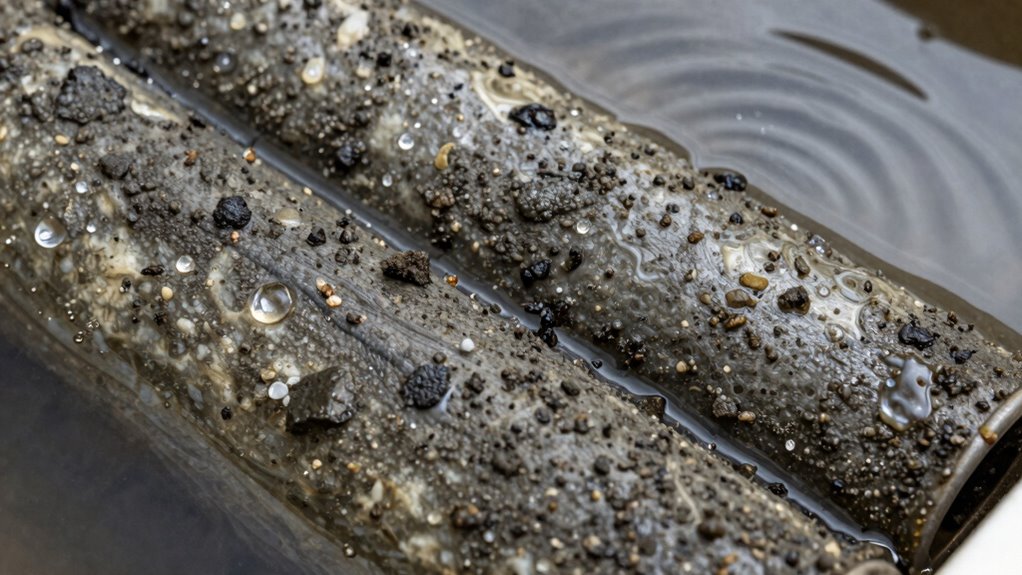
When raw water loads increase unexpectedly, filters can become exhausted much faster than usual. This sudden strain on your filtration system often signals a spike in contaminants or an increased volume of water passing through. This can be caused by various factors, including changes in source water quality or environmental conditions. Such changes can lead to rapid accumulation of impurities, which clog the filter media and reduce its effectiveness. You might notice a drop in flow rate or a need for more frequent cleaning or replacement, indicating that your filters are working overtime. But beyond these immediate symptoms, fast filter exhaustion also reveals underlying issues related to microbial growth and chemical fouling.
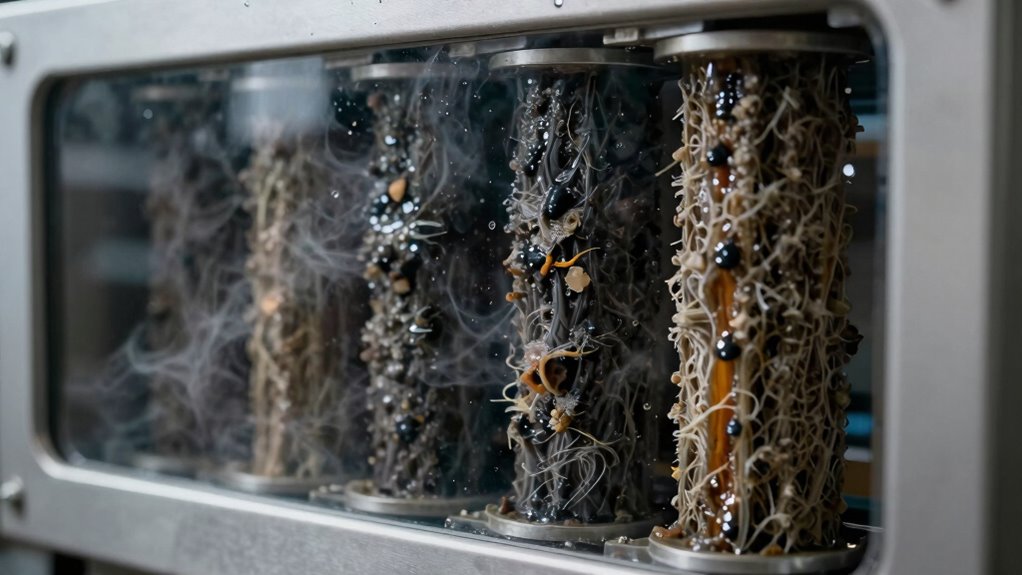
Microbial growth tends to accelerate when raw water loads increase sharply. With more nutrients and organic matter in the water, bacteria and other microorganisms find a more hospitable environment, multiplying quickly within the filter media. This microbial proliferation can form biofilms—sticky layers that trap particles and further clog the system. As biofilms develop, they not only hinder water flow but also pose risks of secondary contamination if not managed properly. These microbial issues often go unnoticed until filter exhaustion becomes rapid, serving as a warning sign that the raw water is increasingly contaminated with biological matter. Recognizing these signs early can help prevent more serious health and system issues. Monitoring microbial activity in your water can provide early detection of such problems before they impact filtration efficiency.
Rapid filter exhaustion signals microbial growth and biofilm formation, indicating increasing biological contamination in raw water.
Chemical fouling is another critical factor that contributes to filter exhaustion during such surges. When raw water contains higher levels of dissolved chemicals—like iron, manganese, or organic compounds—they tend to precipitate or form deposits on the filter media. These chemical deposits create a coating that diminishes the filter’s pore size and hampers its ability to remove impurities effectively. Over time, chemical fouling can cause significant pressure drops and reduce filtration efficiency, making it clear that the water quality is heavily compromised. The more chemicals present, the faster the filter becomes clogged, signaling a need to adjust pretreatment processes or address the source contamination. Implementing water quality testing regularly can help identify these chemical changes before they lead to severe fouling. Additionally, understanding the specific contaminant profile of your raw water can assist in designing more effective pretreatment strategies.
In essence, rapid filter exhaustion isn’t just a maintenance annoyance—it’s a vital indicator of changes in raw water quality and load. It tells you that microbial growth is likely accelerating, and chemical fouling is intensifying, both of which threaten your system’s performance. If you’re seeing filters clog more quickly than usual, it’s a clear sign to investigate your source water. You may need to enhance pretreatment steps, such as chemical dosing or disinfection, to control microbial and chemical contaminants better. Recognizing these signs early helps prevent more serious system failures and ensures your filtration process remains effective despite fluctuations in raw water load. Additionally, understanding the water quality parameters can help identify specific causes of filter exhaustion and guide targeted interventions.
high flow rate water filter replacement
As an affiliate, we earn on qualifying purchases.
As an affiliate, we earn on qualifying purchases.
Frequently Asked Questions
How Can I Prevent Rapid Filter Exhaustion in Raw Water Systems?
To prevent rapid filter exhaustion in raw water systems, you should optimize your pretreatment strategies by removing large particles and contaminants early. Use suitable filtration media tailored to your water quality, like sand or multimedia filters, to extend filter life. Regularly monitor your system’s performance, clean or replace media when needed, and adjust pretreatment processes to reduce the raw water load, ensuring your filters last longer and operate efficiently.
What Are the Signs of Filter Exhaustion Before It Becomes Critical?
Imagine a sponge slowly filling with water, just before it overflows—that’s how you notice filter exhaustion. Watch for signs like increased pressure differential, which indicates filter clogging, and membrane fouling, causing slower flow rates. You might also see more frequent cleaning cycles or decreased system efficiency. Recognizing these early symptoms helps you prevent critical failure, ensuring your raw water system stays clean and operational.
How Does Water Source Variability Affect Filter Lifespan?
Water source variability impacts your filter lifespan by fluctuating water quality, which affects filtration efficiency. When water quality varies, your filter has to work harder to remove contaminants, leading to faster exhaustion. If raw water load increases unpredictably, it can shorten filter life. Monitoring water source changes helps you adjust maintenance schedules, ensuring peak filtration efficiency and preventing premature filter failure caused by inconsistent raw water quality.
Are There Specific Filters Better Suited for High Raw Water Loads?
Imagine you’re a knight facing a dragon—certain filters stand ready for high raw water loads. For such challenges, select filters with durable filter material and high flow rate capacity. These filters handle increased raw water loads better, maintaining efficiency longer. Look for models designed specifically for heavy-duty applications, ensuring your system remains resilient and effective without frequent replacements, much like a trusty steed in a fierce battle.
What Maintenance Practices Extend Filter Life Under Heavy Water Loads?
You can extend filter life under heavy water loads by regularly monitoring and adjusting filtration chemistry to prevent rapid clogging. Implementing effective cleaning protocols removes biological fouling early, reducing buildup that accelerates filter exhaustion. Using backwashing or chemical cleaning methods helps maintain ideal flow. Additionally, pre-treating raw water can reduce solids and biological contaminants, lessening the strain on filters and prolonging their service life during high-load conditions.
As an affiliate, we earn on qualifying purchases.
Conclusion
Understanding fast filter exhaustion reveals just how much raw water load can challenge your system. When filters clog quickly, it’s a clear sign you’re biting off more than your setup can chew. Don’t ignore these warning signs—they’re your system’s way of saying enough is enough. By paying attention now, you can prevent bigger problems down the road. Remember, it’s better to nip issues in the bud than to let them grow into a mountain you can’t move.
As an affiliate, we earn on qualifying purchases.
raw water contamination testing kit
As an affiliate, we earn on qualifying purchases.
As an affiliate, we earn on qualifying purchases.
Fall yard work Picks
leaf blowers
As an affiliate, we earn on qualifying purchases.