

Bacteria’s anxiety is their immediate, reactive response to threats like antibiotics, causing them to temporarily halt growth or become dormant. In contrast, their strategy involves long-term adaptations like developing resistance, exchanging genes, and forming protective biofilms to survive ongoing challenges. These strategic mechanisms are deliberate and evolve over time, unlike anxiety, which is spontaneous. Understanding this difference helps you appreciate how bacteria stay resilient. If you keep exploring, you’ll uncover even more about their clever survival tactics.

Get home appliances delivered free with Prime
- Fast, free delivery on millions of items
- Prime Video, Amazon Music and more included
- Member-only deals all year
Key Takeaways
- Bacteria anxiety is an immediate, temporary response to threats like antibiotics, while strategy involves long-term adaptations for survival.
- Anxiety is reactive and lacks planning, whereas strategy includes deliberate genetic changes and mechanisms for enduring challenges.
- Examples of bacterial anxiety include dormancy and biofilm formation, while strategy involves resistance gene development and horizontal gene transfer.
- Anxiety helps bacteria survive short-term threats; strategy enables them to evolve and thrive over extended periods.
- Understanding both helps in designing better interventions to combat bacterial resilience and antibiotic resistance.
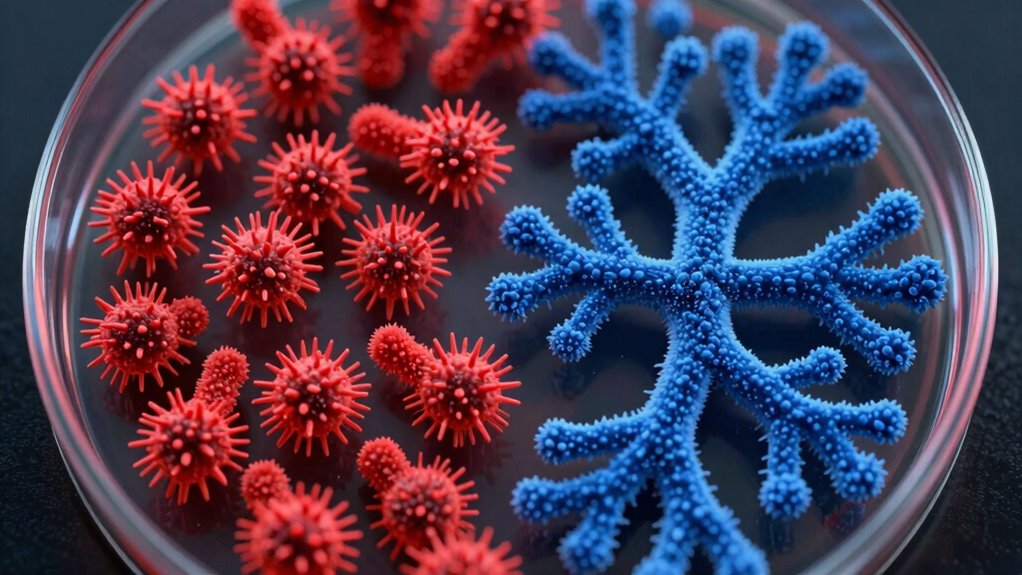
Understanding the difference between bacteria anxiety and bacteria strategy is essential because it reveals how bacteria adapt and survive in various environments. When you think about bacteria, it’s easy to picture them as simple organisms, but in reality, they’re incredibly adaptable. Bacteria anxiety refers to their responses to threats, such as antibiotics or hostile conditions, where they may temporarily halt growth or enter a dormant state. This reaction isn’t about planning ahead; it’s a survival tactic that helps them withstand immediate danger. On the other hand, bacteria strategy involves more long-term, deliberate adaptations—changes that enable bacteria to thrive despite ongoing challenges.
Antibiotic resistance is a prime example of bacteria strategy in action. When you use antibiotics, susceptible bacteria are killed, but some bacteria with genetic mutations or resistance genes survive. These survivors then multiply, passing on their resistance traits to future generations. This process highlights microbial adaptation—bacteria’s ability to evolve quickly in response to environmental pressures. Over time, this adaptation can lead to the emergence of resistant strains that render antibiotics less effective, making infections harder to treat. This is a clear demonstration of bacteria not just reacting to antibiotics but actively evolving their genetic makeup to survive them.
Antibiotic resistance shows how bacteria actively evolve to survive, making infections harder to treat over time.
Bacteria also employ strategies such as horizontal gene transfer, where they exchange genetic material with neighboring bacteria, spreading resistance traits rapidly through a bacterial population. This isn’t just a passive response; it’s an active, coordinated effort to enhance survival. When you consider bacteria’s ability to form biofilms—protective communities that shield them from antibiotics and immune responses—you see even more deliberate strategies at play. Biofilms act as a fortress, making it much harder for antibiotics to penetrate and kill the bacteria within. Recognizing these complex mechanisms of adaptation is crucial in understanding their resilience.
Additionally, bacteria’s ability to develop antibiotic resistance through various mechanisms underscores their capacity for strategic adaptation. While bacteria anxiety might make it seem like they’re simply reacting to threats in real time, bacteria strategy reveals a more calculated approach. They adapt by evolving, sharing genes, and creating protective environments, all to ensure their survival in a competitive world. This strategic behavior is often supported by genetic diversity, which provides a broader range of traits for bacteria to draw upon when facing threats. Recognizing these adaptive strategies helps you understand why combating bacterial infections is so challenging. It’s not just about killing bacteria but understanding their capacity for microbial adaptation. This insight underscores the importance of developing smarter, more sustainable ways to fight infections that consider bacteria’s strategic resilience rather than just their immediate reactions.
As an affiliate, we earn on qualifying purchases.
Frequently Asked Questions
How Do Bacteria Develop Anxiety or Strategy Over Time?
Bacteria develop anxiety or strategy through bacterial adaptation, responding to environmental cues to enhance survival. They engage in microbial decision making by sensing changes like nutrient levels or threats, then adjusting their behavior accordingly. Over time, these responses become more refined, allowing bacteria to optimize their actions, whether by forming protective biofilms or altering gene expression. This ongoing process helps them navigate challenges and increase their chances of thriving in fluctuating environments.
Can Bacteria Switch Between Anxiety and Strategic Behaviors?
Yes, bacteria can switch between anxiety-like and strategic behaviors, especially in response to environmental changes. When threatened, they may form biofilms, which is a strategic move to protect themselves. This behavior can lead to antibiotic resistance, making infections harder to treat. Conversely, under less stressful conditions, bacteria may reduce biofilm formation and adopt more relaxed, less defensive strategies. This adaptability helps bacteria survive in diverse environments.
Are Certain Bacteria More Prone to Anxiety or Strategic Actions?
Some bacteria are more prone to strategic actions, especially those with high antibiotic resistance, as they adapt to survive hostile environments. Bacterial aggression varies, with certain strains demonstrating more aggressive behaviors to outcompete others. You’ll find that bacteria with antibiotic resistance often develop strategies to evade treatments, showing a form of bacterial strategy. Conversely, some bacteria exhibit behaviors that mimic anxiety, but these are less common and more context-dependent.
How Does Bacteria Communication Influence Their Anxiety or Strategy?
Coincidentally, bacteria communication through bacterial signaling directly impacts their stress response, shaping their anxiety or strategy. When bacteria detect threats via signaling molecules, they activate specific responses—either heightened alertness or strategic behaviors—to survive. This communication allows bacteria to coordinate actions like forming biofilms or dispersing, effectively managing stress. By understanding these signaling pathways, you see how bacteria adapt their anxiety levels and strategic responses to environmental challenges.
What Role Do Environmental Factors Play in Bacterial Behavior?
Environmental factors profoundly influence bacterial behavior, especially in antibiotic resistance and biofilm formation. When conditions like nutrient scarcity or stress occur, bacteria adapt by forming biofilms, creating protective communities that resist antibiotics. These factors also trigger responses that increase resistance levels, making infections harder to treat. By understanding how environment impacts bacteria, you can develop better strategies to combat resistant strains and prevent persistent biofilm-related infections.
As an affiliate, we earn on qualifying purchases.
Conclusion
Now that you see the difference, you understand that bacteria either react with anxiety, reacting impulsively and fearfully, or they employ strategy, adapting and thriving through calculated moves. Recognize that in your own life, choosing strategy over anxiety leads to growth, resilience, and success. Embrace the mindset of deliberate action, avoid impulsive reactions, and foster a sense of control. Because whether bacteria or humans, it’s always about how you respond that shapes your future.
As an affiliate, we earn on qualifying purchases.
antibiotic resistance educational model
As an affiliate, we earn on qualifying purchases.
As an affiliate, we earn on qualifying purchases.
Columbus Day / Indigenous Peoples' Day Picks
long weekend sales
As an affiliate, we earn on qualifying purchases.