
Sulfur filters target hydrogen sulfide gas, which causes that unpleasant sulfur smell and taste in well water. They also remove related contaminants like bacteria that produce sulfur compounds and iron particles that can stain fixtures. By using media such as catalytic carbon or iron removal materials, these filters chemically react with and trap impurities as water passes through. Proper maintenance keeps them effective, and understanding your water chemistry helps choose the right filter—there’s more to uncover about how these systems work.
Key Takeaways
- Sulfur filters primarily target hydrogen sulfide gas responsible for the rotten egg smell.
- They remove sulfur compounds that cause unpleasant odors and taste in well water.
- Sulfur filters also eliminate bacteria that produce hydrogen sulfide.
- They trap and remove iron particles that can stain fixtures and affect water quality.
- The filters chemically react with impurities to neutralize odors and improve water safety.
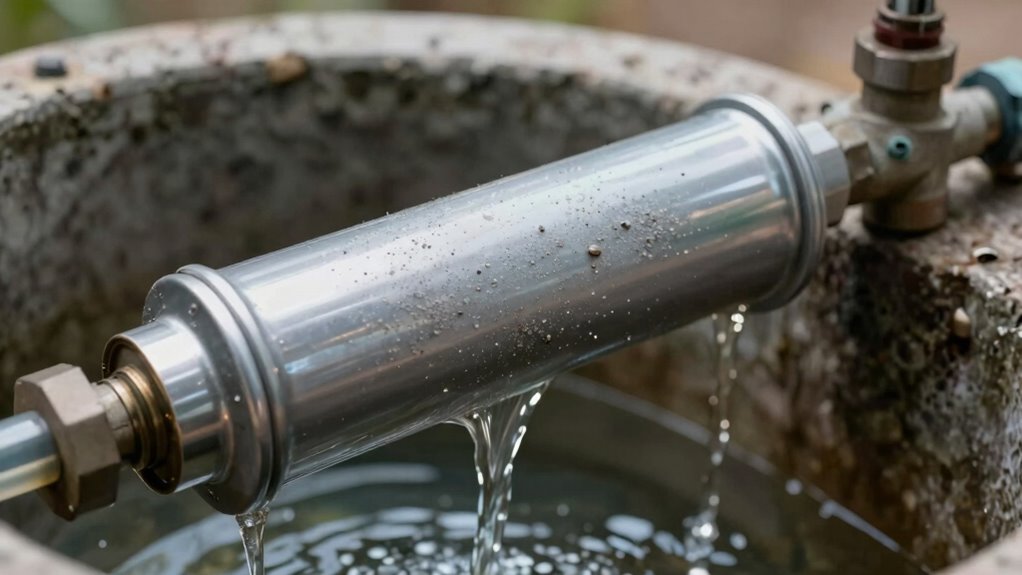
If you have a well water system, you might notice a distinct sulfur smell, which often indicates the presence of hydrogen sulfide gas. This gas is a common culprit behind that unpleasant odor, and sulfur filters are designed to target it effectively. When you install a sulfur filter, you’re mainly focused on removing hydrogen sulfide to improve the water’s smell and taste. But these filters don’t just eliminate odors—they also address other issues related to well water.
One of the key functions of sulfur filters is bacteria elimination. Certain bacteria thrive in well water, especially in anaerobic (low-oxygen) environments. These bacteria can produce hydrogen sulfide as a byproduct, which contributes to the foul smell. By using a sulfur filter, you actively reduce the bacterial population responsible for this gas. This process not only improves water quality but also helps prevent bacteria from forming inside your plumbing or appliances, which could cause further issues down the line. Understanding bacterial contamination can help you better manage your well water system, especially since bacteria can also cause health concerns if left unchecked.
Sulfur filters help reduce bacteria that produce hydrogen sulfide, improving water quality and preventing plumbing issues.
Another critical aspect of sulfur filters is their role in iron removal. Iron is a common contaminant in well water, often leading to staining of fixtures, clothing, and even giving water a metallic taste. Some sulfur filters are equipped with media that can trap and remove iron particles, preventing these aesthetic and practical problems. When combined with bacteria elimination, this makes sulfur filters a thorough solution for many well water issues, especially in rural or older homes where contamination levels tend to be higher. Proper maintenance of the filter media is essential to ensure ongoing effectiveness in contaminant removal.
It’s important to understand that sulfur filters work by introducing a media—such as catalytic carbon or specialized iron removal media—that chemically reacts with hydrogen sulfide and other impurities. As water passes through, these contaminants are neutralized or trapped, leaving cleaner, odor-free water behind. Regular maintenance, like replacing the filter media, ensures that the system continues to perform effectively. Additionally, understanding the water chemistry can help you select the most appropriate filter media for your specific contaminants.

iSpring WCFM500K Whole House Water Filtration System for Iron, Manganese & Hydrogen Sulfide Removal, Well Water Compatible, Set & Forget, Lasts up to 10 Years
- Whole House Water Filtration: Reduces iron, manganese, hydrogen sulfide
- Long-Lasting System: Up to 10 years with automatic regeneration
- Easy Digital Control: Custom auto-flush settings via LED screen
As an affiliate, we earn on qualifying purchases.
As an affiliate, we earn on qualifying purchases.
Frequently Asked Questions
How Long Do Sulfur Filters Typically Last?
Sulfur filters typically last about 6 to 12 months, depending on your water usage and the amount of sulfur in your well water. You should plan for regular filter replacement to maintain system efficiency. Keep an eye on the system lifespan—if you notice reduced odor removal or flow rate, it’s time to replace the filter. Proper maintenance guarantees your sulfur filter continues to target odors effectively.
Can Sulfur Filters Remove Other Contaminants Besides Sulfur?
Sulfur filters primarily target sulfur compounds, but they can also tackle other contaminants through chemical reactions. During filter installation, these filters often remove iron, manganese, and certain odors, making your water clearer and tastier. Keep in mind, though, that some impurities might require specialized filtration. Regular maintenance guarantees your filter continues to serve well, effectively removing a variety of unwanted substances beyond just sulfur.
Are Sulfur Filters Effective for All Well Water Types?
Sulfur filters aren’t effective for all well water types, especially if your water contains contaminants like iron, manganese, or bacteria. To determine if they’ll work for your specific situation, you should do well water testing first. If your water has multiple issues, consider alternative filtration methods or a combination of treatments. Knowing your water’s composition helps you choose the best solution, ensuring safe, odor-free water.
What Maintenance Is Required for Sulfur Filters?
Think of your sulfur filter as a garden needing regular tending. You’ll need to monitor and perform filter regeneration, either manually or automatically, to keep it functioning smoothly. Regularly check for clogging or reduced flow rates, and replace media when it’s exhausted. Keep cost considerations in mind, as maintenance may involve expenses for parts or professional services. Staying attentive guarantees your filter continues to clear out that foul smell effectively.
Do Sulfur Filters Affect Water pH Levels?
Sulfur filters generally don’t substantially affect your water’s pH levels, but they can influence pH balancing if not properly maintained. Some filters may slightly increase or decrease pH over time, so it’s crucial to check compatibility with your existing water treatment system. Regular maintenance guarantees peak performance and prevents pH fluctuations, helping you maintain balanced water quality while effectively removing sulfur odors.
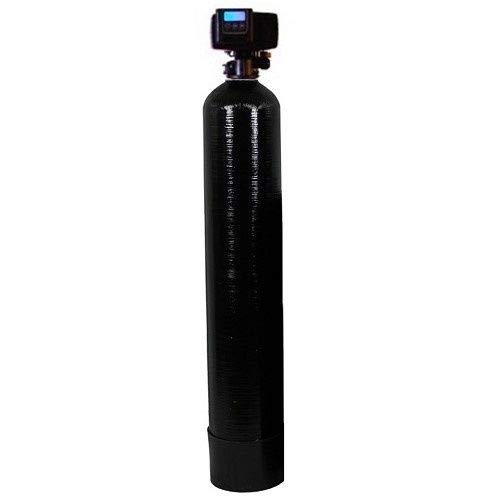
DuraWater Air Injection Iron Eater Filter 1.0. Removes Iron, Manganese, H2S
- Advanced Filtration System: DuraWater Black Series digital air injection
- Complete System Package: Includes filter media, mineral tank, bypass, and control valve
- Air Injection Technology: Creates air pockets to oxidize water
As an affiliate, we earn on qualifying purchases.
As an affiliate, we earn on qualifying purchases.
Conclusion
So, next time you turn on your tap and catch that unexpected sulfur smell, remember it’s not just a coincidence. Your sulfur filter is quietly working behind the scenes, targeting those pesky compounds that cause the odor. It’s easy to overlook, but understanding its role can give you peace of mind—knowing that what’s lurking in your well water is being effectively addressed. Sometimes, the tiniest filters make the biggest difference.

The Sulfur Eliminator Deluxe Well Water Filter System, Eliminate Rotten Egg & Sulfur Smell, Remove Iron & Sediments, Works on Any Size Well 4" & Above
- Eliminates Rotten Egg Smell: Removes sulfur odors from well water
- Compatible with Any Well Size: Works on wells 4 inches and above
- Lifetime Warranty Included: Warranty valid with annual filter replacement
As an affiliate, we earn on qualifying purchases.
As an affiliate, we earn on qualifying purchases.

Home Master CFKDF85GCC-20BB Replacement Filter, Fits Big Blue, 20" x 4.5" Heavy duty Up-Flow Catalytic Carbon & KDF 85, Filters Chloramines, Chlorine, Chemicals, Heavy Metals, Sediment, more
- Compatibility: Fits Home Master whole house systems
- Media Content: Contains 3 lbs. of KDF85 media
- Filtration Type: Removes chloramines with catalytic carbon
As an affiliate, we earn on qualifying purchases.
As an affiliate, we earn on qualifying purchases.