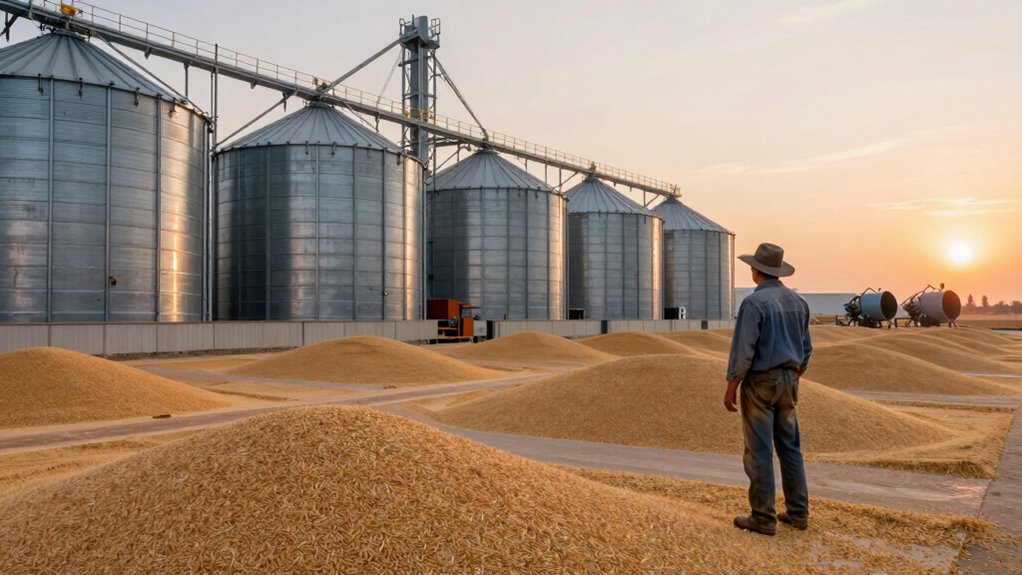

If you want your 80,000-grain system to run smoothly, honest demand math is essential. Accurate demand data helps you avoid costly mistakes like stockouts or excess inventory. It guides better planning, reduces waste, and keeps costs in check. Without truthful demand insights, you risk operational failures and poor customer service. Keep exploring to discover how proper demand analysis can make your system more resilient and efficient.

Get home appliances delivered free with Prime
- Fast, free delivery on millions of items
- Prime Video, Amazon Music and more included
- Member-only deals all year
Key Takeaways
- Accurate demand math ensures effective system design and avoids costly mistakes in managing large-scale grain operations.
- Honest demand analysis prevents overstocking or shortages, maintaining optimal inventory levels.
- Reliable data improves forecast accuracy, reducing storage costs and capital misallocation.
- Demand math helps identify true consumption patterns, enhancing operational resilience.
- Precise demand insights support better planning, customer service, and overall system efficiency.
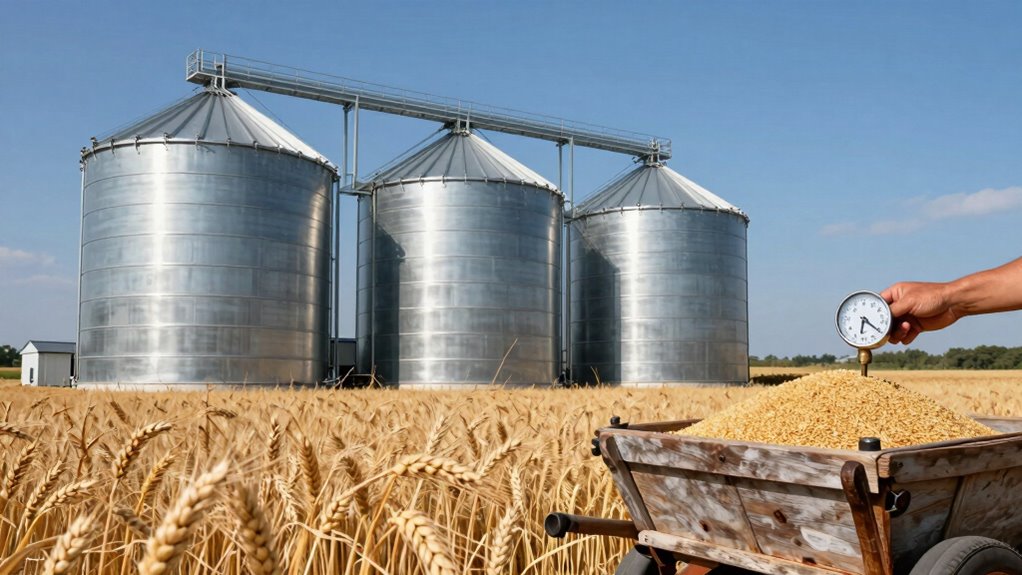
Understanding true demand is essential for designing effective systems, yet many organizations rely on flawed or overly optimistic data. When it comes to managing an 80,000-grain system, this mistake can be costly. Accurate demand measurement isn’t just a good practice—it’s the backbone of successful operations. Without reliable data, your forecast accuracy suffers, leading to either stockouts or excess inventory, both of which hurt your bottom line.
Forecast accuracy depends on your ability to understand actual demand patterns. If your demand data is skewed or overly optimistic, you’ll likely overestimate sales, which causes you to stock more grain than needed. Overestimating demand results in higher inventory levels, tying up capital and increasing storage costs. Conversely, underestimating demand leaves you vulnerable to shortages, disappointing customers, and losing sales. Both scenarios are avoidable when you focus on honest demand math.
Inventory management becomes a balancing act when you lack precise demand insights. You might think that increasing safety stock is the answer, but without knowing real demand, you risk piling up unnecessary inventory or running out of stock at critical moments. Precise demand data enables you to optimize inventory levels, reducing waste and ensuring you meet customer needs without overcommitting resources. When you understand exactly how much grain is being used and forecast that accurately, you can fine-tune your storage and distribution systems for maximum efficiency. Accurate demand data plays a crucial role in this process, helping you avoid costly miscalculations. Additionally, incorporating demand analysis tools allows you to uncover genuine demand patterns rather than relying solely on assumptions.
Relying on flawed or overly optimistic demand assumptions creates a false sense of certainty. This false confidence often leads to decisions based on incomplete or inaccurate information, which can cascade into operational failures. When your demand math isn’t honest, your entire system becomes fragile, vulnerable to fluctuations that could have been anticipated with better data. By investing in tools and processes that improve forecast accuracy, you can make smarter, data-driven decisions that align your inventory levels with real demand patterns. Additionally, demand math involves analyzing historical data to identify genuine trends rather than relying on assumptions or projections that lack transparency.
In the end, honest demand math isn’t just about being precise; it’s about being practical. It empowers you to plan better, reduce waste, and serve your customers more reliably. For an 80,000-grain system, where the stakes are high, understanding true demand isn’t optional—it’s essential. When you get this right, you’ll see improvements across your entire operation, from forecasting to inventory management, creating a resilient and efficient system that stands the test of time.
As an affiliate, we earn on qualifying purchases.
Frequently Asked Questions
How Does Demand Variability Impact System Accuracy?
Demand variability can considerably impact your system’s accuracy because fluctuating demand makes demand forecasting more challenging. When demand is unpredictable, maintaining supply consistency becomes harder, leading to overstock or stockouts. You need precise demand forecasting to adjust your system effectively. By understanding demand variability, you can improve supply consistency, ensuring your system responds accurately to real needs, avoiding costly mistakes and optimizing your overall operations.
What Are Common Misconceptions About Grain System Demand?
Think of demand misconceptions like a mirage in a desert—distorting reality. Many believe storage capacity alone determines demand, but it’s more about accurate marketing strategies and understanding market trends. People often underestimate how demand fluctuates, leading to overstocking or shortages. This false sense of demand can cause inefficiencies, making it essential to analyze true demand patterns rather than relying solely on storage capacity or assumptions.
Can Demand Math Improve Overall Farm Profitability?
Yes, demand math can boost your farm’s profitability by improving market forecasting and optimizing storage capacity. When you accurately assess demand, you avoid over- or under-producing, which helps you make smarter selling decisions. Properly calculating demand guarantees you store just enough grain to meet market needs, reducing storage costs and spoilage. This strategic approach ultimately increases your profits by aligning production with market realities.
How Often Should Demand Calculations Be Reviewed or Updated?
You should review demand calculations at least quarterly, especially during peak harvest seasons, to keep your grain storage and demand forecasting precise. Did you know that a 10% miscalculation can cost thousands? Regular updates help you adapt to changing market conditions, crop yields, and storage needs. Staying proactive ensures your system remains efficient and profitable, preventing shortages or overflows that could hurt your bottom line.
What Tools Are Best for Performing Demand Math Accurately?
You should use specialized tools like demand forecasting software and spreadsheets tailored for grain storage to perform demand math accurately. These tools help you analyze historical data, track inventory levels, and predict future needs with precision. Accurate demand forecasting guarantees you optimize storage capacity, avoid shortages, and reduce waste. Investing in reliable tools streamlines calculations, making your grain storage management more efficient and responsive to changing market conditions.
inventory management software for large-scale storage
As an affiliate, we earn on qualifying purchases.
As an affiliate, we earn on qualifying purchases.
Conclusion
When you embrace honest demand math, you’re planting seeds in fertile soil, not just tossing out wild guesses. It’s like steering a ship through stormy seas, knowing exactly where the lighthouse stands. Without it, your system’s like a broken compass, leading you astray. So, trust the numbers—they’re your truth, your guiding star. Get them right, and watch your 80,000-grain system flourish, blossoming into the harvest you’ve always dreamed of.
demand analysis tools for grain systems
As an affiliate, we earn on qualifying purchases.
As an affiliate, we earn on qualifying purchases.
As an affiliate, we earn on qualifying purchases.
Columbus Day / Indigenous Peoples' Day Picks
long weekend sales
As an affiliate, we earn on qualifying purchases.