In your home, catalytic carbon filters are more effective than standard ones because they transform harmful gases into harmless substances, thanks to their catalytic process. They last longer and need fewer replacements, saving you money and reducing waste. While standard filters trap odors and VOCs temporarily, catalytic filters break down pollutants continuously for cleaner air. Want to discover how this simple upgrade can improve your indoor environment even more? Keep exploring to find out.
Key Takeaways
- Catalytic carbon transforms harmful gases into harmless substances, unlike standard carbon which only traps pollutants.
- Catalytic filters have a longer lifespan due to their ability to continuously break down pollutants.
- Standard carbon filters require frequent replacement as they become saturated quickly.
- Catalytic carbon reduces overall waste and environmental impact through extended use.
- In real homes, catalytic filters maintain consistent air quality by effectively degrading gases over time.
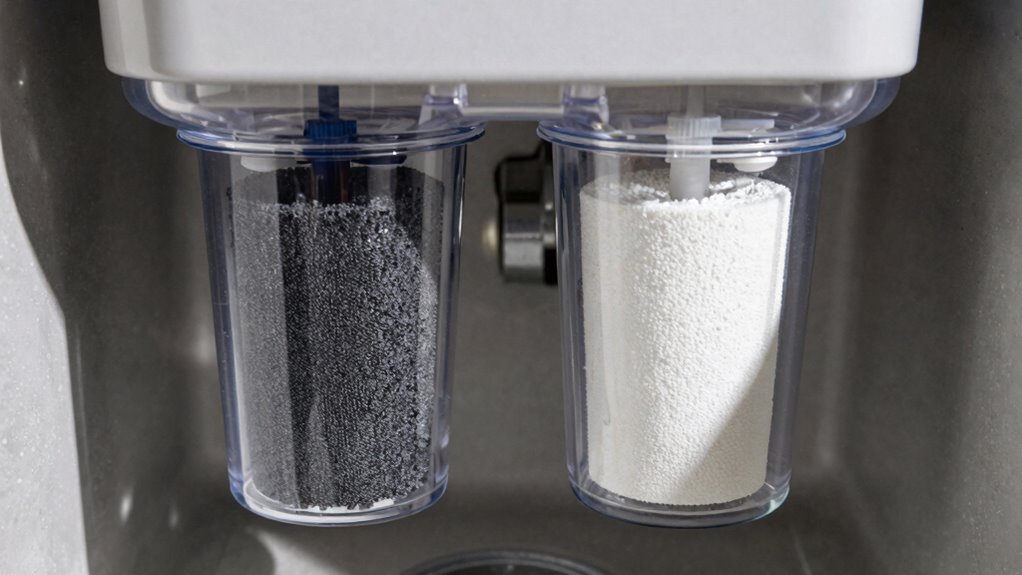
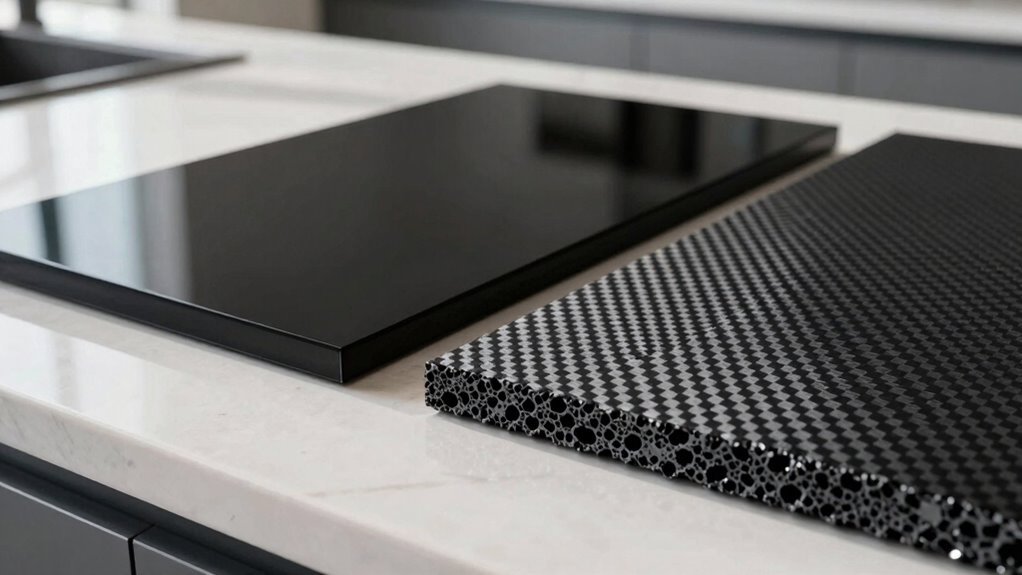
When it comes to improving indoor air quality, choosing the right type of carbon filter can make a significant difference. In your home, this choice impacts not just air purification but also the environment around you. Standard carbon filters have been the go-to for years because they effectively trap odors, gases, and volatile organic compounds (VOCs). They work by adsorbing impurities onto their surface, which is efficient for many common indoor pollutants. However, they can become saturated relatively quickly, requiring frequent replacements to maintain their effectiveness. This replacement process generates waste and increases your environmental impact, as discarded filters add to landfill mass and may contain non-biodegradable materials.
On the other hand, catalytic carbon filters introduce a different approach that enhances the air purification process. These filters contain a catalyst, often made of materials like platinum or palladium, that transforms harmful gases like formaldehyde and other VOCs into harmless substances such as carbon dioxide and water. Because of this catalytic process, these filters can break down pollutants continuously over a longer period without becoming saturated as quickly as standard filters. This means you don’t need to replace them as often, reducing waste and making them a more eco-friendly option. Moreover, catalytic carbon filters are especially effective at targeting gases that standard filters struggle with, making your indoor environment safer and healthier. Catalytic process enhances the overall efficiency of these filters, ensuring a more thorough purification.
In real homes, the difference becomes even more noticeable. Standard carbon filters might initially seem cost-effective, but their shorter lifespan and frequent replacements can add up financially and environmentally. Catalytic filters, while initially more expensive, tend to last longer and do a better job maintaining air quality over time. This durability reduces the frequency of filter disposal, leading to less environmental impact and fewer contributions to landfill waste. Plus, because catalytic carbon can break down pollutants more thoroughly, you’re likely to notice fresher, cleaner air, which benefits your health and overall well-being. The longevity of catalytic carbon filters is a key factor in their overall efficiency and environmental benefits.
Ultimately, your choice between catalytic and standard carbon hinges on balancing cost, effectiveness, and environmental considerations. If you prioritize long-term air purification and minimizing waste, catalytic carbon offers clear advantages. It’s a more sustainable solution that supports better air quality and reduces your environmental footprint. When you invest in a catalytic carbon filter, you’re not just improving your indoor air; you’re also making a conscious decision to lessen your impact on the planet, ensuring a healthier home and environment for years to come. Considering filter lifespan can help you make a more informed decision about which option is best for your needs. Additionally, understanding the filter maintenance requirements can further aid in choosing the most suitable option for your lifestyle.
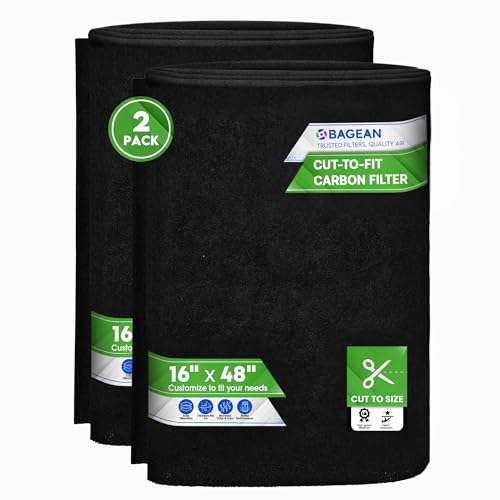
Bagean Cut to Fit Activated Carbon Filter Sheet 16” x 48” Carbon Air Filter
- Freshens Air: Removes odors for a clean environment
- Highly Absorbent: Made from coconut shell carbon
- Superior Odor Removal: Enhanced with extra carbon for better performance
As an affiliate, we earn on qualifying purchases.
As an affiliate, we earn on qualifying purchases.
Frequently Asked Questions
How Long Does Catalytic Carbon Last Before Needing Replacement?
Catalytic carbon typically lasts about 12 to 24 months before you need to replace it, depending on usage and water quality. The carbon lifespan varies with the amount of contaminants in your water, so regular maintenance is essential. Keep an eye on your filtration system’s performance, and replace the catalytic carbon when you notice a decline in water quality or after the recommended replacement frequency, ensuring your system works effectively.
Is Catalytic Carbon Safe for Indoor Air Quality?
Yes, catalytic carbon is generally safe for indoor air quality. It effectively traps indoor air pollutants, reducing health concerns caused by mold, dust, and VOCs. You should guarantee proper maintenance and replacement as recommended, but it doesn’t release harmful substances during use. This helps improve your home’s air quality and supports healthier living, giving you peace of mind about indoor air safety.
Can Catalytic Carbon Remove All Types of Household Odors?
Catalytic carbon effectively removes many household odors, especially those caused by smoke, pets, and cooking, aiding in household scent and odor elimination. However, it doesn’t eliminate all types of odors, such as chemical fumes or strong VOCs. For thorough odor control, combining catalytic carbon with other air purification methods can be more effective, ensuring a fresher, cleaner indoor environment.
How Does Catalytic Carbon Impact Energy Consumption in Homes?
Catalytic carbon improves your home’s air quality and enhances energy efficiency. By effectively removing odors and pollutants, it reduces the need for powerful air purifiers or ventilation systems, saving energy. With better air quality, your heating and cooling systems work more efficiently, lowering energy consumption. You get a healthier, more comfortable home while cutting down on energy costs, making catalytic carbon a smart choice for eco-conscious homeowners.
Are There Any Maintenance Differences Between Catalytic and Standard Carbon?
Yes, there are maintenance differences. Catalytic carbon generally requires more frequent replacement of the air filter to maintain high efficiency, as it can become saturated faster than standard carbon. You should check the filter regularly for buildup and replace it more often to guarantee peak air filter performance. Standard carbon filters usually last longer before needing replacement, making maintenance less frequent but still essential for good air quality.

AIRDOCTOR Genuine AD3000/3500 Replacement Filter. Includes 1 Premium Activated Carbon/VOC with 1 Pre-Filter Attached. Guaranteed Quality & Performance. Removes Smoke & Gases
- Genuine Filters for AD3000 & AD3500: Includes UltraHEPA and Carbon/VOC filters for one year
- Easy Replacement Process: Simple steps to replace filters and reset indicator
- High-Performance Filtration: Filters remove smoke, gases, and airborne chemicals
As an affiliate, we earn on qualifying purchases.
As an affiliate, we earn on qualifying purchases.
Conclusion
In your home, catalytic carbon acts like a vigilant gatekeeper, continuously cleaning the air more efficiently than standard carbon. While both absorb odors and toxins, catalytic carbon’s active process keeps your indoor environment fresher and safer for your family. Think of it as having a dedicated air purifier working tirelessly behind the scenes. Choosing catalytic carbon is like upgrading from a basic filter to a high-performance system—making your home healthier and more comfortable every day.
Bagean Cut to Fit Activated Carbon Filter Sheet 16” x 48” Carbon Air Filter
- Freshens Air: Removes odors for a clean environment
- Highly Absorbent: Made from coconut shell carbon
- Superior Odor Removal: Enhanced with extra carbon for better performance
As an affiliate, we earn on qualifying purchases.
As an affiliate, we earn on qualifying purchases.

Plug In Air Ionizer Purifier for Home (4 Pack), Negative Ion Generator, Quiet Air Freshener for Bedroom, Office, Kitchen, Portable Air Filter, Mini Air Cleaner
- Compact and Lightweight: Small, portable, and space-saving design
- Effortless Air Purification: Releases negative ions to clear airborne particles
- Filter-Free Technology: No filter replacements needed for maintenance
As an affiliate, we earn on qualifying purchases.
As an affiliate, we earn on qualifying purchases.