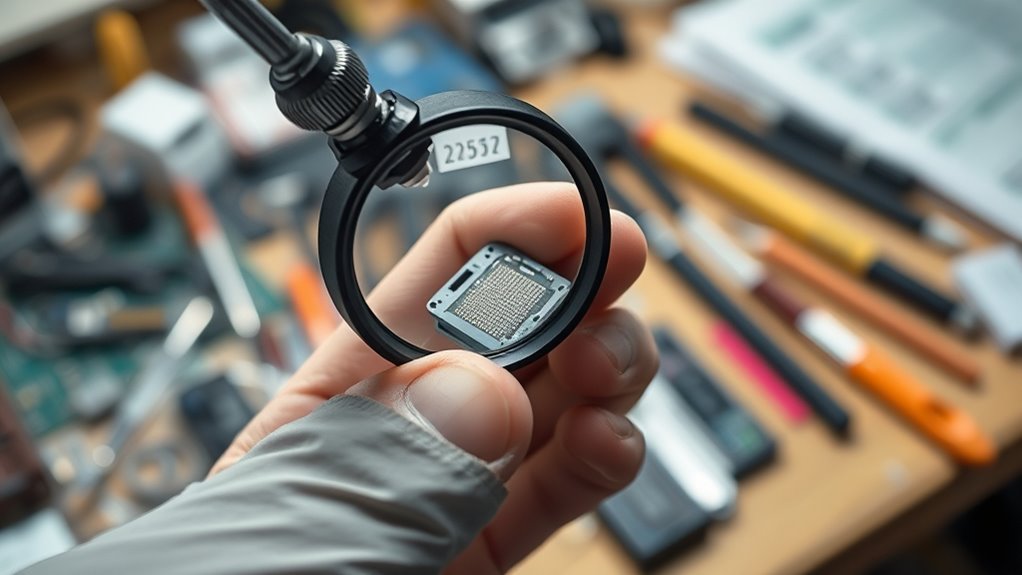

Micron ratings tell you the pore size of a filter and how small particles it can trap, with lower numbers meaning finer filtration. But smaller isn’t always better, since it can reduce flow and increase clogging. Many factors like media quality and design also influence performance. Understanding these details helps you pick the right filter for your needs. If you keep exploring, you’ll discover expert insights that clarify what these ratings truly mean.

Get home appliances delivered free — and shop member deals
- Fast, free delivery on millions of items
- Access to Prime Big Deal Days deals on October 6–7
- Prime Video, Amazon Music and more included
Key Takeaways
- Micron ratings indicate the filter’s pore size; smaller micron numbers mean finer particle removal.
- Proper micron calibration balances filtration efficiency, flow rate, and filter lifespan for optimal performance.
- Lower micron ratings do not automatically mean better filtration; media quality and design are equally crucial.
- Always verify manufacturer claims, as micron ratings are approximate and can vary across brands.
- Different applications require specific micron ratings, from 0.1 microns for viruses to 50+ microns for debris removal.
water filter with 1 micron rating
As an affiliate, we earn on qualifying purchases.
As an affiliate, we earn on qualifying purchases.
Understanding Micron Ratings: The Basics

Have you ever wondered what micron ratings really mean for your filters? Micron ratings indicate the pore size of a filter, which directly impacts what particles it can trap. The smaller the pore size, the higher the filtration efficiency, meaning more tiny particles are captured. For example, a 1-micron filter can block particles larger than one micron, while allowing smaller ones to pass through. Understanding these ratings helps you choose the right filter for your needs, whether you’re filtering water, air, or other substances. It’s essential to match the micron rating with the level of filtration you require, ensuring your system performs effectively. Knowing what micron ratings mean gives you control over your filtration process, helping you make smarter decisions for cleaner, safer results. Additionally, AI security considerations emphasize the importance of accurate filtration to prevent contamination and ensure safety.
As an affiliate, we earn on qualifying purchases.
How Micron Sizes Affect Filtration Performance

The size of the pores in a filter directly influences how well it performs by determining which particles are captured and which pass through. Your filter material’s pore structure plays a critical role, as smaller pores can trap finer particles, improving filtration accuracy. However, tighter pore sizes can also increase resistance, reducing flow rate and requiring more pressure to operate effectively. Conversely, larger pores allow higher flow rates but may let smaller contaminants slip through. The balance between pore size and filter material properties affects durability, efficiency, and maintenance needs. Understanding how these factors interact helps you select the right micron size for your specific application, ensuring ideal filtration performance without sacrificing flow or lifespan. Additionally, advancements in AI technology are increasingly enabling smarter filter designs that optimize pore size for specific contaminants, enhancing overall effectiveness.
As an affiliate, we earn on qualifying purchases.
Common Micron Ratings and Their Applications

Different micron ratings serve specific filtration needs across various industries and applications. For example, a 1-micron filter material is ideal for removing bacteria and large particles, while a 0.1-micron rating targets viruses and fine contaminants. Filtration systems are calibrated to these micron sizes to guarantee optimal performance, so understanding micron calibration is vital. Coarser ratings, like 100 microns, are suitable for pre-filtration or larger debris, whereas finer ratings, such as 5 microns, are used in drinking water or pharmaceutical processes. Each application demands a precise micron rating to balance filtration efficiency and flow rate. Knowing common micron ratings helps you select the right filter material for your needs, ensuring you achieve the desired purity without unnecessary clogging or flow restrictions.
As an affiliate, we earn on qualifying purchases.
The Difference Between Micron Ratings and Pore Size

While micron ratings and pore size are closely related concepts in filtration, they are not interchangeable. Micron rating measures the average size of particles a filter can trap, fundamentally indicating its filtration efficiency. Pore size refers to the actual dimensions of the tiny openings within the filter media. Although smaller pore sizes generally lead to better filtration efficiency by capturing smaller particles, the micron rating provides a standardized way to compare filters across different brands and types. Keep in mind that a filter with a specific micron rating doesn’t guarantee perfect particle removal, as pore size distribution and filter material also influence performance. Understanding this difference helps you choose filters that meet your specific needs without over- or under-specifying based on micron ratings alone. Additionally, tableware materials such as ceramic and glass can be affected by filtration processes when preparing or purifying water or beverages, making this knowledge useful beyond just industrial filtration.
Why Smaller Micron Numbers Aren’t Always Better

Choosing a filter with a smaller micron rating might seem like the best way to guarantee your water or air is thoroughly cleaned, but it’s not always the case. A filter’s pore size, measured in microns, determines what particles it can trap, but smaller isn’t always better. If the micron size is too tiny, it can clog quickly, reducing flow and making maintenance more frequent. Additionally, overly fine filters might trap beneficial minerals or allow smaller contaminants to bypass if the filter isn’t designed properly. Some particles are too small or too flexible to be filtered out effectively, regardless of the micron rating. Ultimately, selecting a filter with an appropriate micron size depends on balancing filtration efficiency with flow rate and maintenance needs. Bigger isn’t always better when it comes to micron ratings. Proper filter installation and regular maintenance are essential to ensure optimal performance and longevity of your filtration system.
How to Choose the Right Micron Rating for Your Needs

To pick the right micron rating, start by evaluating your water quality needs. Consider what contaminants or particles you want to remove and how clean your water should be. Then, match your filter’s micron size to your specific usage to guarantee effective filtration without unnecessary expense. Additionally, understanding the micron rating helps you select a filter that balances filtration efficiency and cost.
Assess Water Quality Needs
How do you determine the right micron rating for your water filtration needs? Start by testing your water to identify contaminants. If you’re concerned about waterborne bacteria, you’ll need a filter with a micron rating of 0.5 or lower, since bacteria are larger particles. For removal of sediments and larger debris, a filter rated at 5 microns or higher might suffice. If chemical filtration is your goal, focusing on activated carbon filters with appropriate micron ratings ensures removal of chlorine, volatile organic compounds, and other chemicals. Keep in mind that a lower micron rating offers more thorough filtration but may slow water flow. Assess your water quality first, then choose a micron rating that effectively targets the specific contaminants you want to remove. Understanding media guides can help you select the most suitable filter media for your needs.
Match Filter to Usage
Understanding your specific water usage helps you select the right micron rating for your filter. If you’re dealing with larger particles or sediment, choose a filter media with a higher pore size to prevent clogging. For finer contaminants like bacteria, opt for a lower micron rating. Consider these factors:
- The types of particles you want to remove
- The quality of your water source
- The flow rate you need
- Maintenance frequency
- The longevity of the filter media
Matching the micron rating to your needs guarantees effective filtration without unnecessary waste or frequent replacements. Remember, smaller pore sizes trap more contaminants but may slow water flow, so balance your filtration goals with practical use. Selecting the correct micron rating maximizes your filter’s efficiency and lifespan. Proper filtration ensures safety and extends the life of your water system.
Misconceptions About Micron Ratings and Filtration Efficiency

Many people believe that a smaller micron rating always means better filtration, but that’s not the whole story. Filtration efficiency depends on more than just micron size; other factors like filter material and flow rate matter too. For example, the horsepower of electric dirt bikes can influence how well a filter performs under different conditions. Let’s clear up some common misunderstandings so you can choose the right filter for your needs.
Micron Size vs. Filtration
Micron ratings are often misunderstood as the sole indicator of a filter’s effectiveness, but size alone doesn’t tell the whole story. Particle size impacts filter efficiency, but other factors influence how well a filter performs. A filter with a low micron rating may still let smaller particles slip through if it’s not designed for ideal filtration. Conversely, some filters with higher micron ratings can trap finer particles through specialized media or enhanced surface area. To truly understand filtration, consider these factors:
- Filter media quality
- Surface area of the filter
- Flow rate and pressure
- Particle shape and composition
- Overall filter design and construction Understanding filtration principles
Common Misunderstandings Debunked
Have you ever assumed that a filter with a lower micron rating automatically performs better? That’s a common misconception. While smaller micron ratings can capture finer particles, they don’t necessarily mean better filtration overall. Filter durability plays a role here—more tightly woven filters may clog faster, reducing lifespan and increasing maintenance costs. It’s important to balance micron size with cost considerations; a very fine filter might seem ideal but could be more expensive and less practical over time. Additionally, a filter’s effectiveness depends on its design and intended use, not just micron rating alone. Don’t assume that lower micron ratings always translate into superior filtration performance. Instead, consider your specific needs, filter durability, and long-term costs to make an informed choice. Understanding Volkswagen TDI Tuning can also help you select filters that optimize performance without sacrificing reliability.
Practical Examples of Micron Ratings in Use
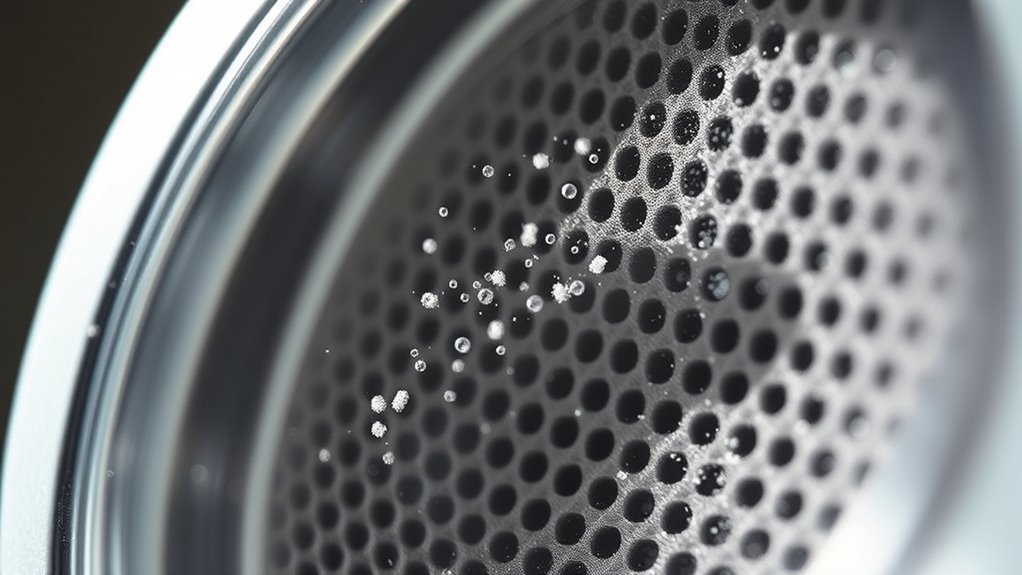
Ever wonder how micron ratings affect everyday filtration? Micron ratings directly influence the filter material’s ability to trap particles, impacting both performance and durability. For example, a 5-micron filter is ideal for removing larger debris like dirt and sand, while a 1-micron filter targets finer contaminants such as bacteria and pollen. Higher micron durability means the filter can withstand more use without losing effectiveness.
Here are some practical examples:
- Water purification systems using 1-5 micron filters for drinking water safety
- HVAC filters with 10-20 micron ratings for trapping dust and allergens
- Automotive oil filters with 20-50 micron ratings to protect engine components
- Aquarium filters with 1-3 micron ratings for clear, healthy water
- Industrial filters with 50+ micron ratings for debris removal in heavy machinery
Tips for Reading and Comparing Filter Specifications

When comparing filters, understanding how to read their specifications can make a significant difference in choosing the right product for your needs. Focus on the filter material, as it determines durability and compatibility with your system. Next, examine the pore size, which indicates the smallest particles the filter can trap. Smaller pore sizes mean finer filtration but may reduce flow rate, so balance your needs accordingly. Check the micron rating—lower numbers signify finer filtration. Be cautious of vague terms or unverified claims; always verify the source and standards. Comparing filters side-by-side helps you see differences in pore size and material quality. Ultimately, knowing how to interpret these specifications ensures you select a filter that provides excellent performance and longevity for your specific application.
Expert Insights: What Professionals Want Consumers to Know

Experts emphasize that understanding micron ratings correctly can considerably impact your filter’s performance. They warn against common misunderstandings, like assuming lower ratings always mean better filtration. Knowing how to interpret these ratings helps you choose the right filter for your needs.
Proper Rating Interpretation
Understanding micron ratings can be tricky, but knowing how to interpret them correctly is essential for making informed decisions. Many filtration myths circulate, leading to confusion about what the ratings truly mean. Keep in mind that rating accuracy varies between products and manufacturers, so don’t assume all ratings are equal. To interpret ratings properly, consider the following:
- Recognize that lower micron numbers mean finer filtration.
- Don’t rely solely on micron ratings; consider filtration media quality.
- Be aware that some filters claim to remove particles smaller than their rated micron size.
- Understand that ratings are an approximation, not an absolute measure.
- Always verify manufacturer claims to avoid misconceptions about filtration performance.
Impact on Performance
A lower micron rating typically leads to better filtration performance, but it’s not the only factor that matters. While finer filters capture smaller particles, they often reduce filter lifespan, meaning you’ll need to replace them more frequently, increasing maintenance costs. This can impact your overall cost considerations, especially if you prefer high-performance filters that last longer. Additionally, a very low micron rating might slow water flow, affecting system efficiency. Balancing micron rating with filter durability ensures peak performance without unnecessary expenses. Keep in mind that choosing a filter with the right micron rating can improve water quality while maintaining a reasonable lifespan, helping you avoid frequent replacements and unexpected costs. Your goal should be to find the best combination of filtration quality and longevity for your needs.
Common Misunderstandings
Many consumers assume that selecting a filter with the lowest possible micron rating guarantees the best water quality. However, this isn’t always true. A very fine filter may clog quickly, reducing its filter lifespan and increasing maintenance routines. It can also remove beneficial minerals along with contaminants, which might affect water taste and health.
- Lower micron ratings don’t always mean better filtration if the filter isn’t maintained properly
- Overly fine filters can cause increased pressure and shorter lifespan
- Bigger particles may be ignored, leading to bacteria buildup
- Proper maintenance routines extend filter lifespan and ensure consistent quality
- Choosing the right micron rating depends on your water source and needs, not just size alone
Understanding these misconceptions helps you make smarter choices and keep your filtration system working efficiently.
Frequently Asked Questions
How Do Micron Ratings Impact Water Taste and Odor?
Micron ratings directly affect water taste and odor by determining how effectively your filter removes contaminants. A lower micron rating means better water purity, as it captures smaller particles that can cause bad taste and smell. When your filter targets the right micron size, it removes impurities and contaminants, improving water flavor and odor. So, choosing the correct micron rating helps guarantee cleaner, better-tasting water by enhancing contaminant removal.
Can a Filter With a Smaller Micron Rating Clog Faster?
Yes, a filter with a smaller micron rating can clog faster because it traps more particles, which can quickly fill the filter and reduce its lifespan. Clogging factors include the water’s sediment content and usage volume, so if your water has more debris, expect more frequent replacements. Regular maintenance and choosing the right micron rating for your water quality help prevent premature clogging and extend your filter’s lifespan.
Are Higher Micron Ratings Always More Cost-Effective?
Higher micron ratings aren’t always more cost-effective, but they can extend filter lifespan and improve filtration efficiency. You might save money upfront, but if the filter lets too many particles through, it could damage your equipment or require more frequent replacements. Think of it like a trade-off: choosing a filter with a slightly larger micron rating could keep your system running smoothly longer, saving you time and money in the long run.
How Often Should Filters Be Replaced Based on Micron Ratings?
You should replace filters based on their micron ratings and your filter maintenance schedule. Generally, filters with lower micron ratings need more frequent replacements because they trap smaller particles. Check your manufacturer’s guidelines and monitor filter performance regularly. If you notice a drop in airflow or increased pressure, it’s time for a replacement. Following a proper replacement schedule guarantees peak filtration, prolongs filter life, and maintains your system’s efficiency.
Do Micron Ratings Vary Between Different Filtration Brands?
Oh, absolutely, brand names often treat micron ratings like a secret recipe—completely different filter materials can have wildly varying micron rating accuracy. So, when you shop around, don’t assume all brands are equal; some might promise tiny particles but deliver just dust. Always check the filter material and verify the micron rating accuracy, because trusting a fancy label might leave you filtering out more than just dirt.
Conclusion
Understanding micron ratings helps you choose the right filter for your needs. Imagine you’re replacing your home’s water filter and select a 5-micron filter, only to find it doesn’t remove sediment as expected. Knowing what micron ratings mean guarantees you pick the right size for your situation, saving you time and money. With this knowledge, you’ll confidently make smarter choices, keeping your water clean and safe every day.
NFL season / tailgating Picks
team gear
As an affiliate, we earn on qualifying purchases.