
To guarantee proper flow in a multi-story home, you need to manage pressure zones carefully. Water pressure naturally drops as it moves upward, so proper pipe sizing and pressure regulation are essential. Installing booster pumps or pressure tanks on upper floors helps maintain steady flow. Planning the layout to account for pressure drops and demand at each fixture prevents issues. Keep exploring to find out how designing with these factors in mind will improve your plumbing system.

Get home appliances delivered free — and shop member deals
- Fast, free delivery on millions of items
- Access to Prime Big Deal Days deals on October 6–7
- Prime Video, Amazon Music and more included
Key Takeaways
- Water pressure decreases on upper floors due to gravity and friction, requiring pressure management solutions.
- Proper pipe sizing ensures consistent flow and minimizes pressure drops across different zones.
- Installing pressure booster systems can maintain uniform pressure throughout multi-story homes.
- Designing the plumbing layout with pressure zones optimizes flow and reduces fluctuations at fixtures.
- Balancing pipe diameters and pressure regulation enhances system efficiency and fixture performance.
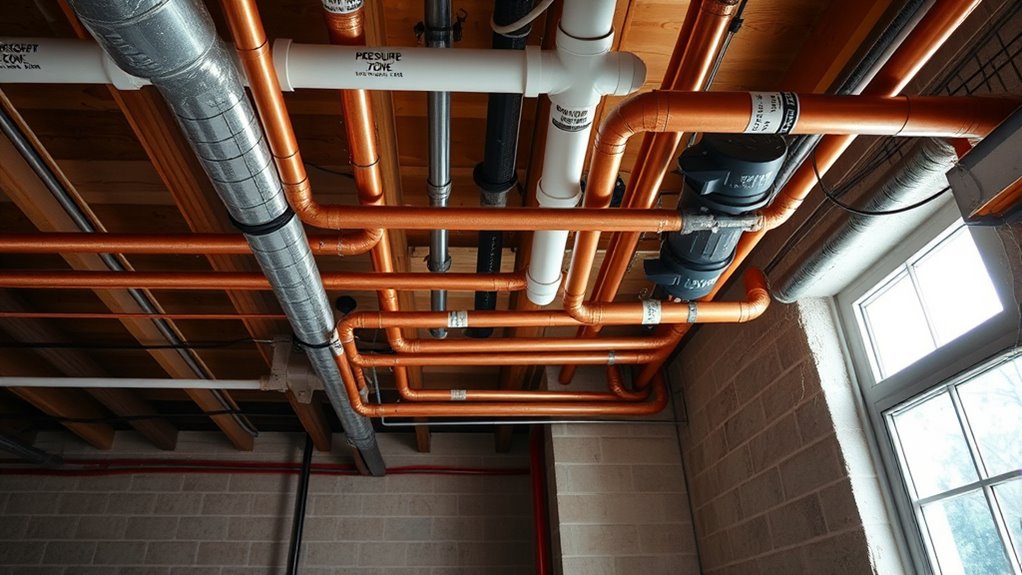
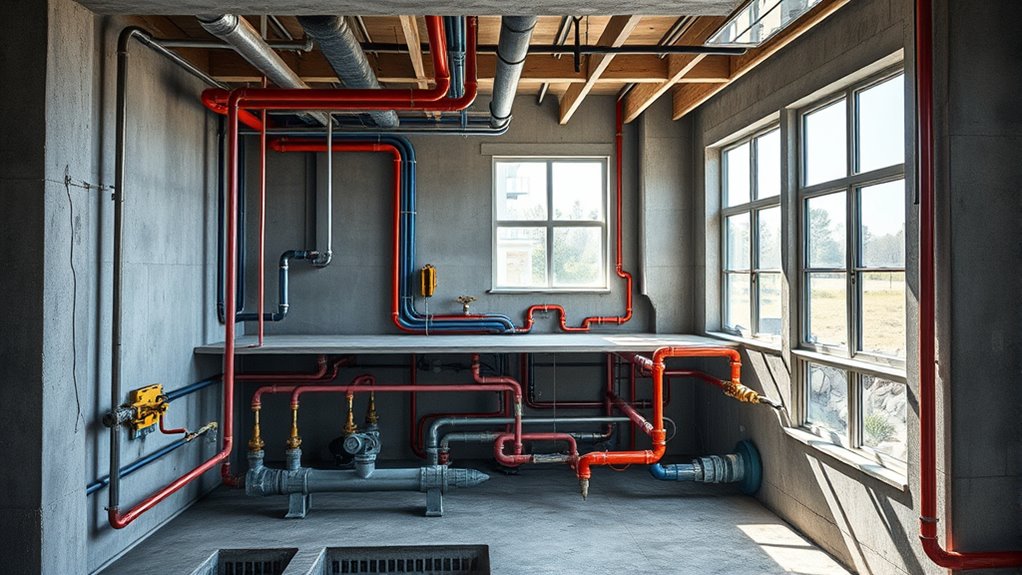
When designing plumbing systems for multi-story homes, understanding how water flows between different pressure zones is essential. Water pressure naturally varies across floors, with higher pressure near the water source and decreased pressure as water travels upward. To guarantee consistent, reliable flow throughout the house, you need to carefully consider how pressure drops and how pipe sizing can mitigate these issues. Proper pipe sizing plays a crucial role in maintaining ideal water pressure at every fixture, particularly on upper floors where gravity and friction can greatly reduce flow rates. Installing pipes that are too narrow causes excessive pressure loss, leading to weak water flow at sinks, showers, and appliances. Conversely, using pipes that are too large can be unnecessarily costly and space-consuming, so striking the right balance is key.
When planning your pipe sizing, think about the demand at each fixture and the height of each zone. Larger pipes reduce flow restrictions, but their increased cost and space requirements mean you should only use them where necessary. For example, main supply lines should be adequately sized to handle the combined flow of multiple fixtures, especially on higher floors. Branch lines feeding individual bathrooms or kitchens can be smaller but still must be appropriately sized to prevent pressure drops. Using standard pipe sizing charts tailored for residential plumbing helps you decide the correct diameter for each section, ensuring water pressure remains steady across the entire system. Additionally, ensuring proper pressure regulation is vital to prevent fluctuations and maintain comfort throughout the home.
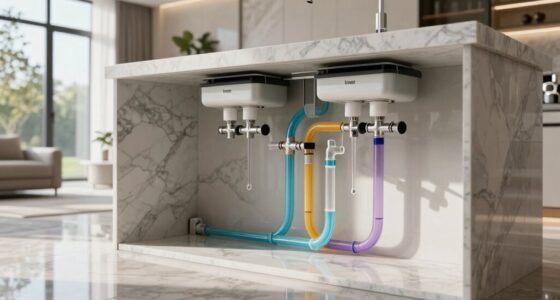
In multi-story homes, pressure booster systems often become necessary to maintain consistent water pressure on upper floors. These systems, such as pressure tanks or pumps, compensate for pressure loss caused by elevation and friction. When selecting a booster, consider the total flow rate needed and the height difference between the water source and the highest fixture. Properly integrating these systems with your pipe sizing ensures you avoid weak flows or surges that can damage fixtures or reduce comfort.
Finally, understanding how water pressure interacts with pipe sizing and pressure zones guides you in creating an efficient, functional plumbing system. It’s not just about installing pipes but designing a layout that accounts for pressure drops, fixture demands, and the elevation of each zone. By paying close attention to these factors, you ensure reliable water delivery, prevent issues caused by low pressure, and enhance the overall performance of your multi-story home’s plumbing system.
residential water pressure booster pump
As an affiliate, we earn on qualifying purchases.
As an affiliate, we earn on qualifying purchases.
Frequently Asked Questions
How Do Pressure Zones Affect Water Quality in Multi-Story Homes?
Pressure zones can impact your water quality by causing pressure fluctuations, which may lead to inconsistent flow and possible water stagnation in certain areas. These fluctuations can increase the risk of contaminants settling, reducing water clarity and safety. To prevent this, guarantee proper system design and maintenance. Regularly flush your pipes and check pressure regulators to maintain steady pressure, minimizing stagnation and keeping your water clean and healthy.
What Are the Best Practices for Balancing Pressure Across Multiple Floors?
Like a modern-day Robin Hood, you want to distribute water fairly across your home. To do this, focus on pressure balancing by installing pressure-reducing valves and pressure regulators at strategic points. Zone optimization involves dividing your home into manageable sections and adjusting valves to maintain consistent pressure. Regularly check for leaks and guarantee your system is properly maintained to keep flow steady and prevent pressure fluctuations.
How Do Flow Considerations Differ Between New and Existing Multi-Story Homes?
In new multi-story homes, flow considerations are integrated into the design, making plumbing upgrades smoother and reducing renovation challenges. For existing homes, you face more hurdles, like retrofitting pipes and adjusting pressure zones. You’ll need to balance flow carefully to prevent pressure drops or surges, especially during renovations. Proper planning guarantees your plumbing system functions efficiently, minimizing disruptions and costly repairs in both new constructions and upgrades.
What Impact Do Pressure Zones Have on Water Heater Performance?
Pressure zones can substantially impact your water heater’s performance by causing pressure fluctuations throughout your system. These fluctuations can lead to inconsistent hot water delivery and increased wear on the heater. Properly managing pressure zones improves system efficiency, ensuring your water heater operates smoothly and reliably. You might need pressure regulation devices or zone balancing to minimize fluctuations, maximizing your water heater’s lifespan and maintaining steady hot water supply.
Are There Specific Regulations Governing Flow and Pressure in Multi-Story Buildings?
Think of plumbing codes as the blueprint for a smooth water dance in your home. Yes, zoning regulations and plumbing codes set specific rules for flow and pressure in multi-story buildings. They make certain your water system performs reliably and safely. You must follow these regulations to prevent issues like low pressure or burst pipes, making sure your water flows seamlessly from floor to floor, like a well-choreographed ballet.
As an affiliate, we earn on qualifying purchases.
Conclusion
Understanding flow considerations for multi-story homes and pressure zones helps you navigate your plumbing system like a seasoned captain steering through choppy waters. By balancing pressure and ensuring proper zoning, you prevent headaches and water woes. Think of your plumbing as a symphony—when each element plays in harmony, your home’s water flow runs smoothly. Master these principles, and you’ll keep your household running effortlessly, turning potential chaos into a well-orchestrated flow of comfort.
As an affiliate, we earn on qualifying purchases.
pressure regulation valve for home
As an affiliate, we earn on qualifying purchases.
As an affiliate, we earn on qualifying purchases.
NFL season / tailgating Picks
team gear
As an affiliate, we earn on qualifying purchases.