
To size your system accurately, identify your maximum power loads by collecting data from appliances, equipment, and lighting, focusing on when multiple devices run simultaneously. Sum these wattages to find your peak demand, then add safety margins for future growth or transient surges. This guarantees your system can handle the highest loads without over or underestimating needs. Keep going to discover how precise load calculations help optimize system design and reduce costs.

Get home appliances delivered free with Prime
- Fast, free delivery on millions of items
- Prime Video, Amazon Music and more included
- Member-only deals all year
Key Takeaways
- Collect real-time data on all appliances and loads during peak periods for accurate load estimation.
- Identify the maximum simultaneous power draw to determine true peak demand.
- Calculate total peak load by summing wattages during highest usage times, rather than using averages.
- Include safety margins and future growth considerations when sizing electrical systems.
- Use peak demand calculations to select appropriately rated equipment and prevent overloads.
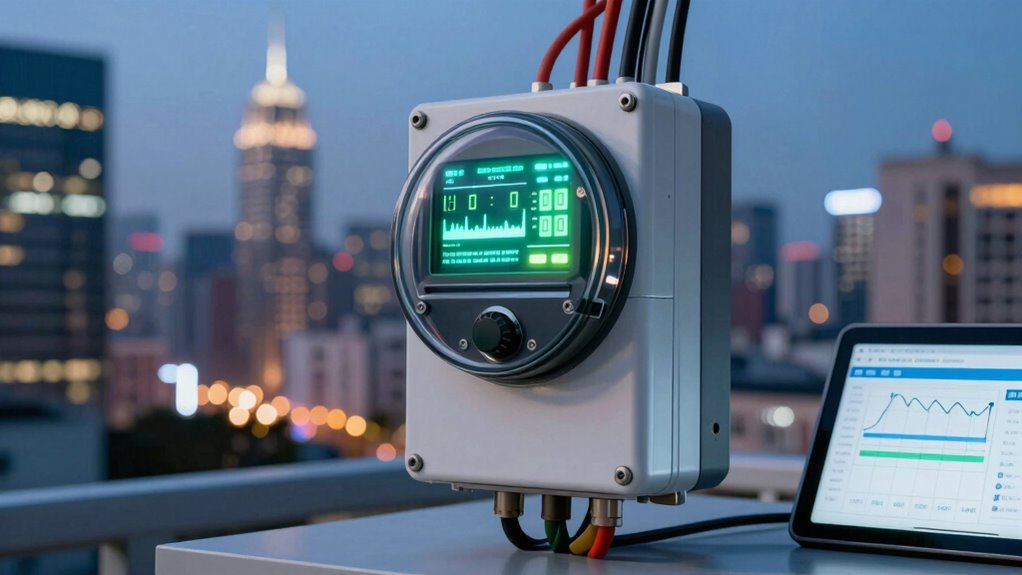
Peak demand math is vital for understanding when and how electricity usage hits its highest levels. When you’re planning a new electrical system or upgrading an existing one, knowing the peak demand helps you accurately perform load calculations and determine the right system sizing. Without this understanding, you risk overestimating or underestimizing your needs, which can lead to unnecessary costs or performance issues. To get started, you need to analyze your maximum power consumption over a specific period. This involves collecting data from your electrical loads—appliances, machinery, lighting, and other devices—to identify when they draw the most power simultaneously. By performing a load calculation, you’ll sum the wattages of all these devices during peak times. This process is vital because it provides a realistic estimate of your maximum load, rather than relying on continuous or average consumption figures, which can be misleading when sizing a system. Additionally, understanding your peak demand can help you implement strategies like demand response programs that reduce costs during high-usage periods. Once you’ve completed your load calculation, you can move on to system sizing. This step guarantees that your electrical infrastructure can handle the peak demand without failure or excessive strain. Proper system sizing involves selecting equipment, wiring, and protective devices that accommodate the highest expected load. For example, if your load calculation shows a peak demand of 50 kW, your system should be rated slightly above that figure to account for future growth, transient surges, and safety margins. This approach helps avoid issues like overloaded circuits, frequent breaker trips, or inefficient operation. Understanding peak demand math also enables you to implement strategies for demand management. You might consider load shifting—rescheduling high-power tasks to off-peak times—or installing energy-efficient devices to reduce the overall load. These tactics not only help in minimizing system size but also lower energy costs and improve reliability. Additionally, accurate load calculations and system sizing can facilitate better negotiations with utility providers, potentially reducing demand charges based on your peak usage.
As an affiliate, we earn on qualifying purchases.
Frequently Asked Questions
How Do Weather Variations Affect Peak Demand Calculations?
Weather variations substantially impact your peak demand calculations by causing seasonal fluctuations and unpredictable changes in energy use. Hotter weather increases cooling demands, while colder weather boosts heating needs, leading to higher peak loads. Sudden weather pattern shifts can also cause unexpected spikes. To size your system accurately, you must account for these weather-driven fluctuations, ensuring your system can handle peak demands during extreme conditions without overestimating or underestimating capacity.
What Software Tools Assist in Accurate Peak Demand Sizing?
You can use load forecasting software tools like SKM PowerTools, ETAP, or HOMER to help size your system accurately. These tools leverage advanced software capabilities to analyze historical data, weather patterns, and consumption trends, allowing you to predict peak demand precisely. By utilizing these software options, you avoid guesswork, ensuring your system is properly sized to meet your needs efficiently and reliably.
How Often Should Peak Demand Be Recalculated for Accuracy?
Recalculating peak demand is like tuning a musical instrument—you should do it regularly for ideal performance. You’ll want to update your load forecasting at least annually or whenever significant changes occur, such as new equipment or changes in usage patterns. This keeps your system optimized, ensuring it can handle peak loads without over-sizing. Regular recalculations improve accuracy and help you make data-driven decisions for efficient system design.
Can Demand Response Programs Reduce Peak Load Effectively?
Demand response programs can effectively reduce peak load by encouraging you to shift or reduce energy usage during high-demand periods. When you participate, you help balance the grid and lower overall peak demand, which can lead to cost savings and increased system reliability. By actively responding to program signals, you contribute to a more efficient energy system, making peak load management more sustainable and beneficial for everyone involved.
What Are the Common Mistakes to Avoid in Peak Demand Sizing?
When sizing for peak demand, avoid common mistakes like neglecting accurate load forecasting and over-relying on historical data. You should also ignore demand management strategies, which can help reduce peak load. Don’t forget to take into account future growth and variability in usage. Failing to take into account these factors can lead to undersized or oversized systems, increasing costs and inefficiencies. Always incorporate current data and demand response options for precise sizing.
As an affiliate, we earn on qualifying purchases.
Conclusion
By mastering peak demand math, you can size your system accurately without guesswork, saving money and avoiding overcapacity. Some might think it’s too complex or time-consuming, but with the right tools and approach, you’ll find it straightforward and worthwhile. Investing a little effort upfront guarantees your system is optimized for actual needs, preventing costly overbuilding or shortages later. Ultimately, understanding peak demand math empowers you to make smarter, data-driven decisions confidently.
As an affiliate, we earn on qualifying purchases.
As an affiliate, we earn on qualifying purchases.
NFL season / tailgating Picks
team gear
As an affiliate, we earn on qualifying purchases.