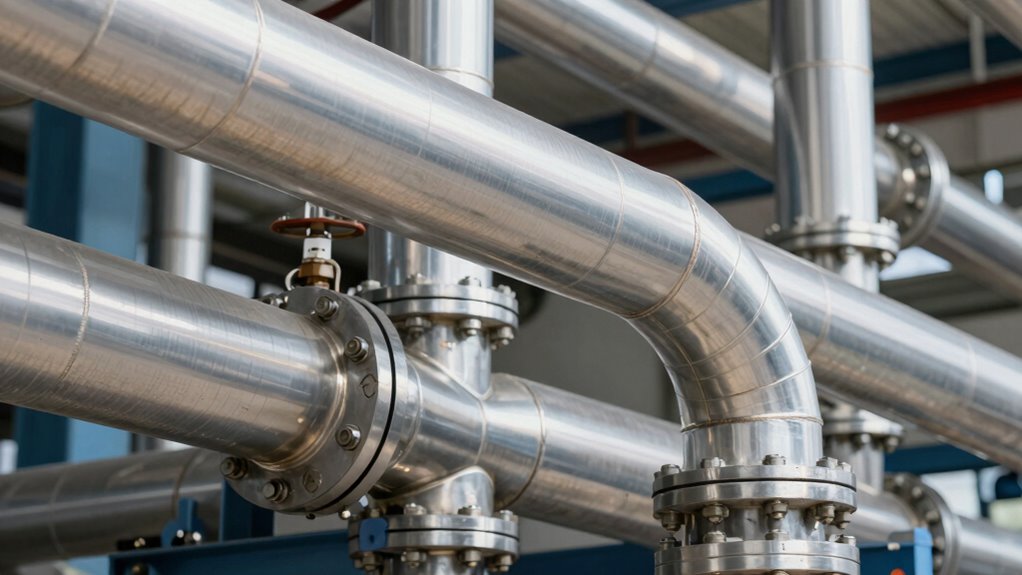

In larger fluid systems, you might notice things feel worse because more pipes, fittings, and components add resistance. As flow travels through wider and longer networks, pressure drops increase, especially at higher flow rates or with rougher surfaces. This means more energy is needed to maintain the same flow, leading to lower pressure at outlets. Understanding how system size impacts resistance can help you optimize design—if you want to learn more, keep exploring this topic further.
Key Takeaways
- Larger systems have more components and longer pipes, increasing overall resistance and potential pressure drops.
- Higher flow rates in bigger systems cause turbulence, raising pressure loss and reducing efficiency.
- Pipe roughness and sharp fittings contribute more to resistance in larger setups, worsening pressure drops.
- Proper design and sizing are essential to minimize resistance and maintain pressure in bigger systems.
- Without accounting for increased resistance, larger systems often experience performance issues and feel worse.
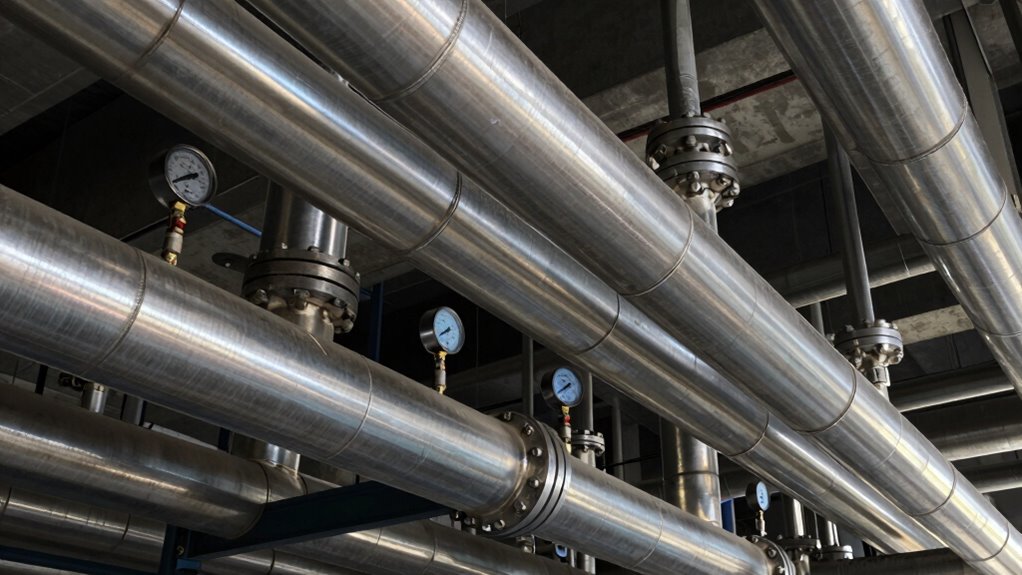
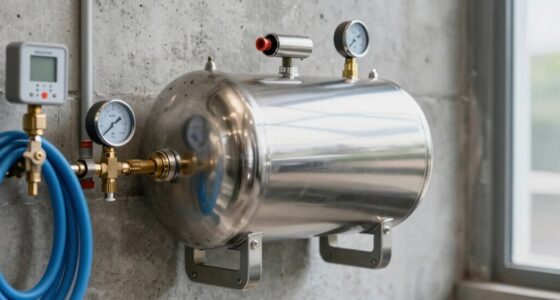
Have you ever wondered why pressure decreases as fluid moves through a pipe or system? It’s a common question in fluid dynamics, and understanding the answer can help you troubleshoot or optimize various systems. When fluid flows through a pipe, it encounters resistance from the pipe walls, fittings, valves, and other components. This pipe resistance results in a pressure drop along the length of the pipe. The longer and narrower the pipe, the greater the resistance, and consequently, the larger the drop in pressure.
You might expect that bigger systems, with their larger pipes and more complex layouts, would minimize pressure issues. However, the opposite is often true. As systems grow in size, they tend to include more components that add resistance, like elbows, reducers, filters, and valves. Each of these contributes to the overall pipe resistance. The more resistance you have, the more energy (or pressure) you need to keep the fluid moving at a certain flow rate. When this energy isn’t supplied, pressure drops become more noticeable and can cause performance issues.
This phenomenon is rooted in the principles of fluid dynamics, which describe how fluids behave under different conditions. The pressure drop isn’t just a matter of pipe size; it’s also influenced by the flow rate, fluid viscosity, and the roughness of the pipe’s interior surface. Higher flow rates increase turbulence, which in turn heightens pipe resistance. Rougher pipe interiors or fittings with sharp angles create more turbulence, intensifying resistance and further reducing pressure downstream.
When you deal with larger systems, the cumulative effect of pipe resistance becomes more significant. Even if individual components are designed for minimal resistance, their combined impact can cause a substantial pressure drop. This is why bigger systems sometimes feel worse—they require careful planning to manage these losses. If you don’t account for the increased pipe resistance and resulting pressure drops, the system may not deliver enough pressure where you need it most, leading to poor performance or inefficiencies.
Additionally, system design considerations such as pipe layout and component placement play a crucial role in managing pressure drops effectively. In essence, bigger doesn’t always mean better in fluid systems, especially when it comes to pressure maintenance. The key lies in understanding fluid dynamics and how pipe resistance impacts pressure flow. By optimizing pipe sizes, reducing unnecessary fittings, and controlling flow rates, you can minimize pressure drops even in large, complex systems. Recognizing these factors helps you design or troubleshoot systems more effectively, ensuring consistent performance and avoiding pressure-related issues.

SENCTRL 100 Psi Lead-Free Glycerin Liquid Filled Low Water Pressure Gauge
- Lead-Free Materials: Suitable for potable water testing
- Corrosion-Resistant Case: 304 stainless steel enclosure
- Vibration Dampening: Glycerin filled for stability
As an affiliate, we earn on qualifying purchases.
As an affiliate, we earn on qualifying purchases.
Frequently Asked Questions
How Does Pipe Material Affect Pressure Drop?
Your pipe material considerably impacts pressure drop because of pipe roughness. Smoother materials like copper or PVC cause less friction, reducing pressure loss, while rougher materials like galvanized steel increase roughness and pressure drop. Additionally, material cost influences your choice; cheaper options may have higher roughness, leading to more pressure loss. Selecting the right material balances cost and performance, ensuring efficient flow with minimal pressure drop in your system.
Can Temperature Changes Influence Pressure Drop Readings?
Temperature changes can definitely influence pressure drop readings. As pipes heat up, thermal expansion occurs, stretching the material and slightly reducing internal resistance. This can cause pressure sensors to detect lower readings, even if actual pressure remains steady. Conversely, cooling tightens pipes, increasing resistance and pressure drop. So, always consider temperature fluctuations when measuring pressure drops to make certain of accurate readings and proper system performance.
Why Do Longer Pipes Sometimes Have Less Pressure Drop?
You might notice longer pipes sometimes have less pressure drop because increasing pipe length doesn’t always proportionally increase resistance if the flow velocity decreases. When flow slows down, the friction between the fluid and pipe walls lessens, reducing pressure loss. So, if a longer pipe has a lower flow velocity, the pressure drop can be less than in a shorter pipe with faster flow, balancing out the effects of length.
How Does Fluid Viscosity Impact Pressure Loss?
Fluid viscosity especially impacts pressure loss because higher viscosity increases flow resistance. When your fluid has greater viscosity, it resists movement more, leading to higher pressure drops across pipes and fittings. Conversely, lower viscosity fluids flow more easily, reducing pressure loss. Viscosity effects are vital in system design, as they influence pump sizing and energy efficiency, especially when handling thick or sticky fluids that create more flow resistance.
What Role Does Valve Type Play in Pressure Drop?
Did you know that valve design can increase flow resistance by up to 50%? When selecting a valve type, you directly influence pressure drop. Ball valves, for example, create minimal resistance, while globe valves cause higher pressure drops due to their design. Your choice impacts system efficiency; a well-chosen valve minimizes pressure loss, ensuring smoother flow and better performance. Always consider flow resistance when choosing the right valve for your system.
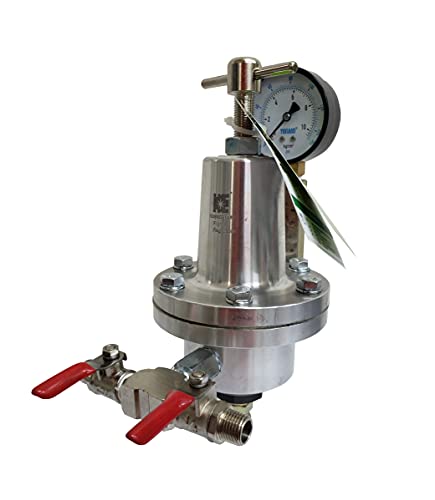
COSMOSTAR R0921 Low-Pressure Fluid Regulator, Max. Fluid Inlet Pressure 145 PSI, Aluminium Fluid Pressure Controller for Finishing Spray Coating Adjustable Fluid Pressure Control.
- Design: Mechanical or pneumatic aluminium regulator
- Applications: Suitable for low and high viscosity fluids
- Function: Ensures precise pressure regulation for coatings
As an affiliate, we earn on qualifying purchases.
As an affiliate, we earn on qualifying purchases.
Conclusion
So, next time you feel a bigger system isn’t delivering as well, remember that pressure drop plays a big role. Remarkably, studies show that a 10% increase in pressure drop can reduce system efficiency by up to 20%. That’s why bigger isn’t always better—more components can mean more resistance. By understanding pressure drop, you can troubleshoot and optimize your system for better performance, avoiding those frustrating drops in pressure that make everything feel worse.

PD242 Series PD Steel Test Port and Diagnostic Equipment Quick Coupler with Female Pipe Thread, 1/8" Body Size, 1/4"-18 NPTF Thread Size, 2.12" Length
- Easy Push-to-Connect: Quick and effortless connection
- Wide Compatibility: Fits Parker SensoControl and engine ports
- Reliable Flush Face Valves: Minimize air and spillage for accuracy
As an affiliate, we earn on qualifying purchases.
As an affiliate, we earn on qualifying purchases.

Klein Tools ET180 Digital Manometer, Air and Gas Pressure Tester, Differential Dual Port Pressure Gauge, Large LCD Display with Backlight
- Measure Static and Differential Pressure: From two ports in air and gas systems
- HVAC Troubleshooting: Range of +/- 60 inH2O with 1.5% accuracy
- Hands-Free Operation: Secure with strong magnet on back
As an affiliate, we earn on qualifying purchases.
As an affiliate, we earn on qualifying purchases.