
To separate genuine needs from marketing hype, start with thorough water testing from certified labs to identify real contaminants. Focus on verified certifications and independent test results when choosing filtration systems. Be wary of exaggerated claims and compare total costs, including maintenance, over the system’s lifespan. By relying on facts and proven technologies, you guarantee your water upgrades are effective and necessary. Keep exploring, and you’ll discover how to confidently make the right improvements for your water quality.

Get home appliances delivered free with Prime
- Fast, free delivery on millions of items
- Prime Video, Amazon Music and more included
- Member-only deals all year
Key Takeaways
- Conduct independent water testing to accurately identify contaminants before investing in filtration systems.
- Verify filtration claims through reputable certifications and independent performance tests.
- Match filtration options directly to specific water quality issues identified in tests.
- Consider total costs, including maintenance and filter replacements, over the system’s lifespan.
- Be skeptical of exaggerated claims; prioritize proven technologies supported by verified data.
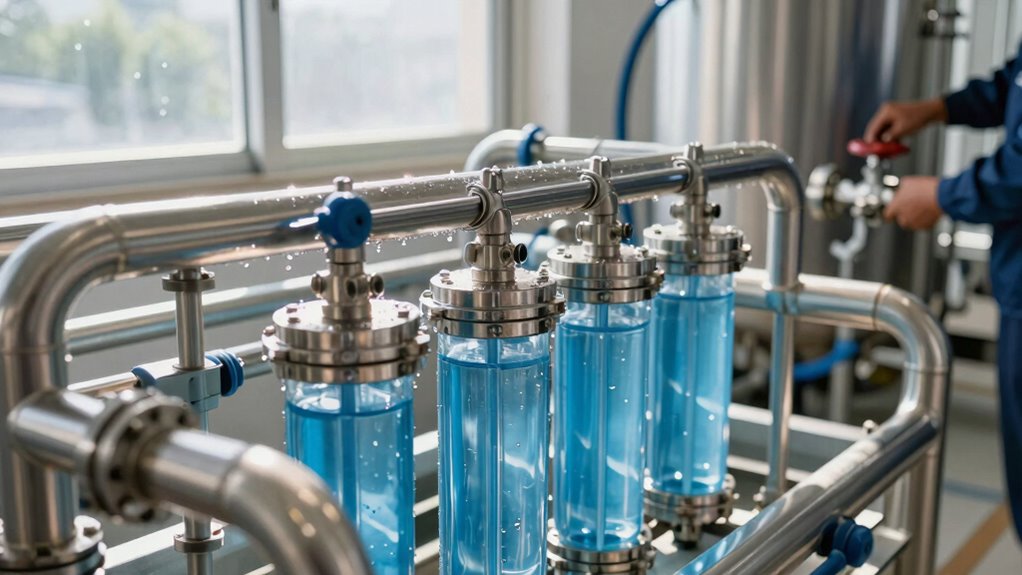
In recent years, the push for water upgrades has gained momentum, but not every claim about their benefits holds up under scrutiny. As someone considering these upgrades, you need a clear way to distinguish between genuine needs and marketing hype. The most practical approach involves a straightforward evaluation of water filtration options combined with a thorough cost analysis. This method helps you avoid unnecessary expenses and ensures your investment genuinely benefits your health and household.
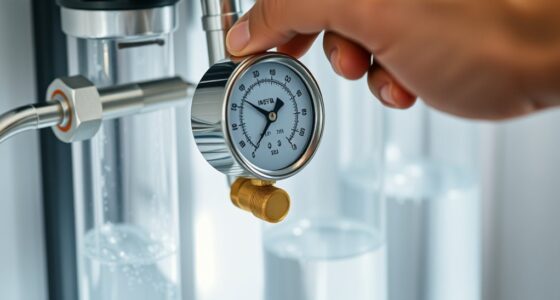
Start by evaluating your current water quality. Many homes have their water tested by certified labs to identify contaminants like lead, chlorine, bacteria, or other pollutants. Knowing exactly what’s in your water prevents you from overcommitting to expensive filtration systems that may be unnecessary. For example, if your water is free from harmful bacteria or heavy metals, installing a high-end system might be overkill. Instead, a basic point-of-use filter could suffice, saving you money and effort. Incorporating water testing results into your decision-making process ensures a more targeted and effective upgrade.
Test your water first to avoid unnecessary, costly filtration upgrades.
Once you understand your water’s composition, you can explore water filtration options tailored to your specific needs. These range from simple pitcher filters to under-sink systems and whole-house units. Each has different capabilities and costs, so it’s essential to match a system’s features with your water quality concerns. Keep in mind that some claims about advanced filtration can be exaggerated; not every system delivers the benefits advertised. Carefully review independent testing results and certifications from reputable organizations to verify performance. Additionally, understanding the water quality in your area can help you choose the most effective filtration method. Conducting a water quality test can provide valuable insights, ensuring you select the right system for your household. Taking the time to research filtration technologies can also help you avoid falling for marketing gimmicks and focus on proven solutions.
Finally, conduct a thorough cost analysis. Consider not only the initial purchase price but also ongoing expenses like replacement filters, maintenance, and energy consumption. For instance, some high-end filtration systems require frequent filter changes that can quickly add up. Comparing these costs over the lifespan of the system helps you determine which option is most economical and practical. Remember, the cheapest solution upfront isn’t always the most cost-effective in the long run if maintenance costs are high or if the system doesn’t meet your needs.
As an affiliate, we earn on qualifying purchases.
Frequently Asked Questions
How Can I Identify Credible Water Upgrade Providers?
To identify credible water upgrade providers, start by checking their focus on water quality and whether they meet recognized certification standards. Look for providers with transparent credentials, positive customer reviews, and clear explanations of their products’ benefits. Ask about their testing processes and guarantees. A trustworthy provider prioritizes your water’s safety and quality, rather than just selling hype, ensuring you get genuine improvements backed by credible standards.
What Are Common Signs of Exaggerated Water Improvement Claims?
You should watch for exaggerated claims about water purity that sound too good to be true. Promises of instant, dramatic improvements often rely on unproven filtration technology. Be skeptical if providers boast of revolutionary results without explaining the scientific basis. Genuine upgrades focus on realistic, measurable benefits. If claims feel overly sensational or lack transparency about the technology, it’s a clear sign they might be hyping water improvements rather than delivering real results.
Are There Any Government Rebates for Water Upgrade Investments?
Yes, there are government rebates available for water upgrade investments. These incentives often aim to improve water quality and encourage efficient water use. You should check with local or federal utility incentives programs, as they frequently offer rebates or discounts for installing water-saving devices or upgrading plumbing systems. Taking advantage of these programs can help reduce costs while ensuring your water quality meets safety standards.
How Long Do Water Upgrade Systems Typically Last?
Water upgrade systems, like water filtration units, typically last between 5 to 10 years, depending on usage and maintenance. Regularly replacing filters and servicing components can extend system longevity. Quality systems with durable parts tend to last longer, ensuring you get the most out of your investment. Keep an eye on manufacturer’s guidelines and schedule routine checks to maintain peak performance and maximize your water upgrade’s lifespan.
What Maintenance Is Required for Different Water Systems?
You might be surprised to learn that proper water filtration and plumbing maintenance are key to keeping your system running smoothly. For water filters, change cartridges every 6 to 12 months; for softeners, check salt levels regularly. Regular inspections of pipes and fittings prevent leaks and corrosion. Staying on top of these maintenance tasks guarantees your water system stays efficient, safe, and long-lasting, saving you money and hassle down the road.
As an affiliate, we earn on qualifying purchases.
Conclusion
Think of your water upgrades as a ship steering stormy seas. Without a clear map, you might chase false signals or fall for flashy mirages. By focusing on your true needs and cutting through the hype, you steer confidently toward the safe harbor of smart choices. Remember, not every shining lighthouse guides you home—sometimes, the quiet, steady lighthouse of necessity is what truly keeps you afloat. Stay vigilant, and your water system will sail smoothly.
whole house water filtration system
As an affiliate, we earn on qualifying purchases.
As an affiliate, we earn on qualifying purchases.
lead and heavy metal water filter
As an affiliate, we earn on qualifying purchases.
As an affiliate, we earn on qualifying purchases.
Fall Picks
fall essentials
As an affiliate, we earn on qualifying purchases.