
If you handle or label sample bottles improperly, it can directly ruin test accuracy. Mishandling during collection, contamination from foreign substances, or unclear labels increase the risk of false results. Even small mistakes like mislabeling or improper sealing can lead to incorrect diagnoses or flawed research data. Paying close attention to proper storage, sterile techniques, and systematic labeling helps protect test integrity. Keep going to discover key tips that prevent these common errors.

Get home appliances delivered free with Prime
- Fast, free delivery on millions of items
- Prime Video, Amazon Music and more included
- Member-only deals all year
Key Takeaways
- Improper handling or contamination of sample bottles can compromise test accuracy and produce false results.
- Mislabeled bottles increase the risk of sample mix-up, leading to unreliable test outcomes.
- Using unsterile containers or failing to seal samples tightly allows environmental contamination.
- Incorrect storage conditions or transport mishaps can degrade sample integrity.
- Small errors in labeling, handling, or storage can cause significant inaccuracies in test results.
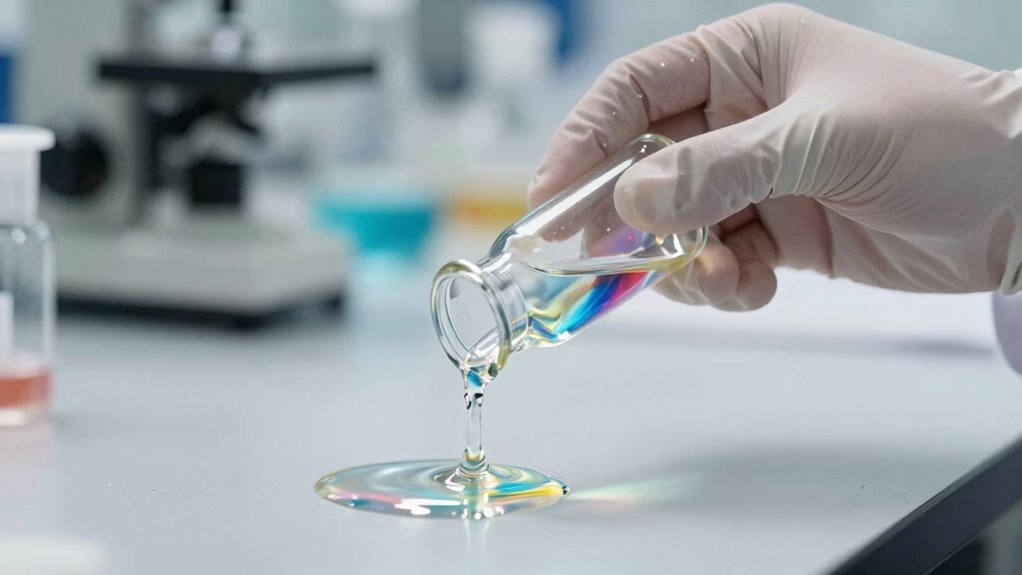
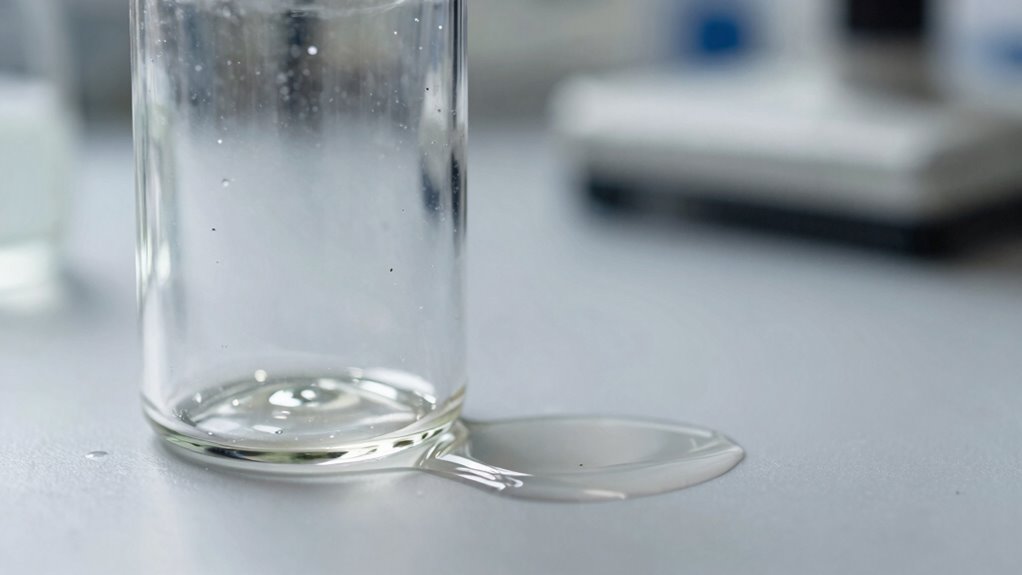
A simple mistake involving sample bottles has recently compromised the accuracy of critical tests, potentially leading to misleading results. It might seem like a minor issue, but improper handling of samples can have serious consequences. One of the most common problems is sample contamination, which occurs when foreign substances or microorganisms enter the sample, skewing test outcomes. Contaminated samples can produce false positives or negatives, making it difficult to trust the data and potentially leading to wrong diagnoses or misguided research conclusions.
Another essential factor is bottle labeling. If labels are incorrect, unclear, or missing, you risk mixing up samples or misidentifying them altogether. Mislabeling can happen easily in busy labs or during hurried sample collection, and once a sample is mislabeled, the entire testing process becomes unreliable. You might think you’re analyzing the right specimen, but in reality, you’re working with the wrong one. This mistake can lead to incorrect treatment plans or flawed research data, wasting time and resources. Implementing stringent quality controls can help catch labeling errors early and improve overall accuracy.
To prevent sample contamination, you need to follow strict protocols. Always use sterile containers and tools, and make sure samples are sealed tightly to avoid exposure to environmental contaminants. When handling samples, wear gloves and work in designated clean areas to minimize the risk of introducing foreign particles or microorganisms. Proper storage is equally important; keep samples at the recommended temperatures and avoid unnecessary exposure to air or light. These small steps greatly reduce the chances of contamination and help preserve the integrity of your samples. Additionally, implementing quality control measures can further enhance the accuracy and reliability of your testing process.
Likewise, meticulous attention to bottle labeling is essential. Before collecting a sample, double-check that labels are accurate and legible. Use waterproof markers or printed labels to prevent smudging or fading. Confirm that the label includes all necessary information—such as date, time, sample type, and patient or subject ID. When you transport samples, handle them carefully to prevent labels from peeling off or becoming misaligned. Implementing a systematic labeling process ensures that each sample remains correctly identified throughout the testing process, reducing errors. Proper documentation and sample tracking are also crucial in maintaining clear records and traceability.
Ultimately, the key to maintaining test accuracy lies in your discipline and attention to detail. By preventing sample contamination and ensuring precise bottle labeling, you safeguard the reliability of your results. Small oversights can cascade into major errors, but with careful handling and thorough labeling practices, you can minimize these risks. Remember, the integrity of your samples directly impacts the quality of your testing and the decisions that follow. Taking these precautions isn’t just good practice; it’s vital for accurate, trustworthy results.
As an affiliate, we earn on qualifying purchases.
Frequently Asked Questions
How Do Sample-Bottle Mistakes Impact Long-Term Test Results?
Sample-bottle mistakes compromise long-term test results by risking sample integrity. When contamination prevention isn’t maintained, you may introduce errors or inconsistent data over time. These mistakes can cause degradation of sample quality or cross-contamination, which skew results in the long run. To guarantee accurate, reliable testing, you must handle samples carefully, use proper containers, and adhere strictly to contamination prevention protocols, safeguarding the validity of your results.
Are There Specific Bottle Types That Increase Contamination Risks?
Yes, certain bottle materials, like plastic, may increase contamination risks if not properly sterilized, as they can harbor bacteria in scratches or porous surfaces. Glass bottles are generally safer since they withstand rigorous sterilization methods like autoclaving. To minimize contamination, always choose bottles compatible with your sterilization process, guarantee thorough cleaning, and regularly inspect them for damage that could harbor microbes. Proper selection helps maintain test accuracy over time.
What Training Is Recommended to Prevent Sample-Bottle Errors?
To prevent sample-bottle errors, you should undergo training focused on proper sampling protocols and bottle handling techniques. Learn how to correctly fill, seal, and label bottles to avoid contamination. Practice maintaining a clean environment and using sterile tools. Regularly review procedures and stay updated on best practices. This training helps guarantee sample integrity, reduces errors, and improves test accuracy, ultimately safeguarding your results and the reliability of your testing process.
Can Contamination From Bottles Be Completely Eliminated?
Contamination from bottles can’t be completely eliminated, but you can minimize it considerably. Choose bottle materials like glass or high-quality plastics that resist chemical reactions and bacteria growth. Implement strict contamination prevention protocols, such as thorough cleaning and sterilization between uses. Regularly inspect bottles for damage or residue, and train staff on proper handling procedures. These steps help reduce contamination risks, ensuring more accurate test results.
How Often Should Sample Bottles Be Replaced for Accuracy?
You should replace sample bottles regularly to maintain accuracy, especially if you notice contamination or degradation. Use bottles made from appropriate materials like glass or high-quality plastic that resist chemical reactions. Always guarantee proper sample labeling to prevent mix-ups. Regular replacement, combined with correct labeling and choosing suitable bottle materials, minimizes contamination risks, ensuring your test results stay reliable and accurate over time.
As an affiliate, we earn on qualifying purchases.
Conclusion
Think of your test as a delicate garden, where each sample is a seed that needs careful nurturing. When a sample-bottle mistake happens, it’s like watering the wrong patch—your results become wildflowers in a barren field, unpredictable and misleading. To keep your garden thriving, you must tend each seed with precision and care. Only then can your test bloom true, revealing the honest truth beneath the surface. Guard your process, and let accuracy flourish.
As an affiliate, we earn on qualifying purchases.
As an affiliate, we earn on qualifying purchases.
Fall yard work Picks
leaf blowers
As an affiliate, we earn on qualifying purchases.