Low water pressure often signals your system is undersized and can’t meet your household needs. If you notice weak flow from fixtures, pressure drops during peak times, or uneven flow between outlets, your pipe diameter or pump may be too small. Narrow pipes increase resistance, and an undersized pump can’t generate enough pressure. Continuing to use an undersized system can cause ongoing issues. To uncover more about how these signs connect, keep exploring the details below.
Key Takeaways
- Persistent low water flow despite multiple fixtures suggests the system can’t meet demand.
- Discrepancies in pressure between fixtures indicate inadequate system capacity or pipe sizing.
- Frequent pump cycling or sluggish flow during peak times signals an undersized pump or pipes.
- Narrow pipe diameters increase resistance, causing low pressure even with proper pump sizing.
- System inefficiencies and discoloration may point to undersized components unable to maintain adequate pressure.

Have you ever experienced weak water flow from your small system? If so, it’s a clear sign that something isn’t quite right. Many times, low water pressure is linked to an undersized system that struggles to meet your household’s demands. When your system isn’t properly designed, it can cause persistent issues that only get worse over time. One of the key factors to consider is pump sizing. If your pump isn’t powerful enough for your needs, it can’t generate the necessary pressure to push water effectively through the pipes. This results in sluggish flow, especially during peak usage times. An undersized pump simply can’t overcome the resistance created by long pipe runs or higher demand, leading to the low pressure you’re experiencing.
Another critical element is pipe diameter. If your pipes are too narrow, they increase resistance and reduce flow rate, making the water pressure feel weak even if your pump is adequate. Narrow pipes create a bottleneck, forcing your system to work harder just to deliver the same amount of water. This not only diminishes pressure but can also cause your pump to run more frequently, wearing out faster and increasing energy costs. When pipe diameter isn’t matched to your system’s requirements, it hampers overall performance and leads to the low water pressure problems you’re facing.
If you notice that your water pressure drops during high-demand periods or that certain fixtures have weaker flow, it’s often a sign that your system’s components aren’t properly sized. Proper pump sizing ensures your system has enough power to deliver consistent pressure, while the right pipe diameter minimizes resistance and maintains flow efficiency. Additionally, the presence of discoloration or separation in your water can be an indicator that your system is not functioning optimally. Remember, an undersized pump or pipes that are too narrow can’t compensate for increased demand or longer pipe runs, making your water pressure unreliable.
Addressing these issues starts with understanding your household’s water needs and consulting with a professional. They can evaluate your existing pump size and pipe diameters and recommend upgrades if necessary. Sometimes, simply increasing pipe diameter or installing a more suitable pump can restore adequate pressure and improve your overall water system performance. Don’t ignore persistent low pressure; it’s often a warning sign that your small system is undersized and needs adjustment. By ensuring proper pump sizing and appropriate pipe diameter, you’ll enjoy a more reliable, steady water flow and avoid ongoing frustrations caused by inadequate pressure.
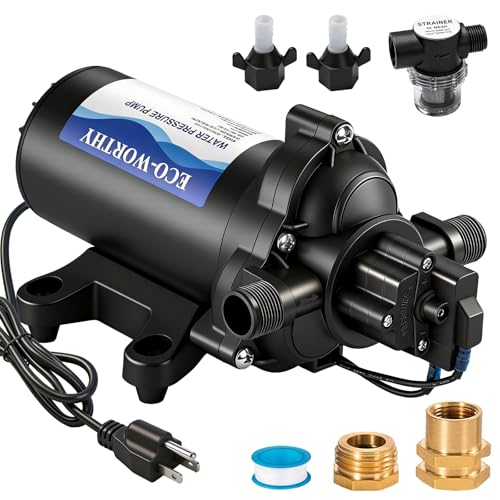
ECO-WORTHY 33-Series Industrial Water Pressure Pump 110V AC 4.0GPM 50PSI RV Fresh Water Diaphragm Pump include Garden Hose Adapters for Irrigation Marine Boat Sprinkler Faucet
- Flow Rate: 4.0 GPM at 50 PSI
- Power Supply: 110V AC, no marine battery needed
- Smart Pressure Switch: Adjustable 45-70 PSI, automatic on/off
As an affiliate, we earn on qualifying purchases.
As an affiliate, we earn on qualifying purchases.
Frequently Asked Questions
Can Small Systems Be Upgraded to Increase Water Pressure?
Yes, you can upgrade small systems to increase water pressure. First, assess your current system capacity to determine if it can handle a larger pump or additional pressure regulation components. Installing a booster pump or upgrading your pressure regulation device helps boost water pressure effectively. These improvements guarantee your system meets your household needs, providing better flow without overloading the existing infrastructure.
How Does Pipe Material Affect Water Pressure in Small Systems?
Pipe material greatly affects water pressure in small systems, as corrosion can cause blockages and increase pressure loss over time. For example, galvanized pipes are prone to rust, reducing water flow and pressure. Conversely, copper or PEX pipes resist corrosion better, maintaining consistent pressure. Upgrading to these materials can improve water pressure, especially if your current pipes are corroded or outdated, ensuring a more reliable supply.
Are Low Water Pressure Issues Temporary or Permanent?
If you notice low water pressure, it can be a temporary problem or a sign of a permanent issue. For example, a clogged pipe may cause short-term pressure drops, but replacing the pipe offers a permanent solution. Usually, temporary issues like sediment buildup clear up easily, while persistent pressure problems require lasting fixes. You should evaluate the cause to determine whether it’s a quick fix or if permanent repairs are needed.
What Are the Signs of an Undersized Plumbing System?
You notice weak water flow from your fixtures, which signals an undersized plumbing system. Poor water pressure, inconsistent flow, and slow filling toilets point to inadequate pipe sizing. If your pipes are too narrow for your household’s needs, you’ll experience these issues often. Regularly check your water pressure, and consider upgrading pipe sizing to guarantee consistent flow and prevent future problems caused by an undersized system.
How Often Should I Inspect My Small Water System for Issues?
You should perform regular water system maintenance and follow an inspection schedule at least once every six months. During inspections, check for signs of low pressure, leaks, or unusual noises, which can indicate issues like an undersized system. Staying proactive helps you catch problems early, ensuring your small water system functions efficiently and avoids costly repairs. Consistent inspections keep your system reliable and extend its lifespan.

SDSNTE Steel Conduit Carrier Kit, Fits 6 Inch Pipe, Grey
- Efficient Storage Solution: Modify 6-inch diameter pipe with…
- 6 Inch PVC Pipe: Fits 6 Inch diameter PVC…
- Enhanced Security Features: Compared with other carriers, the…
As an affiliate, we earn on qualifying purchases.
As an affiliate, we earn on qualifying purchases.
Conclusion
If your water pressure feels like a weak stream, it’s a clear sign your system might be too small for your needs. Think of it as a garden hose trying to water a rainforest—no matter how much you turn the tap, the flow just can’t keep up. Upgrading your system guarantees you get the steady, strong flow you deserve, turning your water pressure from a drip into a powerful cascade. Don’t let an undersized system hold you back—upgrade today!

Aquastrong Whole House Water Pressure Booster Pump 80 PSI, 115V Automatic Variable Speed, Constant Pressure, Integrated Design, Self-Priming, for Home, Apartment, Shower, Garden, Shallow Well,Smart 45
- Adjustable Pressure and Speed: Automatically maintains constant water pressure
- All-in-One Robust Design: Durable stainless steel components for longevity
- High Efficiency and Low Noise: Operates quietly with energy-saving technology
As an affiliate, we earn on qualifying purchases.
As an affiliate, we earn on qualifying purchases.
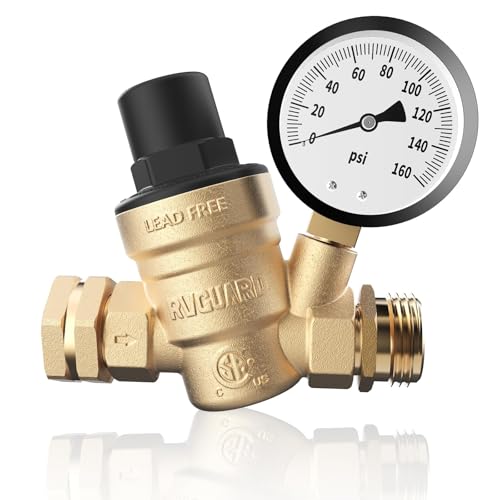
RVGUARD RV Water Pressure Regulator Valve, CSA Approved, Lead-Free Brass
- Prevents Water Pipe Damage: Protects RV plumbing from high pressure
- CSA Approved & Lead-Free: Meets safety standards with low lead brass
- Universal Compatibility: Fits 3/4" garden hoses for easy use
As an affiliate, we earn on qualifying purchases.
As an affiliate, we earn on qualifying purchases.