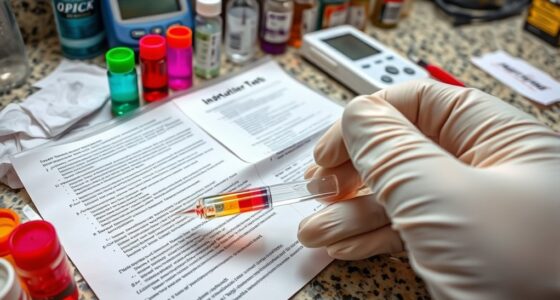

At-home iron testing kits work by requiring a small blood sample, usually from a finger prick, which you collect and process carefully following instructions. They measure iron levels like serum iron and transferrin saturation to give you a snapshot of your iron status, but may not be as precise as lab tests. Proper preparation, including fasting and avoiding supplements, is key, and results generally arrive within a few days. Continue exploring to learn how to maximize their safety and accuracy.

Get home appliances delivered free with Prime
- Fast, free delivery on millions of items
- Prime Video, Amazon Music and more included
- Member-only deals all year
Key Takeaways
- At-home iron tests typically use finger-prick blood samples analyzed via test strips or devices.
- Prepare by fasting 8-12 hours, avoiding iron supplements, caffeine, and alcohol before testing.
- Results usually take 24-72 hours and should be interpreted with guidance from healthcare professionals.
- These tests measure serum iron, transferrin saturation, and ferritin but are less precise than lab tests.
- Purchase from reputable sources, follow instructions carefully, and consult a doctor for abnormal or concerning results.
As an affiliate, we earn on qualifying purchases.
How Do At-Home Iron Testing Kits Work?
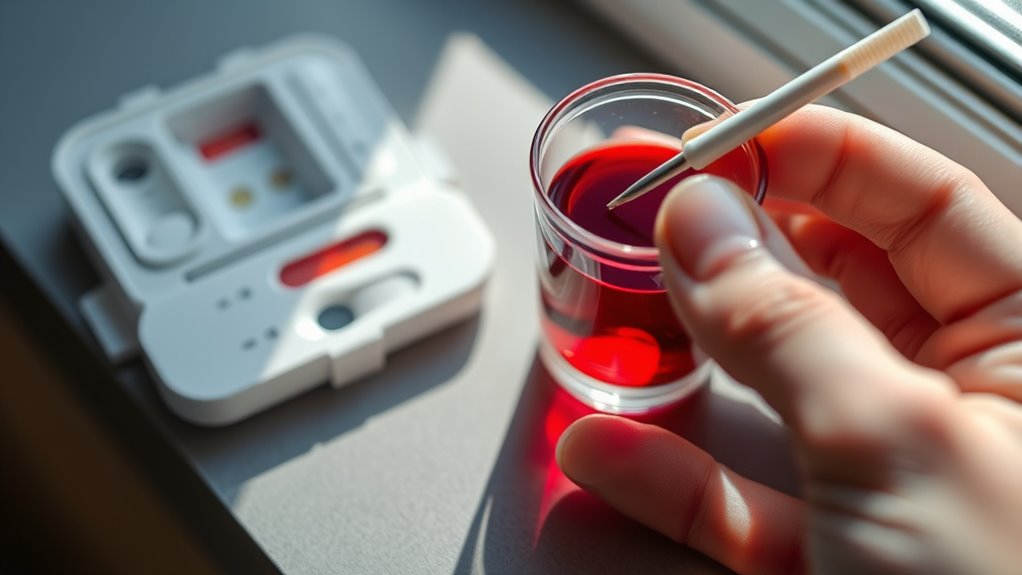
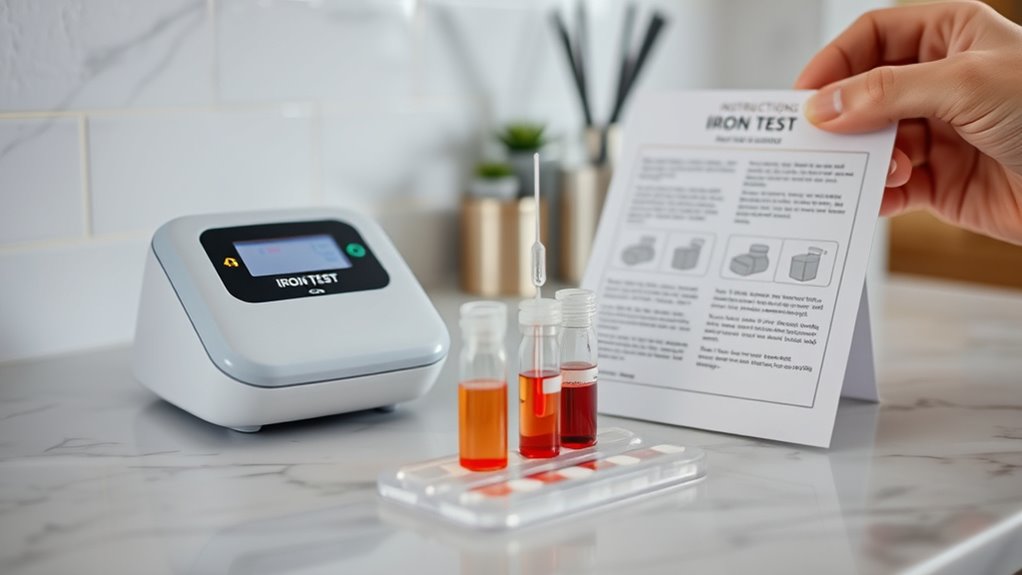
At-home iron testing kits allow you to check your iron levels quickly and conveniently without visiting a healthcare provider. These kits typically require you to provide a small blood sample, often through a finger prick. Once you collect your blood, you’ll follow the kit’s instructions to process the sample, which may involve placing it on a testing strip or into a special container. The test measures your iron absorption levels by analyzing the blood sample for specific markers, such as serum ferritin or transferrin saturation. This process helps you monitor your iron status between doctor visits, giving you quick insights into whether your iron levels are within a healthy range. Proper collection and handling are essential for accurate results, and understanding inspirational quotes about fatherhood can help foster a supportive environment for health awareness and encouragement.
finger prick blood test for iron
As an affiliate, we earn on qualifying purchases.
As an affiliate, we earn on qualifying purchases.
Are At-Home Iron Tests Accurate Compared to Lab Tests?

At-home iron tests can be convenient, but you might wonder how their accuracy compares to lab standards. It’s important to contemplate test precision and reliability to get meaningful results. Proper maintenance of the testing device and following the manufacturer’s instructions are crucial for obtaining accurate measurements, similar to the importance of regular filter checks in air purifiers.
Test Precision and Reliability
How accurate are these iron tests compared to laboratory analyses? At-home iron tests generally provide a reasonable indication of your iron status, but they may not match the precision of a professional blood analysis. While some kits are designed to detect iron deficiency, factors like sample collection and test sensitivity can influence reliability. Lab tests typically use advanced equipment and standardized procedures, ensuring higher accuracy and consistency. At-home tests are convenient and useful for screening, but they might not catch subtle fluctuations or complex issues affecting your iron levels. If your results suggest an iron deficiency, it’s always best to follow up with a healthcare professional for exhaustive blood analysis. This ensures you get the most accurate assessment of your iron status and health. Additionally, understanding the contrast ratio of a device can help you better interpret the results when evaluating images and displays.
Laboratory Standards Comparison
Laboratory standards set the benchmark for accurate iron testing, often surpassing the precision of at-home kits. These standards guarantee testing accuracy through rigorous validation and quality control, making lab results more reliable. When comparing at-home tests to lab standards, consider the following:
- Labs follow strict protocols that minimize human error.
- Equipment is regularly calibrated for precise measurements.
- Results undergo thorough validation processes.
- Professional oversight guarantees consistency and accuracy.
- Bedroom environments can influence test results if proper protocols are not followed, emphasizing the importance of standardized procedures in labs.
While at-home tests are convenient and improve accessibility, they may not always meet the same level of testing accuracy as lab standards. This difference highlights why lab results remain the gold standard for diagnosing and monitoring iron levels, especially in complex cases.
As an affiliate, we earn on qualifying purchases.
What Types of Iron Levels Can These Kits Measure?
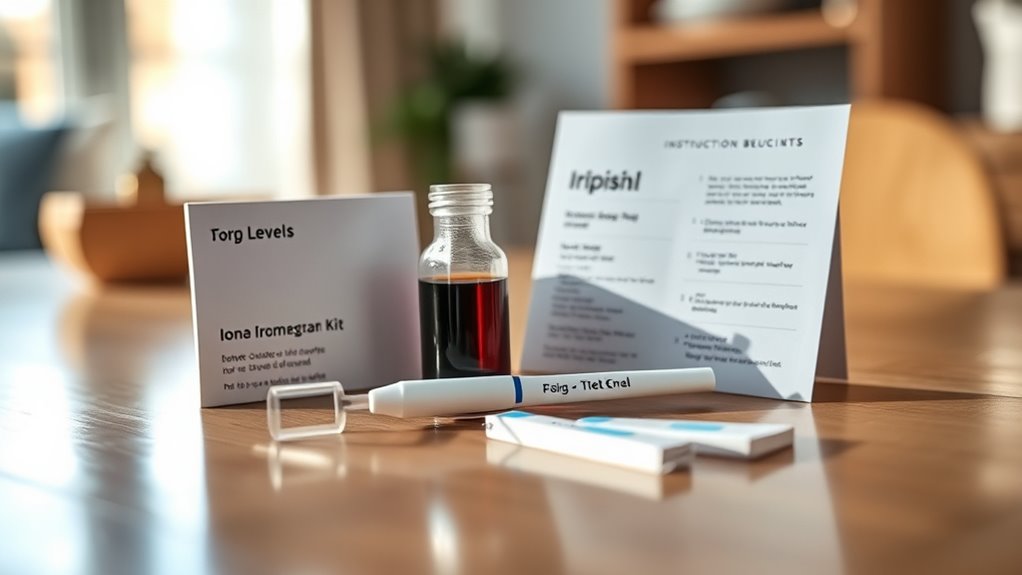
At-home iron test kits can measure your serum iron levels, giving insight into how much iron is circulating in your blood. They may also assess your total iron binding capacity, which shows how well your blood can transport iron. Understanding these measurements helps you and your healthcare provider evaluate iron status accurately. Additionally, some kits might provide information related to iron deficiency or overload, aiding in early detection and management.
Serum Iron Levels
Ever wonder what types of iron levels these at-home kits can measure? Serum iron levels primarily indicate how much iron is circulating in your blood at a given moment. These tests can help you identify if you have iron deficiency or iron overload. With at-home kits, you can expect to measure:
- Current circulating iron levels
- Iron status related to anemia
- Potential signs of iron deficiency
- Early detection of iron overload
While serum iron tests provide valuable insights, they don’t give a complete picture of your iron health. They’re useful for initial screenings and monitoring iron levels over time. If your levels are abnormal, your healthcare provider may recommend further testing to determine underlying causes. Remember, maintaining balanced iron levels is essential for overall health.
Total Iron Binding Capacity
Have you wondered what total iron binding capacity (TIBC) tests reveal about your iron status? TIBC measures how well your blood can transport iron by evaluating your blood’s capacity to bind iron with transferrin. High TIBC levels often indicate iron deficiency because your body produces more transferrin to capture available iron. Conversely, low TIBC can suggest iron overload, where excess iron suppresses transferrin production. These tests help distinguish between different causes of abnormal iron levels, guiding treatment decisions. While TIBC alone doesn’t diagnose iron deficiency or overload, combined with serum iron tests, it offers a clearer picture of your iron balance. By understanding your TIBC, you can better gauge whether you need to boost iron intake or address potential iron overload issues. Additionally, AI-driven diagnostics are increasingly used to interpret complex iron panel results more accurately.
As an affiliate, we earn on qualifying purchases.
How Do I Prepare for an At-Home Iron Test?

Preparing for an iron test at home is straightforward if you follow the instructions carefully. To get accurate results, consider your iron deficiency status and dietary considerations beforehand. Make sure to:
- Avoid taking iron supplements for at least 24 hours before the test unless advised otherwise.
- Fast for 8-12 hours if your test requires fasting, usually overnight.
- Maintain a consistent diet, avoiding iron-rich foods immediately before testing.
- Stay hydrated but avoid alcohol and caffeine on the day of the test.
- Being aware of pregnancy-related factors can help interpret your results accurately, especially since iron needs may vary during pregnancy.
These steps help ensure your test reflects your true iron levels. Preparing properly minimizes inaccuracies caused by recent dietary changes or supplements, giving you a clear picture of your iron status.
How Long Does It Take to Get Results From a Home Testing Kit?
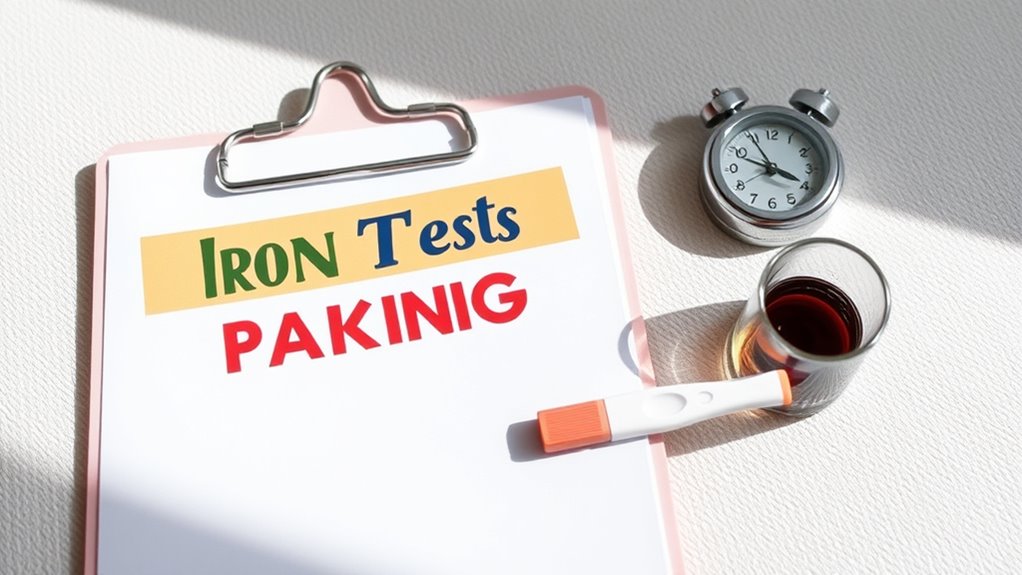
Typically, you can expect to receive your iron test results within a few days after completing the at-home testing process. If you’re concerned about iron deficiency or recently donated blood, quick results can help you take timely action. Most home testing kits analyze your sample and send the results directly to you via email or an app. The turnaround time depends on the provider but generally ranges from 24 to 72 hours. If you’ve recently made a blood donation, your iron levels may be temporarily lower, and prompt results can help you determine if you need to adjust your diet or consult a healthcare professional. Additionally, understanding home testing accuracy is important to ensure reliable results. Overall, at-home kits are designed to give you fast, convenient insights into your iron status.
What Should I Do if My Results Indicate Iron Deficiency?
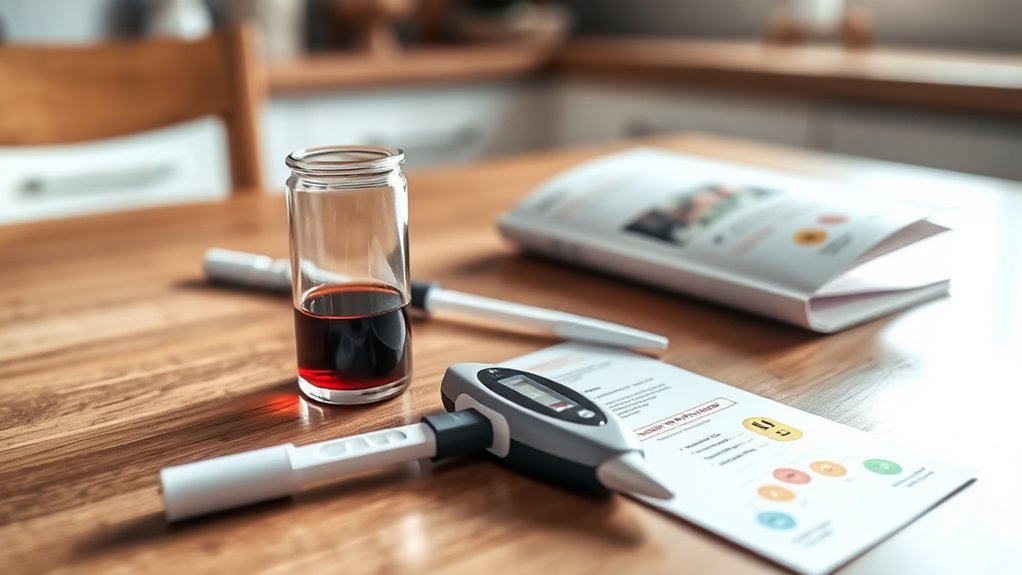
If your home test results show iron deficiency, it’s important to take prompt steps to address the issue. First, consult your healthcare provider for personalized advice. You can also consider these actions:
- Diet adjustments: Incorporate iron-rich foods like red meat, spinach, and beans into your meals.
- Supplement options: Take iron supplements as recommended by your doctor to boost your levels.
- Enhance absorption: Pair iron-rich foods with vitamin C sources like citrus fruits to improve absorption.
- Monitor progress: Keep track of your symptoms and retake tests as advised to ensure your levels improve.
- Use modern toilets with dual-flush systems to conserve water during household routines, which can help reduce overall water usage.
While making these changes, avoid self-medicating without professional guidance to prevent overdose or side effects. Addressing iron deficiency promptly can restore your energy and overall health.
Are There Any Risks or Limitations Associated With At-Home Iron Testing?

While at-home iron testing offers convenience, it also comes with certain risks and limitations you should be aware of. One key concern is test accuracy; improper sample collection or device malfunctions can lead to unreliable results, potentially causing false reassurance or unnecessary worry. Additionally, user safety is important—if you mishandle lancets or test strips, you could risk injury or infection. At-home tests may not be as precise as laboratory analyses, especially if instructions aren’t followed carefully. It’s essential to understand these limitations so you interpret your results appropriately. Remember, at-home testing is a useful screening tool but shouldn’t replace professional medical advice, especially if your results indicate an imbalance. Always consult your healthcare provider to confirm findings and determine the best course of action. Understanding test accuracy is crucial to making informed health decisions.
How Often Should I Use an At-Home Iron Testing Kit?
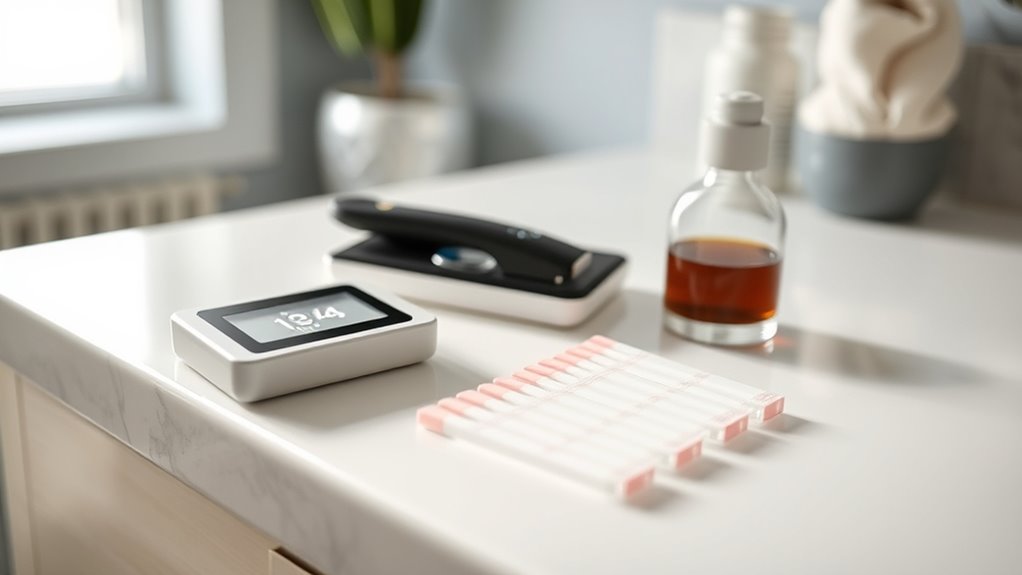
How often you should use an at-home iron testing kit depends on your individual health needs and your healthcare provider’s recommendations. If you’re prone to iron deficiency, or if you’re adjusting supplement advice, regular testing can help monitor your levels. Typically, you might test:
- Monthly if you’re managing iron deficiency or on supplements
- Every 3-6 months for ongoing health monitoring
- After changes in diet or supplement routines
- When experiencing symptoms like fatigue or weakness
Frequent testing guarantees you stay within ideal iron levels and prevents deficiency or overload. Always follow your healthcare provider’s guidance on testing frequency. This tailored approach helps you maintain balanced iron levels and supports your overall health.
Can These Tests Be Used by Everyone, Including Children and Pregnant Women?
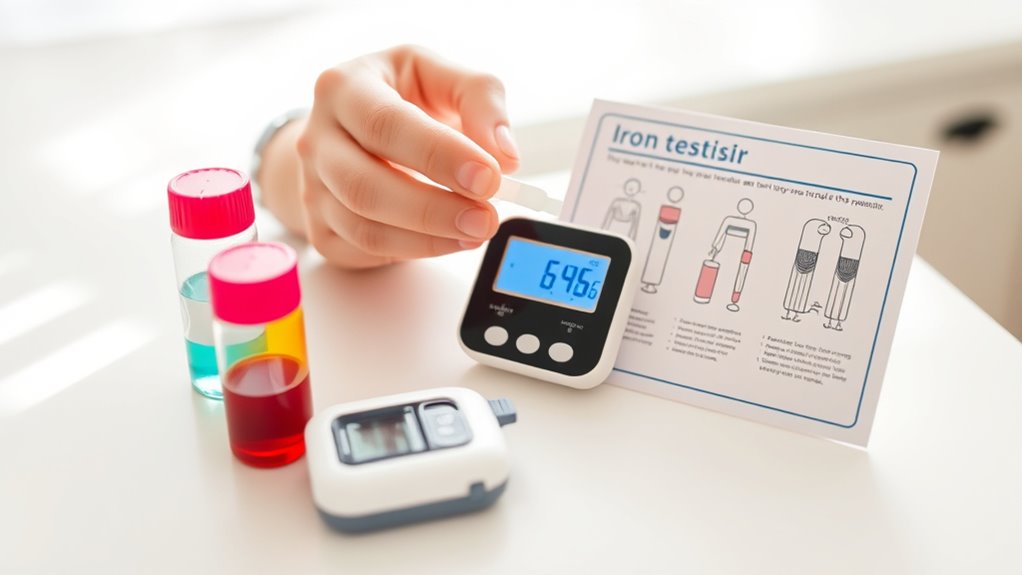
You might wonder if at-home iron tests are safe for everyone, including children and pregnant women. It’s important to remember that safety varies, so consulting your healthcare provider before use is vital. They can guide you on whether these tests are appropriate for your specific situation.
Safety for All Ages
Iron tests designed for home use are generally safe for most adults, but when it comes to children and pregnant women, caution is essential. These tests can help identify iron deficiency and monitor blood health, but safety considerations are vital. Always follow instructions carefully, especially for young children and expectant mothers.
Be aware that:
- Children may require age-specific testing methods.
- Pregnant women should consult healthcare providers before use.
- Some tests may have limitations in detecting certain blood health issues.
- Proper handling and disposal are crucial to avoid accidental injury or contamination.
While these tests are convenient, they aren’t a substitute for professional medical advice, especially if you’re concerned about iron deficiency or other blood health issues in children or during pregnancy.
Consult Healthcare Providers
While at-home iron tests offer convenience, it’s essential to consult healthcare providers before relying on them, especially for children and pregnant women. These tests can indicate iron deficiency but shouldn’t replace professional advice. Children and pregnant women have unique nutritional needs, and supplement guidance varies based on individual health. A healthcare provider can interpret test results accurately and recommend appropriate actions. Use the table below to understand key considerations:
| Population | Important Factors |
|---|---|
| Children | Accurate diagnosis, safe supplement use |
| Pregnant Women | Iron needs increase, risk of deficiency |
| General Adults | Confirmatory testing, personalized advice |
| Anyone with Symptoms | Medical evaluation needed |
Where Can I Purchase Reliable At-Home Iron Testing Kits?
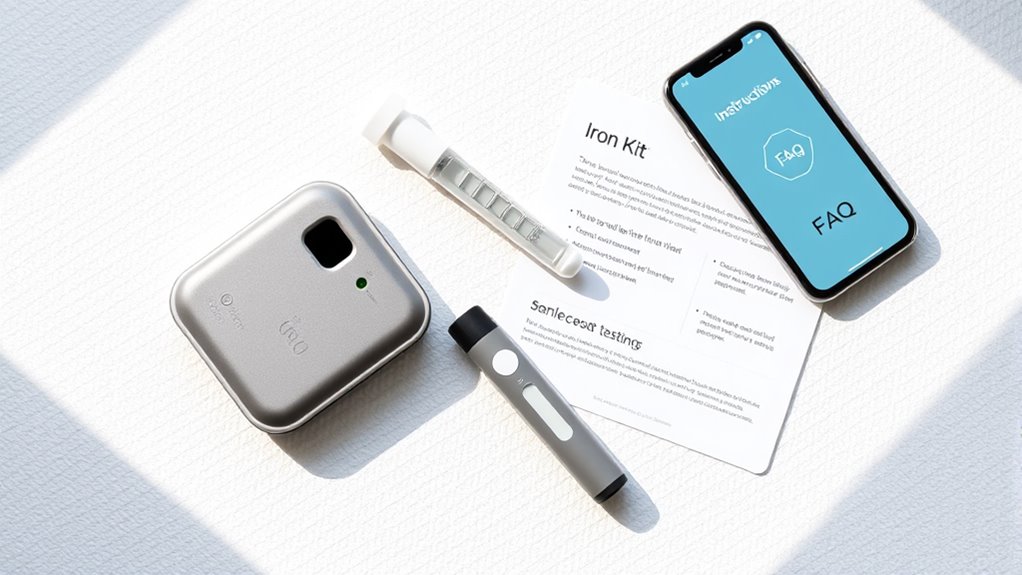
Where can you find trustworthy at-home iron testing kits? You want reliable options to detect iron deficiency and guide your supplement advice. Look for reputable sources to guarantee accuracy. You can purchase kits from:
- Major online retailers like Amazon or Walmart
- Pharmacy chains such as CVS or Walgreens
- Specialized health stores with certified testing products
- Directly from reputable brands’ websites
Always check reviews and verify the product’s credibility before buying. Many kits are designed for easy use at home and provide quick results. Choosing high-quality kits helps you monitor iron levels accurately, making it easier to decide if you need supplements. Remember, while at-home testing is convenient, consult healthcare providers for proper interpretation and advice on managing iron deficiency.
Frequently Asked Questions
Are At-Home Iron Tests Covered by Insurance Plans?
At-home iron tests may be covered by your insurance plans, but coverage varies. You should check with your insurer to understand their policies on at-home testing and any cost considerations. Some plans might cover the test if it’s medically necessary, while others may not. Be sure to verify insurance coverage beforehand to avoid unexpected expenses and to determine if you need prior authorization or documentation.
What Is the Shelf Life of At-Home Iron Testing Kits?
Think of at-home iron testing kits like a carton of milk—they have a limited shelf life. Typically, these kits stay effective for about 12 to 24 months, depending on the manufacturer. You should check the expiration periods printed on the box or instructions. Proper storage, away from heat and moisture, helps maintain their accuracy. Always use the kit before the expiration date for reliable results.
Can At-Home Tests Detect Iron Overload Conditions?
At-home iron tests can sometimes detect iron overload, but their testing accuracy varies. These tests are designed to measure your iron levels, helping identify potential issues, including overload conditions. However, for precise diagnosis, it’s best to consult with a healthcare professional, especially if you suspect iron overload, as at-home tests may not be as extensive or accurate as laboratory tests. Always follow up with your doctor for confirmation.
How Do At-Home Iron Tests Compare to Finger Prick Blood Tests?
At-home iron tests generally offer lower accuracy compared to finger prick blood tests done in clinics. While they’re convenient and easy to use, they might not provide the same precise results, especially for detecting iron deficiency or overload. You should consider convenience factors, but for critical health decisions, consulting a healthcare professional and opting for clinical finger prick tests is usually the safer choice.
Are There Specific Brands Recommended for At-Home Iron Testing?
You can find reputable brand recommendations for at-home iron testing kits, such as EverlyWell and LetsGetChecked, known for their accuracy and ease of use. Kit availability varies, but these brands typically offer convenient online ordering, quick shipping, and thorough instructions. Before choosing, check customer reviews and confirm that the kits measure iron levels accurately, ensuring you get reliable results from your at-home testing experience.
Conclusion
Thinking about trying an at-home iron test? It’s a convenient way to monitor your iron levels without visiting a doctor. Just remember, while these kits are helpful, they shouldn’t replace professional medical advice. Are you ready to take control of your health from the comfort of your home? With the right kit and proper use, you can stay informed and proactive about your iron health whenever you need.
NFL season / tailgating Picks
team gear
As an affiliate, we earn on qualifying purchases.