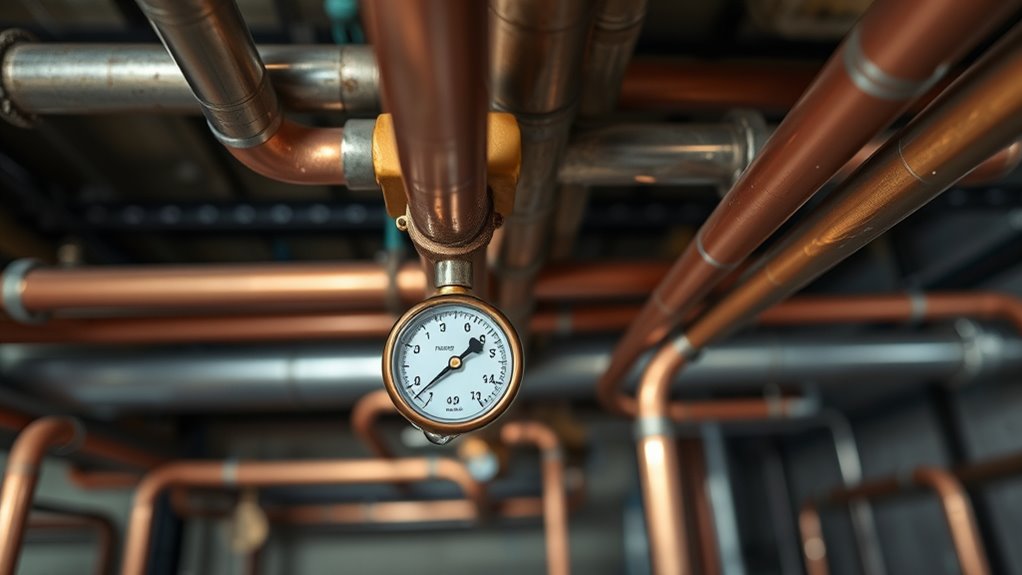
Choosing the wrong pipe size can silently increase your energy bills, cause equipment wear, and reduce overall system efficiency. Oversized pipes may trap sediment, slowing flow, while undersized pipes create excessive friction loss, raising energy consumption. Poor installation and neglected maintenance also add costs over time. By selecting the right pipe diameter and materials, you can prevent these hidden expenses. Discover effective strategies to optimize your system and save money in the long run.

Get home appliances delivered free — and shop member deals
- Fast, free delivery on millions of items
- Access to Prime Big Deal Days deals on October 6–7
- Prime Video, Amazon Music and more included
Key Takeaways
- Oversized pipes can cause sediment buildup, leading to sluggish flow and potential system blockages.
- Undersized pipes increase friction loss, raising energy costs and reducing overall system efficiency.
- Improper installation practices, such as poor fitting and misalignment, can escalate wear and maintenance expenses.
- Neglecting regular maintenance allows friction buildup, which heightens operational costs and shortens equipment lifespan.
- Failing to select appropriate pipe materials and sizes results in higher pressure drops and increased long-term expenses.
As an affiliate, we earn on qualifying purchases.
Understanding the Impact of Pipe Size on System Efficiency

While choosing a pipe size may seem straightforward, it has a significant effect on your system’s efficiency. The pipe diameter directly influences flow velocity, which affects how smoothly fluids move through your system. Using a pipe that’s too narrow increases flow velocity, leading to higher friction loss and energy consumption. Conversely, a pipe that’s too wide decreases flow velocity, potentially causing sluggish flow and sediment buildup. Balancing the pipe diameter ensures ideal flow velocity, reducing pressure drops and minimizing energy costs. Proper sizing helps maintain consistent flow rates and prevents unnecessary wear on pumps and other components. Understanding how refrigeration cycle efficiency impacts overall system performance can help you make more informed decisions. By understanding how pipe size impacts flow velocity, you can make informed decisions that enhance system performance and save money over time.
As an affiliate, we earn on qualifying purchases.
Strategies to Minimize Friction Loss and Reduce Costs

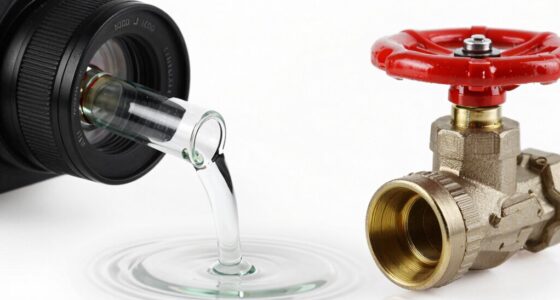
To effectively minimize friction loss and reduce operational costs, you should focus on optimizing pipe design and installation practices. Selecting the right pipe material, like smooth internal surfaces such as PVC or copper, reduces friction. Proper valve selection ensures minimal flow resistance, preventing unnecessary pressure drops. Installing pipes with appropriate diameters and avoiding unnecessary bends also helps maintain flow efficiency. Regular maintenance and cleaning prevent buildup that increases friction. Here’s a quick overview:
| Strategy | Benefit |
|---|---|
| Choose smooth pipe material | Lowers internal friction, boosts flow rates |
| Select appropriate valves | Reduces flow restrictions, saves energy |
| Use correct pipe diameter | Minimizes pressure loss, improves efficiency |
| Proper installation | Prevents leaks and flow disruptions |
| Routine maintenance | Keeps systems clean, reduces friction |
As an affiliate, we earn on qualifying purchases.
Frequently Asked Questions
How Does Pipe Material Affect Friction Loss and Overall Costs?
You should consider that pipe material impacts friction loss and costs considerably. Durable materials like copper or PVC resist corrosion and maintain smooth flow, reducing friction loss over time. Using corrosion-resistant pipes lowers maintenance expenses and extends lifespan, saving you money in the long run. Conversely, less durable materials may cause increased friction, leading to higher energy costs and frequent replacements, ultimately raising your overall project expenses.
Are Larger Pipes Always More Cost-Effective in the Long Run?
Larger pipes aren’t always more cost-effective because increasing pipe diameter raises material and installation costs. If your flow rate is low, a bigger pipe isn’t necessary and can be wasteful. You need to match pipe diameter to your flow rate to optimize costs. When flow demand is high, larger pipes reduce friction loss and save money over time, but for smaller flows, a smaller pipe is more efficient and economical.
What Maintenance Practices Can Reduce Friction-Related Energy Expenses?
Like a vigilant guardian, you can reduce friction-related energy expenses by implementing consistent inspection routines and corrosion prevention measures. Regularly check for buildup or damage that increases flow resistance, and apply protective coatings or inhibitors to prevent corrosion that can roughen pipe surfaces. These practices keep your pipes smooth and efficient, lowering energy costs over time. Staying proactive ensures ideal performance and extends the lifespan of your piping system.
How Does Pipe Age Influence Friction Loss and Hidden Costs?
As your pipes age, corrosion and sediment buildup increase friction loss, making your system less efficient and raising hidden costs. You’ll notice reduced flow and higher energy bills because these issues narrow pipe diameter and roughen surfaces. To avoid this, regularly inspect and clean your pipes, and consider replacing severely corroded sections. Staying proactive helps maintain ideal flow and prevents costly repairs or energy expenses down the line.
Can Innovative Pipe Technologies Minimize Friction Loss More Effectively?
Imagine a river flowing smoothly, unburdened by rocks or debris. Innovative materials and advanced coatings act like those smooth riverbeds, reducing friction loss effectively. These technologies minimize energy waste and maintenance costs, ensuring your system runs efficiently. By choosing pipes with these innovations, you enhance flow, cut hidden expenses, and future-proof your infrastructure, turning what once was a challenge into a streamlined, cost-effective solution that keeps your operations flowing effortlessly.
As an affiliate, we earn on qualifying purchases.
Conclusion
By choosing the right pipe size and minimizing friction loss, you can save your system from a potential catastrophe of energy waste and skyrocketing costs. Don’t let hidden expenses drain your budget like a leak in a dam—be proactive! With careful planning and proper installation, you’ll open peak efficiency and keep your system running smoothly without breaking the bank. Remember, small tweaks today can prevent giant problems tomorrow.
Fall yard work Picks
leaf blowers
As an affiliate, we earn on qualifying purchases.