If your Dyson V15 Detect™ Origin Cordless Vacuum is losing suction, it can hinder your cleaning efforts. This guide walks you through practical, safe steps to identify and fix common issues causing suction loss, ensuring your vacuum performs at its best.
From checking filters to clearing blockages, follow these clear instructions to restore your vacuum’s power and enjoy thorough cleaning again.
Key Takeaways
| Regular Filter Maintenance | Clean or replace filters to maintain suction |
| Check for Blockages | Clear obstructions in wand and cleaner head |
| Inspect the Brush Bar | Remove hair and debris from the brush |
| Examine the Cyclone and Hose | Ensure no clogs are restricting airflow |
| Test Battery and Power Mode | Make sure the vacuum is charged and in the correct power setting |

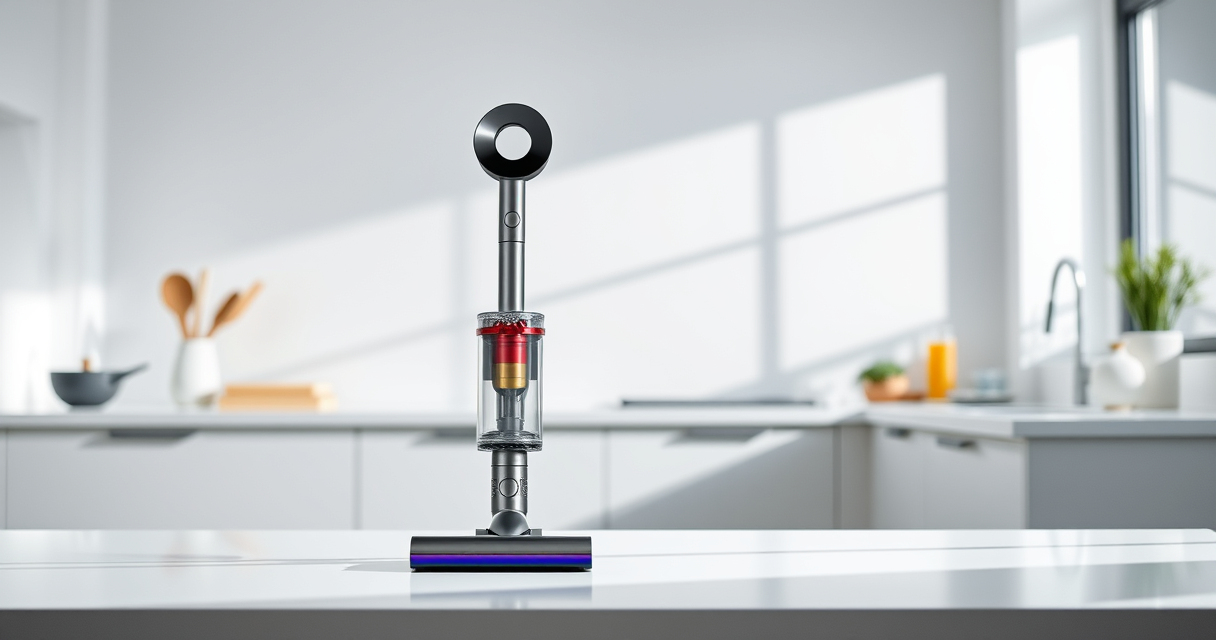
Dyson V15 Detect™ Origin Cordless Vacuum
- Deep cleaning with intelligent detection: Reveals invisible dust for thorough cleaning
- Enhanced power and runtime: 100% more power, 60-minute battery life
- Energy-efficient power trigger: Uses power only when needed
As an affiliate, we earn on qualifying purchases.
Step 1: Turn Off and Unplug Your Vacuum
Before beginning any troubleshooting, ensure your Dyson V15 Detect™ is turned off and unplugged from the charger. This prevents accidental activation or electrical hazards.
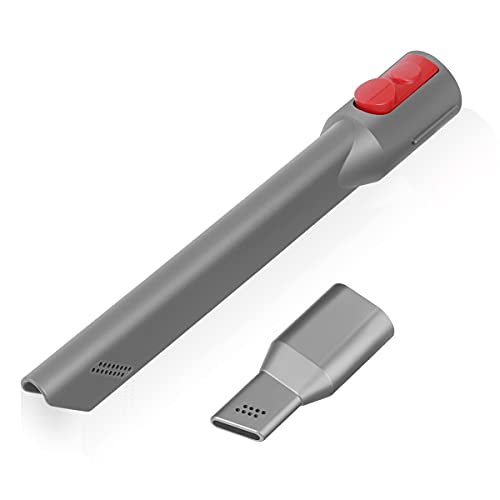
LANMU Crevice Tool Vacuum Attachments Compatible with Dyson V15 V12 V11 V10 V9 V8 V7 Gen5 Outsize Vacuum Cleaner, Narrow Nozzel Replacement Parts for Hard-to-Reach Space
- Wide Compatibility: Compatible with various Dyson models
- Slim and Flexible Design: Narrow nozzle for tight spaces
- Versatile Applications: Ideal for furniture, car, and appliance cleaning
As an affiliate, we earn on qualifying purchases.
Step 2: Check and Clean the Pre-Filter
- Remove the pre-filter from the vacuum according to the user manual.
- Rinse the filter under cold water until clean, then wring out excess water.
- Allow the filter to air dry completely before reinstalling, typically 24 hours.
Dirty filters can significantly reduce suction. Regular cleaning helps maintain optimal airflow.
Step 3: Inspect and Clear Blockages
- Check the wand, cleaner head, and hose for blockages or debris.
- Remove any obstructions carefully, ensuring no damage to the internal components.
- Use a long, thin tool if necessary to dislodge stubborn debris.
Blockages restrict airflow, leading to suction loss. Clearing them restores vacuum efficiency.
Step 4: Examine the Brush Bar and Cleaner Heads
Remove the cleaner head and check the brush bar for tangled hair or debris. Clear any entanglements and clean the head thoroughly. Reassemble and test the vacuum.
Step 5: Test the Vacuum and Check Battery
After cleaning, turn on your Dyson V15 Detect™ and observe if suction improves. Ensure the battery is fully charged and the power mode is correctly set for deep cleaning.
The Products in This Guide

Dyson V15 Detect™ Origin Cordless Vacuum
- ✔ Battery Life: 60 minutes
- ✔ Weight: Less than 7 lbs
- ✔ Filtration: Advanced cyclone system

LANMU Crevice Tool Vacuum Attachments Compatible
- ✔ Length: 15 inches
- ✔ Material: Plastic
- ✔ Compatibility: Multiple Dyson cordless models
Dyson V15 Detect™ Origin Cordless Vacuum
The Dyson V15 Detect™ Origin offers powerful, intelligent cleaning with features like an LCD screen, advanced cleaner heads, and a long battery life. It’s designed to adapt to different debris and floor types, making it a versatile choice for comprehensive home cleaning.
Pros:
- Powerful suction with 100% more power
- Intelligent debris detection
- Long 60-minute run time
- Multiple cleaning heads included
Cons:
- Higher price point
- Requires regular filter maintenance
- Battery replacement can be costly
Best for: Deep cleaning homes with mixed flooring and pet hair
Not ideal for: For those seeking a lightweight, budget-friendly option
Bottom line: The Dyson V15 Detect™ Origin is a top-tier cordless vacuum perfect for thorough, versatile cleaning.
LANMU Crevice Tool Vacuum Attachments Compatible
The LANMU Crevice Tool Vacuum Attachments are compatible with Dyson V15 series and are perfect for cleaning tight corners, edges, and narrow spaces in your home or car. Their slender profile makes reaching difficult spots effortless.
Pros:
- Narrow, flexible nozzle
- Compatible with multiple Dyson models
- Easy to attach and use
- Helps remove dust from tricky spots
Cons:
- Only suitable for specific Dyson models
- No additional tools included
- Slightly narrow for larger debris
Best for: Cleaning corners, car interiors, and tight spaces
Not ideal for: For large debris or deep cleaning tasks
Bottom line: A specialized tool that makes cleaning hard-to-reach spots quick and easy.
Frequently Asked Questions
Why does my Dyson vacuum keep losing suction?
Common reasons include dirty filters, blockages in the wand or hose, tangled debris around the brush bar, or a full bin. Regular maintenance helps prevent suction loss.
How often should I clean or replace filters?
It’s recommended to rinse the pre-filter every 1-3 months and replace filters every 6-12 months, depending on usage and model.
Can I fix suction issues myself?
Yes, most problems can be fixed by cleaning filters, removing blockages, and checking for tangled hair around the brush bar. Always follow safety precautions.
What should I do if cleaning doesn’t restore suction?
If cleaning and clearing blockages don’t help, consider replacing filters or contacting Dyson customer support for further diagnostics.
Keep Your Dyson V15 Detect Running Like New
Regular maintenance, such as cleaning filters and inspecting for blockages, is key to keeping your Dyson cordless vacuum performing at its best. By following these troubleshooting steps, you can quickly resolve suction issues and enjoy deep, efficient cleaning every time.
Affiliate disclosure: As an Amazon Associate we earn from qualifying purchases. Prices and availability are accurate as of the time of publishing.