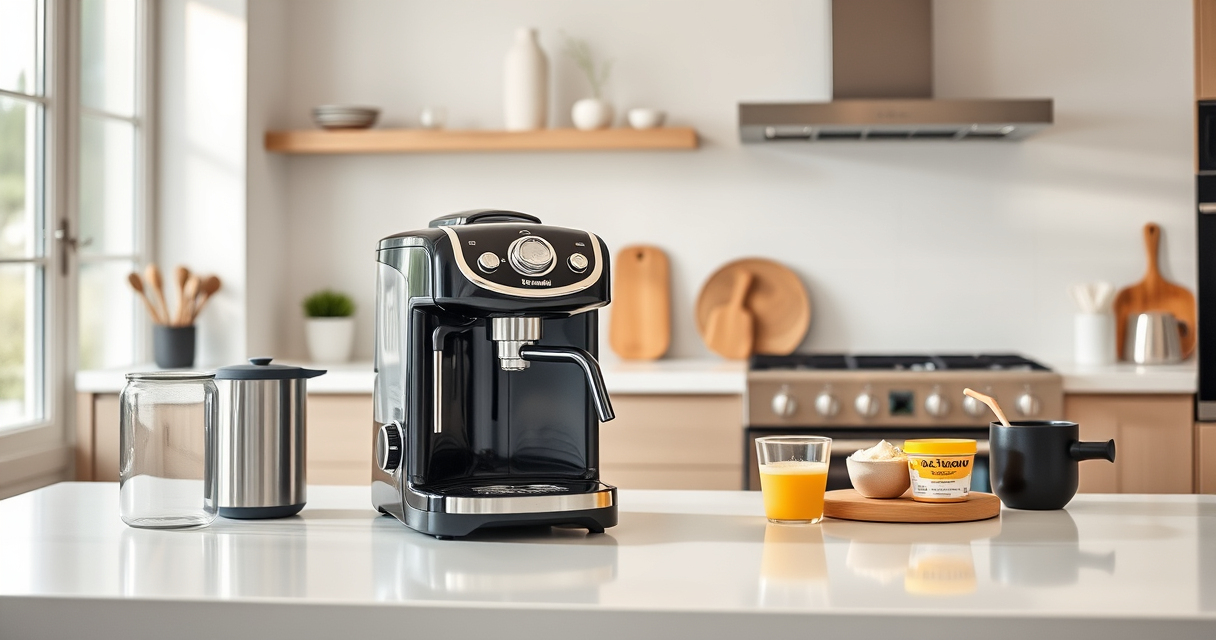
If your De’Longhi Magnifica Evo or similar model keeps leaking water, it can disrupt your daily coffee routine and potentially damage the machine. Luckily, many leaks are fixable with some basic troubleshooting and maintenance. This guide walks you through safe, effective steps to identify and resolve water leaks, restoring your espresso machine to proper working order.

Get home appliances delivered free with Prime
- Fast, free delivery on millions of items
- Prime Video, Amazon Music and more included
- Member-only deals all year
Before you start, ensure your machine is unplugged for safety, and gather basic tools like a towel, a small screwdriver, and replacement parts if needed.
Key Takeaways
| Identify the source | Determine where the water is leaking from first. |
| Check for blockages | Clogged valves or filters can cause leaks. |
| Inspect seals and gaskets | Worn or damaged seals are common leak sources. |
| Perform regular descaling | Limescale buildup can affect water flow and cause leaks. |
| Replace faulty parts | Use genuine parts for reliable repairs. |
Step 1: Turn Off and Unplug the Machine
Ensure the espresso machine is turned off and unplugged from the power source to avoid electrical hazards. Allow the machine to cool down if it has been recently used.
Step 2: Empty Water Reservoir and Check for Obvious Leaks
- Remove the water reservoir and inspect for cracks or damage.
- Empty the reservoir completely.
- Place the reservoir back and observe if water leaks when the machine is powered on.
Step 3: Inspect and Clean Seals and Gaskets
- Check all visible seals and gaskets for cracks, wear, or misalignment.
- Clean any residue or mineral deposits that could obstruct proper sealing.
- If seals are damaged, replace them with genuine parts.
Step 4: Check the Water Filter and Descale
If your machine uses a water filter, remove and inspect it. Consider replacing it with a new De’Longhi Replacement Water Filter if it appears dirty or clogged. Also, descale the machine regularly using a descaling solution like De’Longhi EcoDecalk to prevent mineral buildup that might cause leaks.
Step 5: Test for Leaks and Final Checks
Reassemble any parts that were removed. Fill the water reservoir and turn on the machine. Observe closely for any leaks. If leaks persist, it may be necessary to contact professional repair services or replace faulty internal components.
The Products in This Guide
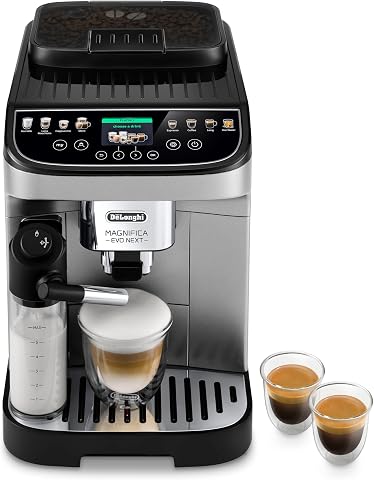
De’Longhi Magnifica Evo Next Fully Automatic Espresso Ma
- ✔ Dimensions: 11.2 x 15.9 x 14.4 inches
- ✔ Weight: 22.1 lbs
- ✔ Warranty: 1 year

De’Longhi Replacement Water Filter
- ✔ Size: 2.8 x 2.8 x 4.4 inches
- ✔ Weight: 7.2 oz
- ✔ Filter Type: Carbon block
De’Longhi Magnifica Evo Next Fully Automatic Espresso Ma
<p>The De’Longhi Magnifica Evo Next Fully Automatic Espresso Machine is a highly rated, super-automatic coffee maker with a built-in grinder and milk frother. It offers 13 one-touch recipes and precise control over your coffee preferences. Regular maintenance, including checking for leaks, helps keep it performing at its best.</p>
Pros:
- Versatile one-touch recipes
- Built-in grinder with 13 settings
- Automatic milk frothing system
- Programmable and customizable
Cons:
- Can be complex to troubleshoot internally
- Requires ongoing descaling
- Initial cost may be high
Best for: Home baristas who want a fully automatic, all-in-one espresso solution
Not ideal for: Users seeking a simple, manual espresso machine
Bottom line: A feature-packed espresso machine that benefits from regular maintenance to prevent leaks.
De’Longhi Replacement Water Filter
<p>Replacing your water filter regularly with the De’Longhi Replacement Water Filter can help prevent mineral buildup and leaks caused by scale or impurities. It’s designed to optimize water quality for your espresso machine.</p>
Pros:
- Improves water quality
- Reduces lime scale
- Easy to install
- Enhances coffee flavor
Cons:
- Additional purchase cost
- Needs replacement every 2-3 months
- Not compatible with all models
Best for: Maintaining machine efficiency and flavor quality
Not ideal for: If your machine is leaking due to internal damage, replace parts instead
Bottom line: A simple upgrade that helps prevent leaks caused by mineral deposits.
Frequently Asked Questions
Why is my De’Longhi espresso machine leaking water?
Leaks can occur due to worn seals, blockages, mineral buildup, or damaged internal components. Regular maintenance and inspection help prevent leaks.
Can I fix leaks myself?
Yes, many leaks are fixable with basic troubleshooting, such as replacing seals or filters, descaling, and cleaning. For internal damage, professional repair may be necessary.
How often should I descale my machine?
It’s recommended to descale every 2-3 months, especially if you notice reduced performance or water leaks. Use a descaler like De’Longhi EcoDecalk for best results.
What should I do if the leak persists after maintenance?
If leaks continue despite cleaning and replacing seals, contact a professional technician for internal inspection or consider replacing faulty parts.
Keeping Your Coffee Flowing Smoothly
Water leaks in your De’Longhi espresso machine are often manageable with routine inspection and maintenance. Regularly checking seals, descaling, and replacing filters can prevent most common issues. If problems persist, professional repair ensures your machine stays in top condition so you can enjoy your favorite espresso drinks without interruption.
Affiliate disclosure: As an Amazon Associate we earn from qualifying purchases. Prices and availability are accurate as of the time of publishing.
Columbus Day / Indigenous Peoples' Day Picks
long weekend sales
As an affiliate, we earn on qualifying purchases.