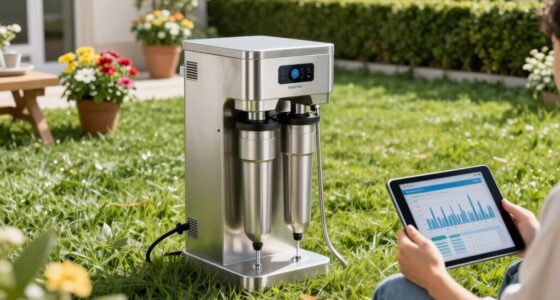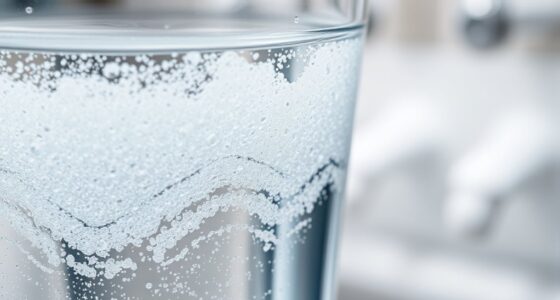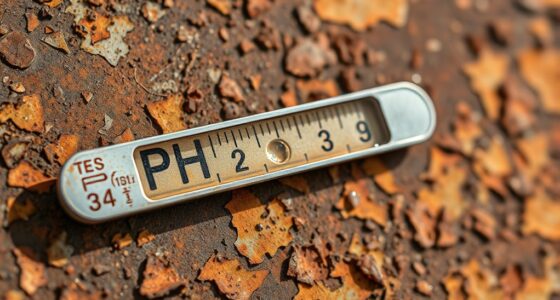

To keep your water tasting fresh and flowing smoothly, regularly test your water quality and address any mineral buildup or contaminants with suitable filtration. Inspect your pipes for leaks, corrosion, or blockages and fix issues promptly. Installing a pressure regulator helps maintain consistent flow, while routine maintenance prevents clogs and leaks. Staying proactive guards your plumbing’s longevity and ensures safe, stable water—discover more ways to optimize your system and enjoy reliable water every day.

Get home appliances delivered free with Prime
- Fast, free delivery on millions of items
- Prime Video, Amazon Music and more included
- Member-only deals all year
Key Takeaways
- Regularly test water quality to identify mineral buildup, contaminants, or bacterial growth affecting taste and safety.
- Perform routine plumbing inspections and flush pipes to prevent leaks, blockages, and corrosion.
- Install filtration systems and pressure regulators to maintain consistent flow and improve water taste.
- Address minor issues early through preventive maintenance to avoid costly repairs and system failures.
- Keep the water system safe and reliable by monitoring for corrosion, debris, and maintaining proper water treatment.
Maintaining a consistent taste and reliable flow in your home’s water system can seem challenging, but with the right knowledge, it’s entirely manageable. One of the key factors is understanding how water quality impacts both taste and flow. Over time, minerals, sediments, and other contaminants can build up in your plumbing, affecting the water that reaches your tap. Regularly testing your water helps identify issues early and guarantees you catch any problems before they become significant. If you notice a strange taste or smell, it could be a sign of mineral buildup or bacterial growth, which calls for immediate attention. Improving water quality often involves installing appropriate filtration systems or treating your water supply, which can make a noticeable difference in taste and overall safety.
Beyond water quality, plumbing maintenance plays a crucial role in maintaining stable flow. Over time, pipes can develop leaks, blockages, or corrosion, all of which impede water flow. Keeping your plumbing in top condition involves routine inspections, flushing your pipes periodically, and addressing small issues before they escalate. For example, replacing aging pipes or fixing leaks can prevent water loss and pressure drops that frustrate your daily routines. Additionally, installing a water pressure regulator can help sustain consistent flow, especially if your home experiences fluctuations. Good plumbing maintenance also means being mindful of what goes down your drains—avoiding grease, hair, and debris helps prevent clogs that slow or stop water flow altogether. Regular water testing can also help detect water quality issues early on, allowing you to take preventive measures. Staying informed about water treatment options can further enhance your home’s water stability and safety. Proper preventive maintenance can save you from costly repairs and ensure your water system remains reliable over time. Paying attention to pipe corrosion and buildup can significantly extend the lifespan of your plumbing system and reduce unexpected failures.
water filtration system for home
As an affiliate, we earn on qualifying purchases.
As an affiliate, we earn on qualifying purchases.
Frequently Asked Questions
How Often Should I Inspect My Plumbing System for Stability?
You should inspect your plumbing system at least once a year to guarantee stability. Regular plumbing maintenance helps catch issues early, preventing leaks or corrosion that could impact water quality. Check for any signs of deterioration, unusual smells, or flow problems. Staying proactive keeps your water tasting fresh and maintains consistent flow. If you notice any irregularities, don’t wait—address them promptly to preserve your system’s stability and water quality.
Can Water Temperature Affect Taste and Flow Consistency?
Water temperature can definitely disrupt your taste and flow consistency. When water gets too hot or cold, it affects flavor, making tastes sharper or duller, and can cause flow fluctuations. You might notice that hot water tastes different or that cold water doesn’t flow smoothly. To maintain stable taste and flow, keep your water temperature steady, ensuring it’s comfortably warm but not excessively hot, promoting perfect taste and consistent flow.
What Are Signs of Impending Flow or Taste Issues?
You’ll notice signs like flavor fluctuations or a sudden decrease in water flow, which could indicate impending issues. Pipe corrosion often causes these problems, leading to taste changes and reduced pressure. Keep an eye out for discolored water or a metallic taste, as these are common signals. Regular maintenance and inspections help catch these signs early, preventing more serious flow or taste issues down the line.
Are There Specific Materials That Improve Stability?
Imagine upgrading your plumbing with high-quality CPVC pipes, which are known for their material durability. These pipes resist corrosion and maintain stable flow, reducing taste issues caused by leaching. Adding proper pipe insulation further enhances stability by preventing temperature fluctuations that can impact water quality. By choosing durable materials and insulating your pipes, you create a reliable system that guarantees consistent taste and flow, minimizing future problems.
How Does Water Pressure Impact Taste and Flow Stability?
Water pressure directly affects taste and flow stability by influencing water mineralization levels and pipe corrosion. High pressure can cause mineral deposits to build up faster, impacting flavor, and may stress pipes, leading to corrosion that releases metallic tastes. Conversely, low pressure results in inconsistent flow, reducing stability. Maintaining ideal water pressure helps slow mineralization and pipe wear, ensuring better taste and steady flow.
water pressure regulator for house
As an affiliate, we earn on qualifying purchases.
As an affiliate, we earn on qualifying purchases.
Conclusion
So, after all this, you’ve learned how to keep your water tasting perfect and flowing steady — quite the feat, isn’t it? Yet, with all these tips, the irony is that sometimes, the simplest fix is just a quick call to a pro. Turns out, even the most prepared homeowner can’t always control everything. But hey, at least now you’re ready to spot the signs of trouble before they turn into a full-blown plumbing saga.
As an affiliate, we earn on qualifying purchases.
As an affiliate, we earn on qualifying purchases.
Fall Picks
fall essentials
As an affiliate, we earn on qualifying purchases.