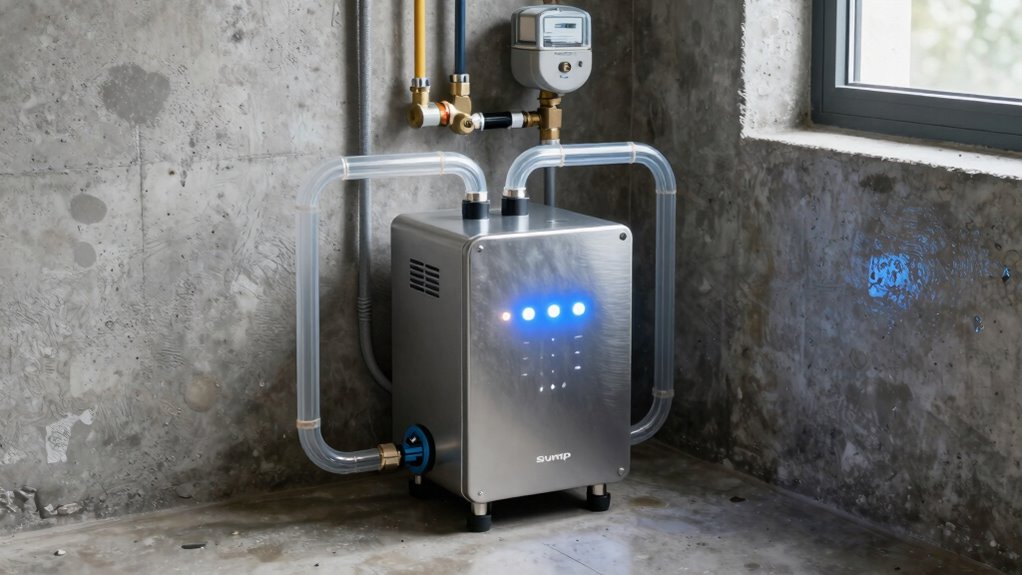

Including sump backup systems in your water plans is essential to guarantee reliable flood prevention and stormwater management, especially during outages or severe weather. They help you maintain operation when primary pumps fail, protect properties from damage, and reduce costly repairs. Adding redundancy increases system resilience and allows for automatic or manual activation, supporting effective flood control. To uncover more strategies for enhancing water security, keep exploring how these systems can strengthen your infrastructure.

Get home appliances delivered free with Prime
- Fast, free delivery on millions of items
- Prime Video, Amazon Music and more included
- Member-only deals all year
Key Takeaways
- They ensure continuous operation during power outages, preventing flooding and property damage.
- They enhance stormwater management by providing reliable redundancy and proactive flood prevention.
- Customizable backup solutions improve site-specific resilience for residential, commercial, or industrial water plans.
- Incorporating backup systems reduces flood-related liabilities and operational disruptions during failures.
- They support climate resilience by safeguarding infrastructure against increasingly unpredictable weather events.
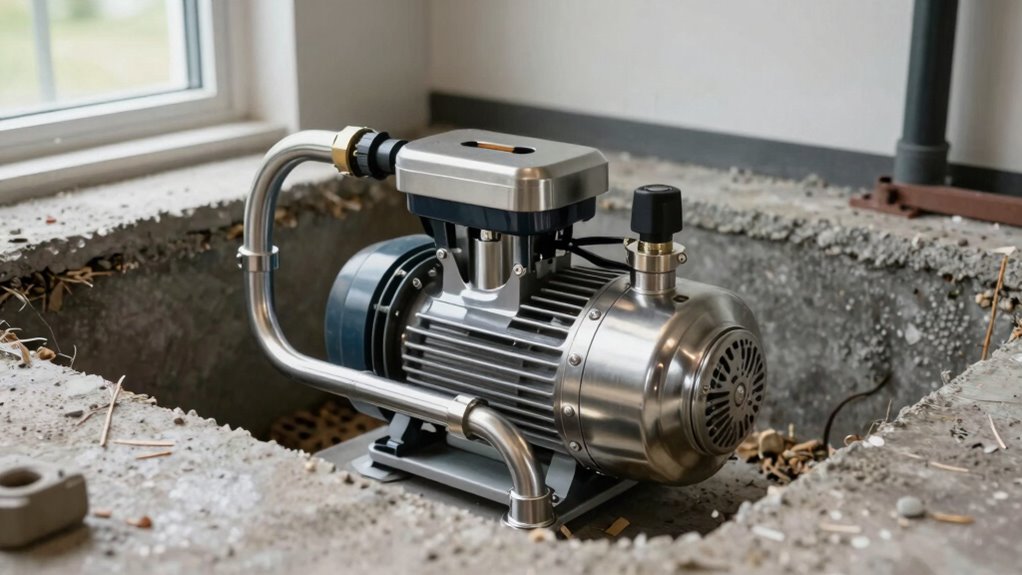
When managing water systems, having a reliable sump backup system is essential to prevent flooding and guarantee continuous operation during power outages or equipment failures. This becomes especially critical when considering stormwater management and flood prevention. Without a backup in place, a sudden storm or system malfunction can quickly lead to overwhelmed drainage, property damage, and costly repairs. Incorporating sump backup systems into your water plan provides an extra layer of security, guaranteeing that water is effectively managed even when primary pumps fail or power is lost.
A sump backup system isn’t just about avoiding inconvenience; it’s about actively reducing the risk of flooding. During heavy rainfall, stormwater can accumulate rapidly, testing the limits of your existing infrastructure. If the main sump pump fails or the power grid goes down, that water can flood basements, threaten infrastructure, and create hazardous conditions. A backup system ensures continuous operation, allowing you to control stormwater and prevent floodwaters from breaching your defenses. This proactive approach minimizes the damage caused by unexpected weather events and keeps your property and operations safe.
Furthermore, integrating sump backup systems into more water plans supports better stormwater management strategies. When you plan ahead, you can tailor backup solutions to match the specific needs of your site, whether it’s a commercial complex, industrial facility, or residential area. These systems can be designed to activate automatically, providing immediate response to rising water levels, or to operate manually if needed. By doing so, you create a resilient infrastructure that not only manages stormwater effectively but also avoids costly downtime and cleanup efforts. Recognizing the importance of system redundancy** can significantly enhance your water management strategy. Additionally, understanding the benefits of backup system reliability can help you make more informed decisions about your water infrastructure investments. Incorporating redundant systems** also ensures that your water management remains effective even during unexpected failures.
You also benefit from peace of mind knowing that your flood prevention measures are extensive. Relying solely on primary pumps leaves you vulnerable during outages or equipment failure, but a backup system creates redundancy, which is fundamental for reliable flood prevention. This redundancy ensures your water management plan remains operational under adverse conditions, reducing the risk of flood-related liabilities and damage. Modern backup systems are increasingly energy-efficient, cost-effective, and easy to maintain, making them a practical addition to your existing water management infrastructure.
Incorporating sump backup systems into your water plan isn’t just an upgrade—it’s a strategic move towards more resilient, effective flood prevention and stormwater management. You protect your property, safeguard your operations, and contribute to a more robust response to unpredictable weather patterns. As climate change leads to more intense storms, understanding the importance of reliable backup systems becomes essential for comprehensive water management plans.
As an affiliate, we earn on qualifying purchases.
Frequently Asked Questions
How Much Do Sump Backup Systems Typically Cost to Install?
Sump backup systems typically cost between $1,000 and $3,000 to install, depending on your home’s size and the system type. When doing a cost comparison, consider installation steps like evaluating your sump pit, choosing the right backup (battery or water-powered), and hiring a professional. These steps guarantee proper setup, helping you avoid future water damage costs. Investing now can save you money and stress later.
Are Sump Backup Systems Compatible With Existing Water Management Infrastructure?
Yes, sump backup systems are compatible with existing water management infrastructure. They integrate seamlessly, helping you maintain water quality and reduce environmental impact during power outages or system failures. By adding a sump backup, you guarantee your water management remains efficient and environmentally friendly, preventing contamination or flooding. This compatibility makes sump backup systems a valuable addition to your water plan, enhancing resilience without costly overhauls.
What Maintenance Is Required for Sump Backup Systems?
Think of your sump backup system as a loyal guard dog. You need to check its leash regularly—this is your maintenance frequency, ensuring everything’s in working order. Occasionally, you’ll run system troubleshooting to catch any issues early. Keep the pump clean, test the alarm, and replace worn parts as needed. This proactive care keeps your system ready to protect your home when water levels rise unexpectedly.
How Long Can Sump Backup Systems Operate During Power Outages?
During power outages, sump backup systems can typically operate for several hours, depending on their battery capacity. This duration is vital for flood prevention and guarantees your emergency preparedness is effective. You should regularly check and maintain your system’s batteries so it can function when needed most. Knowing how long your backup system lasts helps you plan for additional flood prevention measures and keeps your home protected during emergencies.
Do Sump Backup Systems Affect Overall Water Plan Regulations or Permits?
Sump backup systems can influence your overall water plan regulations and permitting requirements, as they must meet regulatory compliance standards. You need to guarantee your system adheres to local permits and codes, especially if it impacts groundwater or stormwater management. Failing to comply can lead to penalties or system modifications. Including sump backups in your water plan helps streamline permitting, ensures safety, and maintains regulatory adherence.
stormwater flood prevention system
As an affiliate, we earn on qualifying purchases.
As an affiliate, we earn on qualifying purchases.
Conclusion
Including sump backup systems in water plans isn’t just smart; it’s essential. Think of them as the silent guardians, standing guard against unseen threats beneath the surface. By integrating these systems, you’re not only protecting your property but also ensuring peace of mind amid rising water challenges. Don’t let your plans be like a ship without a lifeboat—prepare now, and fortify your defenses before the storm arrives. After all, foresight is the best shield against the unpredictable.
As an affiliate, we earn on qualifying purchases.
As an affiliate, we earn on qualifying purchases.
Halloween Picks
halloween
As an affiliate, we earn on qualifying purchases.