
When your family size increases, your household system faces more pressure on resources like food, water, and space. You’ll need better communication and organization to keep everything running smoothly. More family members mean more responsibilities, which can lead to conflicts or miscommunications if not managed well. To maintain stability, you must plan carefully, communicate clearly, and stay flexible. If you want to understand how to handle these changes effectively, keep exploring the deeper aspects involved.
Prime for Young Adults — start your free trial
Fast free delivery, streaming and member deals for eligible 18–24 year olds.
As an affiliate, we earn on qualifying purchases.
Key Takeaways
- Larger families increase demand for resources, requiring more careful planning and management.
- Increased household size adds complexity, necessitating clear rules and effective communication.
- System performance depends on adapting resource allocation and communication strategies to family size.
- Bigger families may experience more conflicts and miscommunication, impacting overall household efficiency.
- Flexibility, structured routines, and proactive planning are essential to maintain system stability as family size grows.
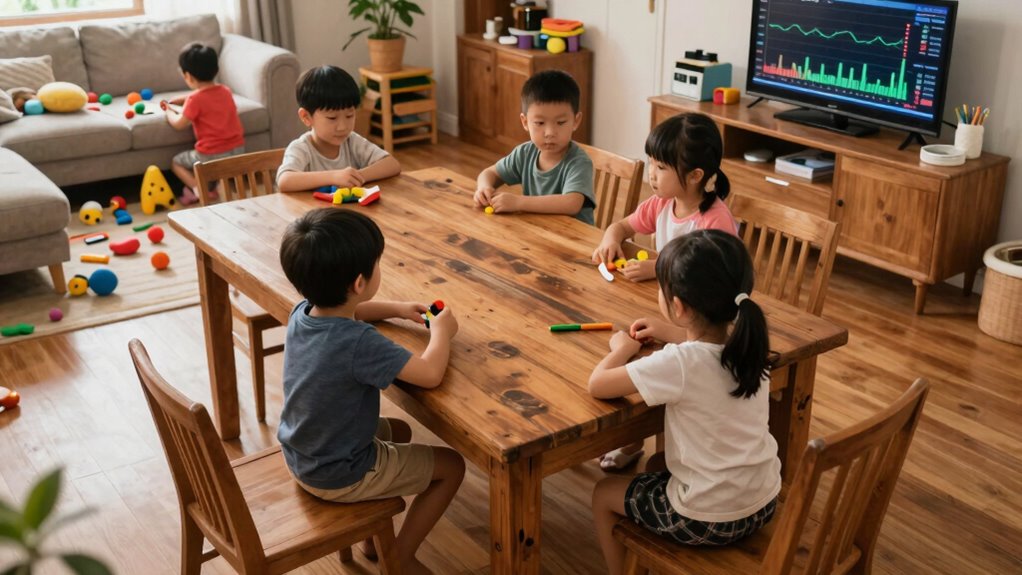
Family size considerably influences system performance, especially in environments where resource allocation and management are critical. When you have a larger household, the dynamics within that family shift markedly, affecting how resources are distributed and utilized. In small families, it’s easier to coordinate daily activities, allocate resources efficiently, and maintain a stable routine. However, as the family grows, household dynamics become more complex, requiring more deliberate planning to ensure everyone’s needs are met. This increased complexity can strain existing systems, whether they’re related to financial management, household chores, or emotional support.
Larger families amplify household complexity, demanding better planning and resource management for smooth daily operations.
With more members, your resource allocation needs escalate. Food, water, energy, and space all become scarcer relative to the demand. You might find yourself spending more time planning budgets, shopping, and organizing schedules to keep everything running smoothly. The larger the family, the more carefully you have to manage these resources to prevent shortages or conflicts. For instance, if any member’s needs aren’t properly accounted for, it can lead to frustration and inefficiencies that ripple through daily routines. In essence, the performance of your household system depends heavily on how well you adapt your resource allocation strategies to accommodate a bigger family.
Furthermore, larger families tend to experience more diverse household dynamics, which can either hinder or enhance system performance. On one hand, more people mean more perspectives, skills, and shared responsibilities, which can distribute workload and foster cooperation. On the other hand, it can introduce conflicts, miscommunication, or competition for resources, especially if household rules or expectations aren’t clear. Maintaining harmony and efficiency requires active management and flexibility, making it clear that system performance hinges on your ability to navigate these shifting dynamics. Proper resource management is crucial to maintaining harmony and efficiency as your household grows. Additionally, household organization becomes increasingly vital to coordinate tasks, schedules, and responsibilities effectively.
Additionally, as family size increases, the need for organized communication becomes paramount. Without clear channels for sharing information and coordinating tasks, your household’s efficiency could decline. Larger families often require more structured routines, schedules, and decision-making processes to prevent chaos and ensure everyone’s needs are addressed. This means that your system performance is directly tied to how effectively you can adapt to changing household dynamics and allocate resources appropriately. Clear communication channels and effective planning are vital for sustaining household stability as the family expands. Proper communication strategies can greatly reduce misunderstandings and conflicts, ensuring smoother daily operations. Moreover, investing in communication tools can help streamline this process and keep everyone on the same page.
family resource management planner
As an affiliate, we earn on qualifying purchases.
As an affiliate, we earn on qualifying purchases.
Frequently Asked Questions
How Does Family Size Impact System Scalability?
You’ll find that family size directly impacts system scalability through household dynamics and demographic shifts. As family sizes change, the demand on systems like healthcare, education, and utilities fluctuates, requiring adjustments to handle increased or decreased loads. Smaller households may ease system pressure, while larger families can strain resources. Keeping pace with demographic shifts guarantees your system remains flexible and efficient, accommodating evolving household needs seamlessly.
Are There Optimal Family Sizes for System Efficiency?
Yes, there are ideal family sizes for system efficiency. Smaller families tend to simplify family dynamics and reduce household complexity, making resource management and communication more straightforward. Larger families, however, increase household complexity, which can strain system resources and slow performance. Finding a balance depends on your specific needs, but generally, a moderate family size helps maintain efficient system functioning by minimizing chaos while supporting diverse family interactions.
How Does Family Size Influence Resource Allocation?
Family size dramatically shapes resource allocation, like a giant magnet pulling in household resources. You’ll find that larger families create complex household dynamics, making resource distribution more challenging and often less efficient. Smaller families tend to manage resources more effectively, ensuring everyone gets enough without waste. As family size grows, balancing resource distribution becomes more difficult, potentially straining the system and reducing overall efficiency.
What Are the Long-Term Effects of Changing Family Sizes?
You’ll notice that long-term effects of changing family sizes include demographic shifts like aging populations or youth surges, impacting workforce availability and social services. Urbanization trends often accelerate these changes, concentrating populations and straining infrastructure. Smaller families might lead to reduced economic growth, while larger ones can enhance community energy. Understanding these impacts helps you plan better for future resource needs and policy adjustments in response to evolving family dynamics.
How Do Cultural Differences Affect Family Size and System Performance?
Cultural norms act as the compass guiding family size, shaping societal expectations like an invisible hand steering growth. When traditions favor larger families, systems strain to support increased demand, while smaller family ideals ease pressure and foster efficiency. These cultural differences influence resource allocation, social services, and economic stability, creating ripple effects across communities. You see, understanding these norms helps you grasp how family size impacts system performance globally.
household organization and scheduling tools
As an affiliate, we earn on qualifying purchases.
As an affiliate, we earn on qualifying purchases.
Conclusion
As you consider family size’s impact on system performance, it’s interesting how the numbers often reflect broader societal shifts—like a mirror held up to our changing priorities. When family sizes fluctuate, they subtly influence resource distribution and efficiency, almost like a quiet dance we all participate in. So, next time you think about family planning, remember it’s not just personal—it’s part of a larger pattern shaping our collective performance and progress.
As an affiliate, we earn on qualifying purchases.
budgeting tools for large families
As an affiliate, we earn on qualifying purchases.
As an affiliate, we earn on qualifying purchases.
Fall yard work Picks
leaf blowers
As an affiliate, we earn on qualifying purchases.