Spin-down prefilters are a smart choice when you face high debris loads, as they quickly remove large particles and protect downstream filters. They improve system efficiency and extend equipment life if maintained properly. However, they aren’t suitable for environments with mostly fine particles or high flow rates, which can cause turbulence or bypass. To determine if they fit your needs and uncover more about their ideal use, keep exploring the details.

Get home appliances delivered free with Prime
- Fast, free delivery on millions of items
- Prime Video, Amazon Music and more included
- Member-only deals all year
Key Takeaways
- Spin-down prefilters are effective in high debris load environments but less suitable for systems with mostly fine particles.
- They help extend filter lifespan and improve efficiency by removing large particles upfront.
- Proper maintenance is essential to prevent clogging and maintain performance.
- High flow velocities and volumes can reduce their effectiveness and cause debris to bypass or turbulence.
- Overusing prefilters where unnecessary increases maintenance costs without significant benefits.

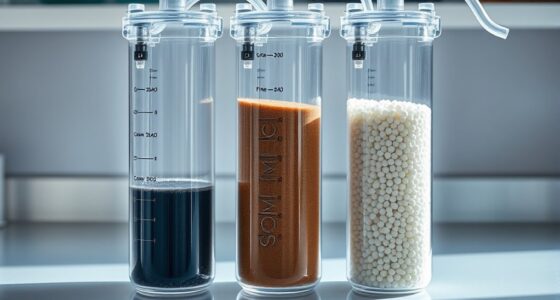
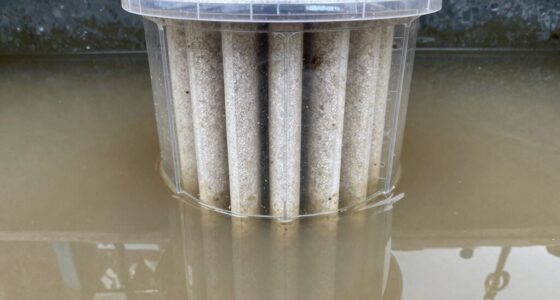
Spin-down prefilters are essential components in many filtration systems, designed to remove large particles and debris before the main filtration process begins. They serve as the first line of defense, capturing particles that could clog or damage more sensitive filters downstream. By doing so, they help extend the lifespan of your entire filtration setup and maintain consistent performance. When contemplating particle removal, spin-down prefilters excel because they quickly settle out larger contaminants, preventing them from reaching more delicate filters that handle finer particles. This initial separation step can considerably boost your system’s overall efficiency, as it reduces the workload on subsequent filters and ensures smoother operation. Additionally, their ability to remove large particles quickly makes them particularly effective in environments with high debris loads. Proper filter maintenance routines are crucial to prevent clogging and ensure ongoing efficiency. Regular cleaning is essential because accumulated debris can lead to clogging and pressure drops**, which negatively impact system performance. However, it’s important to recognize that spin-down prefilters aren’t suitable for every application. Their effectiveness largely depends on the specific environment and the nature of the particles present. If your water or fluid contains mostly fine particles or dissolved contaminants, a spin-down prefilter may not provide the best particle removal. In such cases, other filtration technologies like cartridge filters or membrane systems might be more appropriate. Overusing spin-down prefilters where they aren’t needed can lead to unnecessary maintenance and cost, especially if they fill up quickly with debris that they can’t effectively trap. Another factor to evaluate is flow rate. Spin-down prefilters work best when the flow velocity isn’t too high, allowing the settled debris to collect properly at the bottom of their chambers. If your system demands high flow rates, these prefilters might not perform as efficiently, and debris could be pushed through or cause turbulence. This can reduce their particle removal capabilities and compromise the efficiency of your entire filtration process. In such cases, you might need a more robust prefiltration solution designed for high-volume applications. Additionally, while spin-down prefilters are generally low-maintenance, they still require regular cleaning to maintain best particle removal and efficiency. Neglecting this can lead to clogging, which diminishes their effectiveness and can cause pressure drops that affect system performance. Proper maintenance routines are essential to keep these prefilters functioning optimally, especially in demanding environments. Regular inspection and timely cleaning can also prevent the buildup of debris accumulation**, which can impair flow and filtration performance.
spin-down prefilter for water filtration
As an affiliate, we earn on qualifying purchases.
As an affiliate, we earn on qualifying purchases.
Frequently Asked Questions
How Do Spin-Down Prefilters Differ From Traditional Filters?
Spin-down prefilters differ from traditional filters by using centrifugal force to remove larger particles efficiently, as shown in their technical specifications. They typically have a higher initial cost, but save money over time by reducing wear on downstream equipment and extending filter life. You’ll find them ideal in specific applications, but in some cases, traditional filters may be more cost-effective, especially where finer filtration isn’t critical.
What Maintenance Is Required for Spin-Down Prefilters?
They say, “A stitch in time saves nine,” and that’s true for spin-down prefilters. You need to regularly check and clean the filter bowl to maintain filtration efficiency. Replace the filter media as recommended by the manufacturer, and keep an eye on cost considerations to avoid overspending. Proper maintenance guarantees the prefilter performs well, prolongs its lifespan, and keeps your system running smoothly without unexpected breakdowns.
Are Spin-Down Prefilters Suitable for All Water Types?
Spin-down prefilters aren’t suitable for all water types. They excel in removing larger particles, which helps with mineral removal and can stabilize pH levels. However, if your water has high levels of dissolved minerals or acidity, these filters might not effectively address those issues. You should assess your water quality first, then consider if a spin-down prefilter can help with mineral removal or pH adjustment before installing one.
How Long Do Spin-Down Prefilters Typically Last?
Think of your spin-down prefilter as a loyal gatekeeper, standing guard over your water’s purity. Usually, it lasts about 6 to 12 months, depending on water mineralization and usage. As minerals accumulate, it’s like dirt piling up on a path—eventually, it blocks the way. Regular filter installation checks help keep it efficient, ensuring your water stays clean and fresh without interruption.
Can Spin-Down Prefilters Improve Water Taste and Odor?
Yes, spin-down prefilters can improve water taste and odor by reducing particles and contaminants that affect flavor. They help stabilize water pH and remove impurities that cause unpleasant odors. By filtering out sediments and some minerals, they improve overall water quality. However, they mainly target physical debris, so for significant taste or odor issues related to mineral content, additional treatment like activated carbon filters may be necessary.
large particle prefilter for high debris loads
As an affiliate, we earn on qualifying purchases.
As an affiliate, we earn on qualifying purchases.
Conclusion
Think of spin-down prefilters as the lighthouse guiding your system through turbulent waters. They illuminate the path by catching debris before it causes harm, but only in areas where the storm’s intensity demands such a beacon. In calmer seas, they become unnecessary shadows, cluttering the horizon. Recognize when to turn on this guiding light and when to let it rest—trusting your system’s natural clarity to steer smoothly through the waves.
As an affiliate, we earn on qualifying purchases.
As an affiliate, we earn on qualifying purchases.
Cold & flu season Picks
humidifiers
As an affiliate, we earn on qualifying purchases.