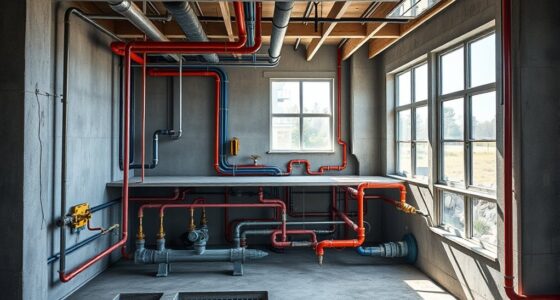
Your pressure-tank capacity mainly influences how your pump cycles, which impacts its efficiency and lifespan. A tank that’s too small causes frequent cycling, wearing out your pump faster and wasting energy, while an oversized tank results in unnecessary space use and cost. Proper sizing helps maintain steady pressure and reduces unnecessary start-stop cycles. If you want to understand how to optimize your system’s cycling strategy for better performance, keep exploring these key factors.
Key Takeaways
- Proper tank capacity controls pump cycling frequency, reducing wear and energy consumption.
- It ensures consistent pressure, preventing pressure drops that trigger frequent pump cycles.
- Matching tank size to water usage patterns optimizes cycling behavior and system efficiency.
- Proper capacity minimizes unnecessary pump starts and stops, extending equipment lifespan.
- Strategic tank sizing supports smooth operation and prevents short cycling issues.
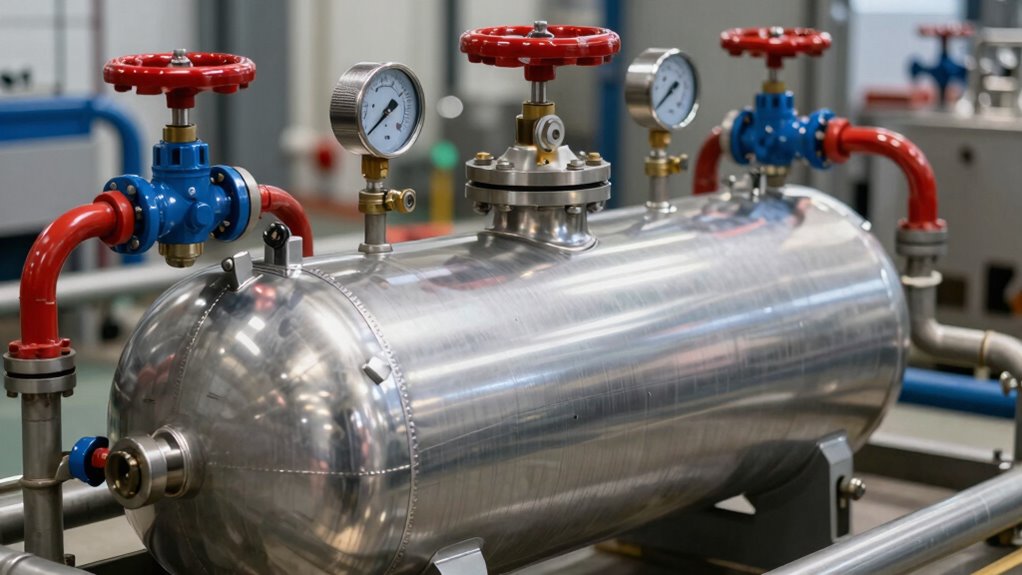
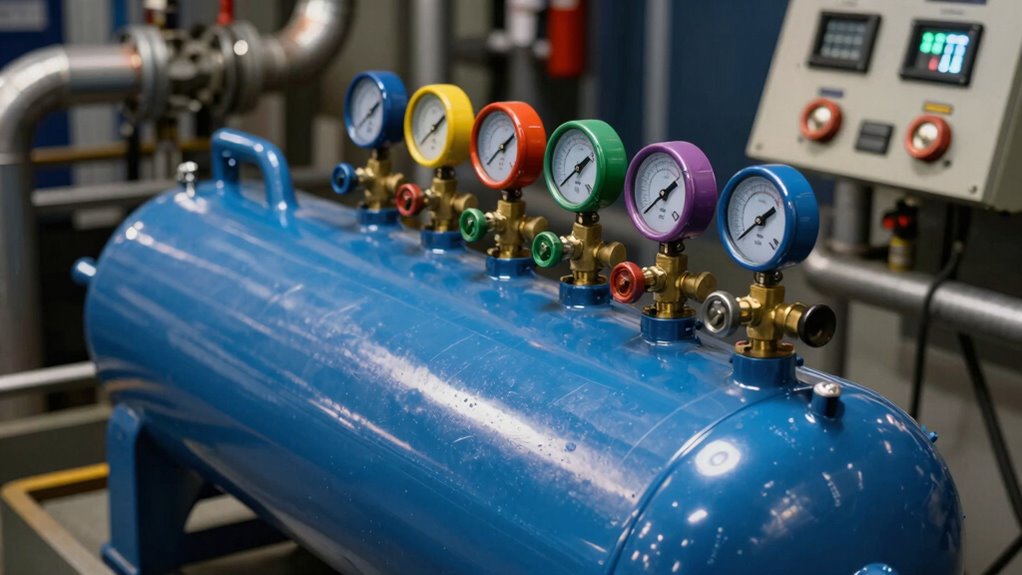
Choosing the right pressure-tank capacity is vital for maximizing your system’s efficiency and longevity. When your tank size aligns well with your household water demands, your pump operates more smoothly, enhancing overall pump efficiency. If the tank is too small, your pump will cycle frequently, turning on and off often, which wears out components faster and wastes energy. Conversely, a tank that’s too large might result in unnecessary space use and higher initial costs without delivering proportional benefits. The key is to select a tank size that matches your typical water usage patterns, reducing unnecessary cycling and guaranteeing the system works at its best. Proper tank sizing helps prevent pressure fluctuations that can lead to inefficient pump operation. Additionally, understanding your cycling strategy can help optimize system performance and extend equipment lifespan. Tank placement also plays a critical role in managing cycling behavior. Installing the tank close to the point of water use minimizes pressure drops and reduces the workload on your pump. Proper placement ensures that water is readily available where you need it, preventing the pump from cycling excessively due to pressure fluctuations caused by distance or elevation changes. When the tank is well-positioned, it maintains consistent pressure, enabling your pump to run longer on each cycle, which is more energy-efficient and gentler on the system. Regular system maintenance and monitoring can further help identify optimal cycling patterns and prevent issues before they arise. Understanding pressure fluctuations can also assist in fine-tuning your system for better performance. Monitoring pressure levels regularly can provide valuable insights into how your system responds under different conditions.

VEVOR 30-Gallon Vertical Well Pressure Tank, Pre-Charged Pressurized Water Tank for Well Pumps, Heavy-Duty Carbon Steel Water Storage Container for Home, School, Farm & Irrigation Systems
Large Capacity: Measuring 16.93 x 16.93 x 31.7 in, VEVOR 30-gallon vertical well pressure tank easily meets whole-house…
As an affiliate, we earn on qualifying purchases.
As an affiliate, we earn on qualifying purchases.
Frequently Asked Questions
How Does Temperature Affect Pressure-Tank Cycling?
Temperature fluctuations impact pressure-tank cycling by causing thermal expansion and contraction of the tank’s materials. When temperatures rise, the tank’s volume expands slightly, increasing pressure and prompting the system to cycle. Conversely, cooler temperatures cause contraction, reducing pressure and triggering more cycles. You need to account for these effects in your cycling strategy, ensuring your tank accommodates thermal expansion without excessive cycling, which can wear the system over time.
Can Tank Size Influence Overall System Efficiency?
Sure, your system’s efficiency hinges on tank size, but only if you pick the right tank material and installation location. Larger tanks, crafted from durable materials, reduce cycling frequency, saving energy. Positioning the tank correctly prevents heat loss or gain, boosting performance. So, don’t just size up; think about where it lives and what it’s made of—those choices can turn your system into a well-oiled efficiency machine or a leaky, sluggish mess.
What Maintenance Is Needed for Different Tank Capacities?
You need to perform regular inspections on your tank, focusing on the tank material and installation location. For example, steel tanks may require corrosion checks, while plastic tanks need to be examined for cracks. Make certain the installation location remains dry and well-ventilated to prevent damage. Regular maintenance, like draining sediment and checking fittings, helps extend your tank’s lifespan and maintains system efficiency, regardless of its capacity.
How Do Different Water Usage Patterns Impact Cycling?
Your water usage patterns directly influence cycling because high water flow and frequent usage cause the pump to turn on more often. If you have irregular or low usage, the pump cycles less, which can strain the system. Conversely, consistent, moderate use allows for smoother cycling. To optimize performance, match your pressure-tank capacity to your water flow and usage frequency, reducing unnecessary pump cycles and extending system longevity.
Are There Safety Concerns With Larger Tanks?
A stitch in time saves nine, and larger tanks do come with safety considerations. When you plan your tank installation, make certain it meets safety regulations to prevent issues like leaks or pressure failures. Bigger tanks require sturdy support and proper pressure controls, so always consult professionals. Ignoring safety concerns can lead to costly repairs or hazards, making it essential to prioritize safety regulations for peace of mind and system longevity.
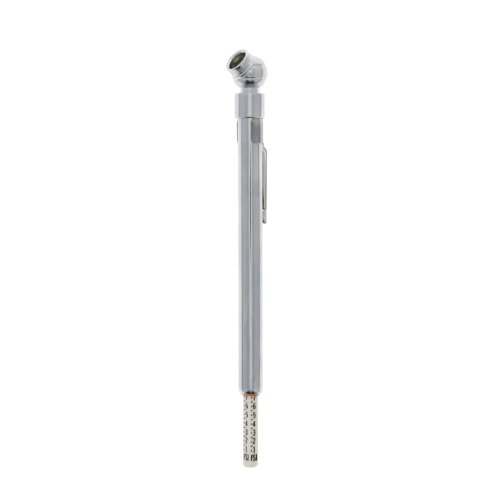
Tier1 Reverse Osmosis Tank Pressure Gauge
Easily checks the air pressure for your reverse osmosis water tank
As an affiliate, we earn on qualifying purchases.
As an affiliate, we earn on qualifying purchases.
Conclusion
Remember, choosing the right pressure-tank capacity isn’t just about size—it’s about your cycling strategy. Don’t assume a bigger tank always means better performance; instead, consider how you plan to ride and maintain your system. With the right approach, you’ll enjoy smoother operation and fewer issues down the line. So, take the time to assess your needs carefully. It’s not just about capacity—it’s about optimizing your entire cycling experience.

Miumoon 1"x 11" Well Pressure Tank Tee Kit with 40-60Psi Pressure Switch
UNSET VALVE – YOU MUST ADJUST TO 75 PSI BEFORE USE:This relief valve ships unset. Turn the adjustment…
As an affiliate, we earn on qualifying purchases.
As an affiliate, we earn on qualifying purchases.
VEVOR 30-Gallon Vertical Well Pressure Tank, Pre-Charged Pressurized Water Tank for Well Pumps, Heavy-Duty Carbon Steel Water Storage Container for Home, School, Farm & Irrigation Systems
Large Capacity: Measuring 16.93 x 16.93 x 31.7 in, VEVOR 30-gallon vertical well pressure tank easily meets whole-house…
As an affiliate, we earn on qualifying purchases.
As an affiliate, we earn on qualifying purchases.