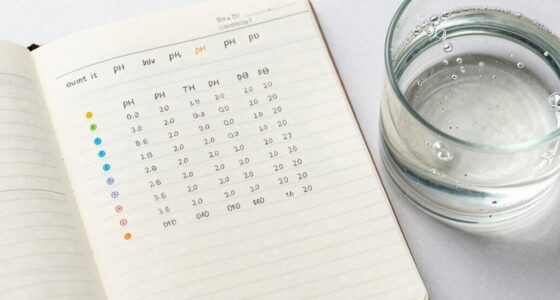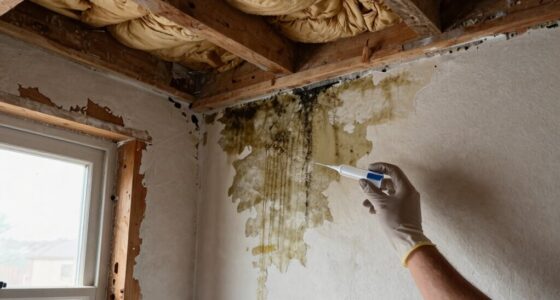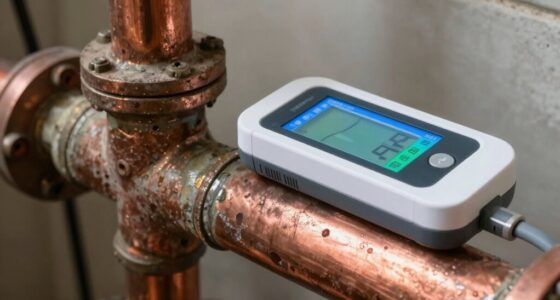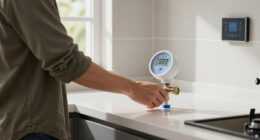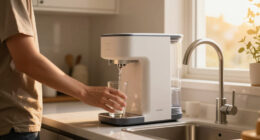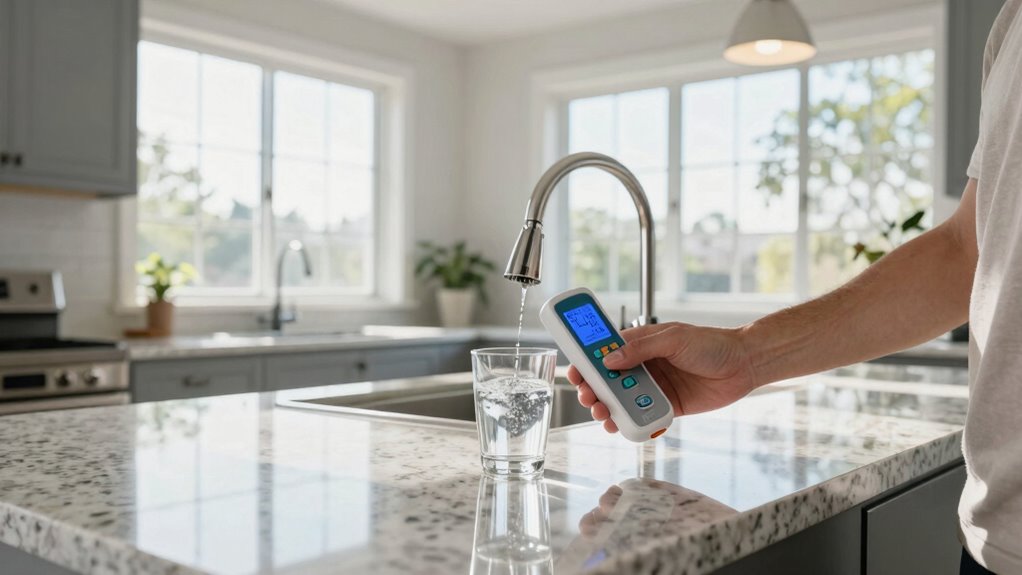

Before buying a home with high TDS levels, you need to test the water to understand its mineral content and potential contaminants. This step helps you determine if additional purification is required. Choosing the right filtration system ensures safe, good-tasting water and protects your health. Proper evaluation now prevents costly issues later. Stay with us to learn how to select the best water treatment options and make a well-informed decision.
Key Takeaways
- Conduct comprehensive water testing to determine TDS levels and identify specific contaminants.
- Consult water quality experts to interpret test results and assess health risks.
- Choose appropriate water purification systems tailored to high TDS levels and contaminants.
- Evaluate ongoing maintenance and costs for filtration systems before purchasing.
- Ensure the water meets safety standards to protect health and avoid future treatment expenses.
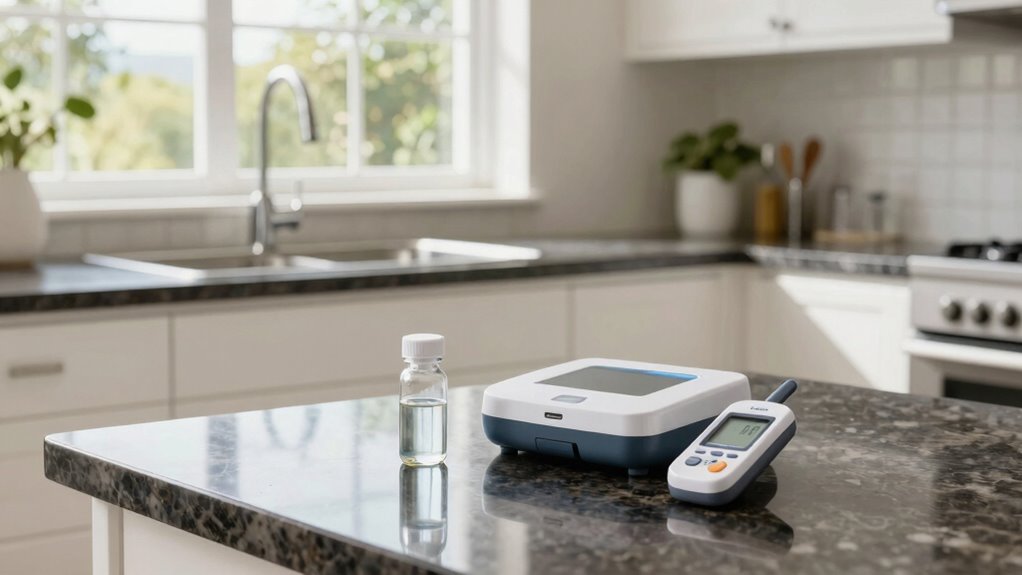
Are you considering buying a home with high Total Dissolved Solids (TDS) levels? If so, there’s one vital step you need to take before making any commitments: evaluating the water quality and understanding how it impacts health considerations. High TDS levels mean the water contains a substantial amount of minerals, salts, or metals dissolved in it. While some minerals are beneficial, excessive amounts can pose health risks and affect your quality of life. Consequently, the first thing you should do is analyze whether the water is suitable for your needs, which involves focusing on water purification options.
Water purification becomes essential when dealing with high-TDS water. Not all contaminants are visible, and high TDS levels can sometimes conceal harmful substances. Installing an appropriate filtration system can considerably reduce dissolved solids, improving water taste, clarity, and safety. Reverse osmosis systems are often recommended because they effectively remove a broad range of dissolved minerals and impurities. Before buying the house, you should test the water to determine the specific composition of the TDS and the type of contaminants present. This way, you can select a water purification system that targets those particular substances, guaranteeing that the water you consume meets safety standards.
Health considerations are closely linked to your water quality. Consuming water with high TDS levels over time can lead to various health issues, such as gastrointestinal problems or mineral imbalances, especially if the dissolved solids include harmful metals like lead or arsenic. Even benign minerals like calcium and magnesium, in high quantities, might cause issues like kidney stones or interfere with medication absorption. That’s why it’s vital to understand what’s in the water you’ll be drinking daily. Consulting with a water quality expert or testing lab helps you identify potential health risks and guides you in choosing the right water purification methods. Additionally, understanding TDS levels can help you make more informed decisions about water treatment options and health safety. Recognizing the impact of minerals in water can further influence your choice of filtration systems and health precautions. Moreover, recognizing the types of contaminants that may be present ensures you select the most effective treatment method. Being aware of these factors and how they relate to water quality can also help you anticipate maintenance needs and potential long-term costs associated with water treatment.
The key is not just to test the water but to take action based on those results. Installing a quality filtration system tailored to the specific TDS profile of your prospective home ensures you’re making a safe choice. It’s also wise to think about ongoing maintenance and the cost of filters, as high-TDS water can clog filters faster and require more frequent replacements. By taking these steps, you safeguard your health and make an informed decision, avoiding future surprises or health complications. Remember, no matter how perfect the location or price may seem, clean, safe water is the foundation of a healthy home. Prioritize water purification and health considerations above all else before sealing the deal on your new house.

iSpring RCC7AK-BN NSF Certified, 75 GPD, Alkaline 6-Stage Reverse Osmosis System, pH+ Remineralization RO Water Filter System Under Sink Patented Top-Mounted Faucet Design for Easy Installation
- Patented Top-Mounted Faucet Design: Easy above-sink installation
- Mineral Boost Stage: Adds essential minerals and balanced pH
- Transparent Filter Housing: Monitor contaminant buildup easily
As an affiliate, we earn on qualifying purchases.
As an affiliate, we earn on qualifying purchases.
Frequently Asked Questions
How Often Should I Test My Home’s TDS Levels?
You should test your home’s TDS levels at least once a month to guarantee your water filtration system is functioning properly. Regular TDS monitoring helps you catch any increases that may indicate filter wear or contamination. If you notice a sudden spike, test more frequently and consider replacing filters or checking for issues. Staying on top of TDS levels keeps your water safe, clean, and tastes great.
Are High TDS Levels Harmful to Household Appliances?
High TDS levels can harm your household appliances by causing mineral buildup, reducing efficiency, and increasing wear. Water filtration helps reduce TDS, protecting your appliances. Regular appliance maintenance, like descaling and cleaning, guarantees longevity and peak performance. When TDS is high, you need to prioritize water filtration and appliance care equally, because neglecting either can lead to costly repairs and decreased appliance lifespan. Stay proactive to keep your home running smoothly.
Can High TDS Affect Water Taste and Odor?
Yes, high TDS levels can affect water taste and odor. Elevated TDS indicates increased mineralization, which often leads to taste alteration, making water seem metallic, salty, or bitter. You might notice a noticeable change in flavor or smell, especially if mineral levels are particularly high. To improve water quality, consider using filtration systems designed to reduce mineral content, ensuring your water tastes better and smells fresher.
What Are the Long-Term Health Effects of High TDS Water?
High TDS water may pose health implications if consumed long-term, especially from sources with high mineral content. While some minerals are beneficial, excessive levels can lead to digestive issues or kidney stress. About 85% of households with untreated high TDS water report discomfort over time. Using effective filtration methods, like reverse osmosis, can reduce TDS and safeguard your health. Regular testing ensures your water remains safe and balanced for long-term drinking.
Is There a Recommended TDS Level for Residential Water?
You should aim for a TDS level between 50 and 150 mg/L for residential water. Regular water filtration and TDS monitoring help maintain safe levels, ensuring better taste and health. If TDS exceeds this range, consider upgrading your filtration system to reduce mineral content and pollutants. Consistent TDS checks allow you to keep your water quality ideal, protecting your long-term health and improving your overall water experience.

Craft911 Water Tester for Drinking Water – TDS Meter
- High-Precision TDS Measurement: Stable, accurate water quality testing
- Versatile Water Testing: Suitable for drinking, filter, and aquarium water
- Clear Backlit LCD Display: Easy reading in low light conditions
As an affiliate, we earn on qualifying purchases.
As an affiliate, we earn on qualifying purchases.
Conclusion
Before making any purchase, remember that high-TDS homes require special attention. A surprising fact is that over 70% of homes with high TDS levels have contaminants that can impact health and appliance lifespan. By testing and addressing TDS issues beforehand, you protect your family’s health and save money in the long run. Don’t skip this essential step—it’s the key to ensuring your new home is safe, clean, and ready for comfortable living.

iSpring Ultimate Protection Whole House Water Filter System, Reduces Heavy Metals, Scale, Chlorine, Chloramine, Hydrogen Sulfide, 3-Stage Filtration, 1" Inlet/Outlet, Model: WGB31B-KDS
- Scale and Corrosion Defense: Reduces calcium, magnesium buildup, and corrosion
- Heavy Metals Filtration: Filters chlorine, chloramine, lead, mercury, hydrogen sulfide
- Chlorine and Odor Removal: Removes chlorine, odors, and tastes for clean water
As an affiliate, we earn on qualifying purchases.
As an affiliate, we earn on qualifying purchases.

Waterdrop TSU 0.01 Micron Ultra Filtration Under Sink Water Filter System
- Easy DIY Installation: Requires countertop drilling, suitable for standard cold-water connections
- No Wastewater or Power: Operates without electricity, maintains stable pressure
- Simple Filter Replacement: Easy to find and install replacement filters
As an affiliate, we earn on qualifying purchases.
As an affiliate, we earn on qualifying purchases.